Minimalist Living in Small Apartments: Making the Most of Limited Space Through Smart Design
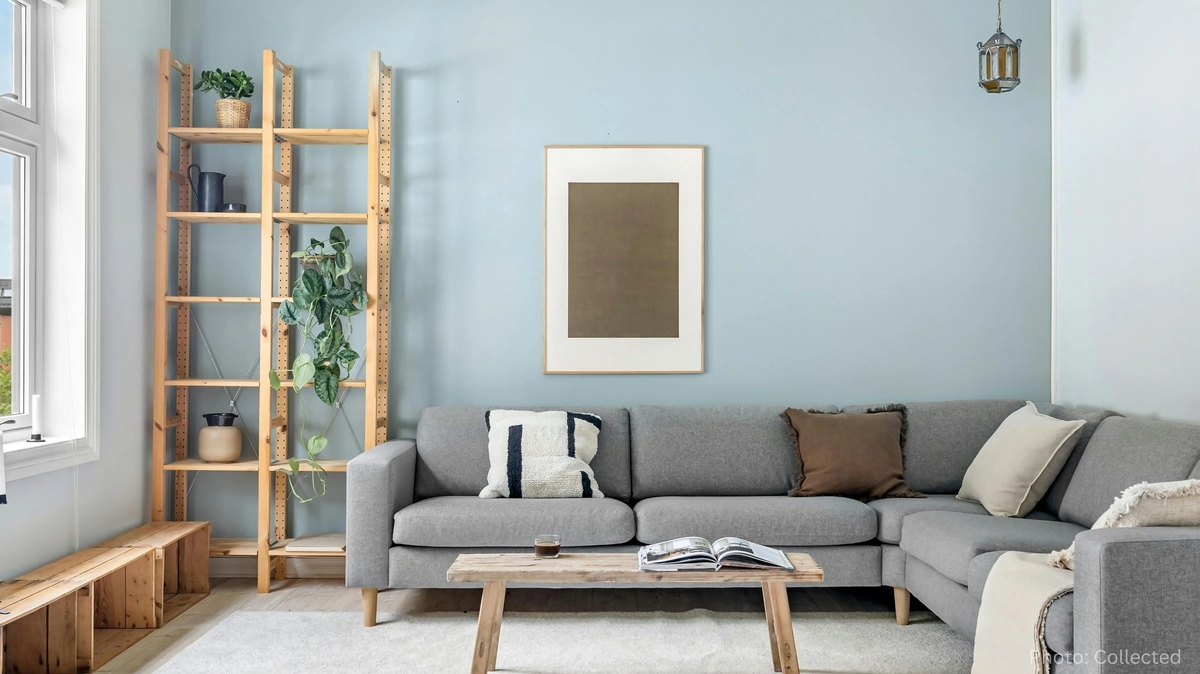
As urban housing becomes more compact, minimalist living is emerging as a practical lifestyle choice for apartment residents. By reducing clutter, prioritizing functionality, and making thoughtful design decisions, many people are creating comfortable and efficient homes without sacrificing quality of life.
Rising urban populations and shrinking residential spaces are encouraging more people to embrace minimalist living. Once viewed primarily as a design trend, minimalism has evolved into a practical approach that helps apartment dwellers maximize space, reduce unnecessary expenses, and create more organized living environments.
The philosophy behind minimalist living focuses on keeping only items that serve a clear purpose or provide lasting value. Rather than filling homes with excess furniture and decorations, residents are choosing quality over quantity, creating interiors that feel more open, functional, and easier to maintain.
Small apartments present unique challenges, but interior design specialists say careful planning can significantly improve both comfort and efficiency. Multifunctional furniture has become one of the defining features of modern minimalist homes. Beds with built-in storage, foldable dining tables, sofa beds, and modular shelving systems allow residents to make better use of every square metre without overcrowding their living spaces.
Storage solutions are another essential element of minimalist design. Utilizing vertical space through wall-mounted shelves, overhead cabinets, and hanging organizers helps reduce clutter while keeping frequently used items within easy reach. Hidden storage compartments beneath beds, benches, and staircases are also becoming increasingly popular in compact homes.
Natural lighting plays a key role in making smaller apartments appear larger. Large windows, light-colored walls, mirrors, and simple window coverings can enhance brightness and create the illusion of additional space. Designers often recommend neutral color palettes combined with subtle decorative accents to maintain a clean and spacious appearance.
Organization experts suggest regularly reviewing household belongings to identify items that are no longer needed. Donating, recycling, or selling unused possessions not only frees up valuable space but also encourages more intentional purchasing habits. Many minimalist advocates recommend adopting a "one in, one out" approach, where bringing a new item into the home is balanced by removing an old one.
Minimalism can also offer financial advantages. By reducing impulse purchases and focusing on essential items, households may lower monthly expenses while investing in products that offer greater durability and long-term value. This shift toward mindful consumption has gained momentum as consumers become increasingly conscious of both personal finances and environmental sustainability.
Technology is also supporting minimalist lifestyles. Digital storage has replaced many physical books, documents, and media collections, reducing the need for bulky cabinets and shelving. Smart home devices that combine multiple functions into a single system can further simplify daily living while minimizing equipment and cable clutter.
Mental well-being is another factor driving interest in minimalist homes. Researchers and psychologists have noted that organized living spaces may contribute to reduced stress, improved concentration, and greater overall satisfaction. While minimalism does not guarantee happiness, many people report feeling more relaxed and productive in environments free from excessive clutter.
Experts emphasize that minimalist living does not require owning as little as possible. Instead, it encourages individuals to create homes that reflect their personal needs, lifestyles, and priorities. Decorative items, artwork, family photographs, and sentimental possessions can still have a meaningful place as long as they contribute positively to the living environment.
As cities continue to grow and residential spaces become increasingly compact, minimalist living is proving to be more than a passing trend. Through thoughtful organization, efficient design, and intentional consumption, many urban residents are discovering that comfortable, functional, and stylish homes can be achieved even within limited square footage.
Related News





You may like




Tom Holland Says Marvel Has a Plan for the Next Spider-Man
August 1, 2026
Elected News
-
Bangladesh Seeks UN Women Support on Digital Harassment and Women’s Empowerment
-
Bangladesh, Australia Discuss Human Trafficking, Irregular Migration and Rohingya Crisis
-
Bangladesh Plans Internet-Free Access to Mobile Banking and Financial Apps
-
DU to Open Undergraduate Admission Applications on 11 November, Tests Begin 5 December


