Mindfulness and Meditation Basics: Simple Daily Practices for Better Mental Well-Being
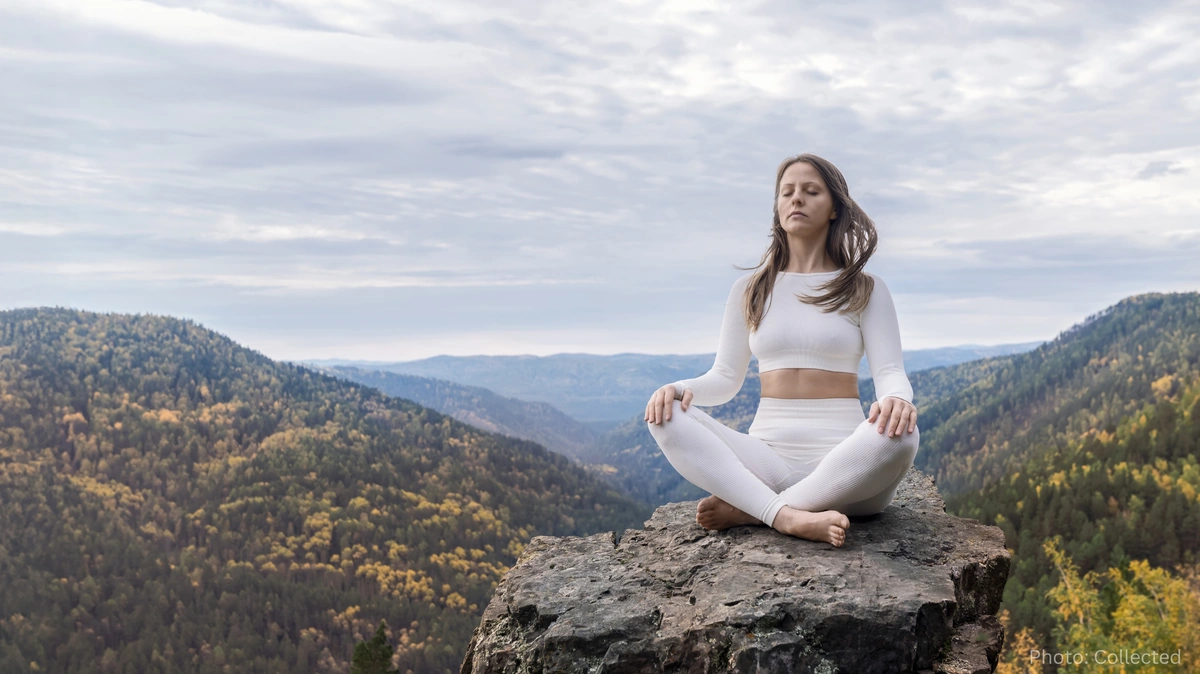
As modern lifestyles become increasingly fast-paced, mindfulness and meditation are gaining recognition as accessible tools for improving focus, reducing stress, and supporting overall mental health. Experts say even a few minutes of daily practice can make a meaningful difference over time.
Mindfulness and meditation have become increasingly popular among people seeking practical ways to manage stress and improve emotional well-being. Once associated primarily with spiritual traditions, these practices are now widely incorporated into healthcare, education, and workplace wellness programs around the world.
Mindfulness refers to the practice of paying full attention to the present moment without becoming overwhelmed by thoughts about the past or future. It encourages individuals to observe their thoughts, emotions, and surroundings with awareness rather than reacting automatically. Meditation, meanwhile, is a structured exercise that helps develop this awareness through focused attention, breathing techniques, or guided reflection.
Health professionals say regular mindfulness practice may help reduce stress, improve concentration, and support emotional resilience. While it is not a replacement for professional medical or psychological treatment, research suggests it can complement healthy lifestyle habits and contribute to overall mental wellness.
One of the simplest meditation techniques for beginners is mindful breathing. Practitioners sit comfortably, close their eyes if they wish, and focus on slow, natural breaths. When distracting thoughts arise a normal part of the process they gently return their attention to their breathing without self-criticism. Experts emphasize that meditation is not about eliminating thoughts but about learning to observe them without becoming distracted.
Body scan meditation is another commonly recommended method. During this practice, individuals gradually focus their attention on different parts of the body, noticing areas of tension or discomfort without attempting to change them immediately. The technique encourages relaxation and greater awareness of physical sensations that often go unnoticed during busy daily routines.
Mindfulness can also be incorporated into ordinary activities. Walking, eating, cooking, or even washing dishes can become mindful exercises when performed with full attention rather than while multitasking. Specialists say these simple habits help individuals become more present and reduce feelings of mental overload.
Consistency is considered more important than duration. Beginners are often encouraged to start with five to ten minutes of daily practice before gradually extending sessions if they feel comfortable. Establishing a regular routine such as meditating each morning or before bedtime can make the habit easier to maintain over time.
Technology has also made mindfulness more accessible. Guided meditation recordings, relaxation music, breathing timers, and wellness applications provide structured sessions suitable for beginners and experienced practitioners alike. Many workplaces and educational institutions have also introduced mindfulness sessions as part of employee and student wellness initiatives.
Mental health professionals note that mindfulness may offer benefits including improved emotional regulation, better sleep quality, reduced anxiety symptoms, and enhanced focus. However, results vary between individuals, and those experiencing severe anxiety, depression, trauma, or other mental health conditions are encouraged to seek guidance from qualified healthcare professionals rather than relying solely on self-guided meditation.
Creating a comfortable environment can also enhance the experience. A quiet space with minimal distractions, comfortable seating, and a relaxed posture allows individuals to focus more easily. While silence is preferred by some, others find gentle instrumental music or nature sounds helpful during practice.
As awareness of mental health continues to grow, mindfulness and meditation are becoming increasingly integrated into everyday life. Experts say these practices do not require expensive equipment or extensive training, making them accessible to people of all ages and backgrounds. With regular practice and realistic expectations, mindfulness can become a valuable habit that supports greater focus, emotional balance, and overall well-being in an increasingly demanding world.
Related News





You may like




Tom Holland Says Marvel Has a Plan for the Next Spider-Man
August 1, 2026
Elected News
-
Bangladesh Seeks UN Women Support on Digital Harassment and Women’s Empowerment
-
Bangladesh, Australia Discuss Human Trafficking, Irregular Migration and Rohingya Crisis
-
Bangladesh Plans Internet-Free Access to Mobile Banking and Financial Apps
-
DU to Open Undergraduate Admission Applications on 11 November, Tests Begin 5 December


