Home Gardening in Urban Spaces: How City Residents Are Turning Small Areas into Green Havens
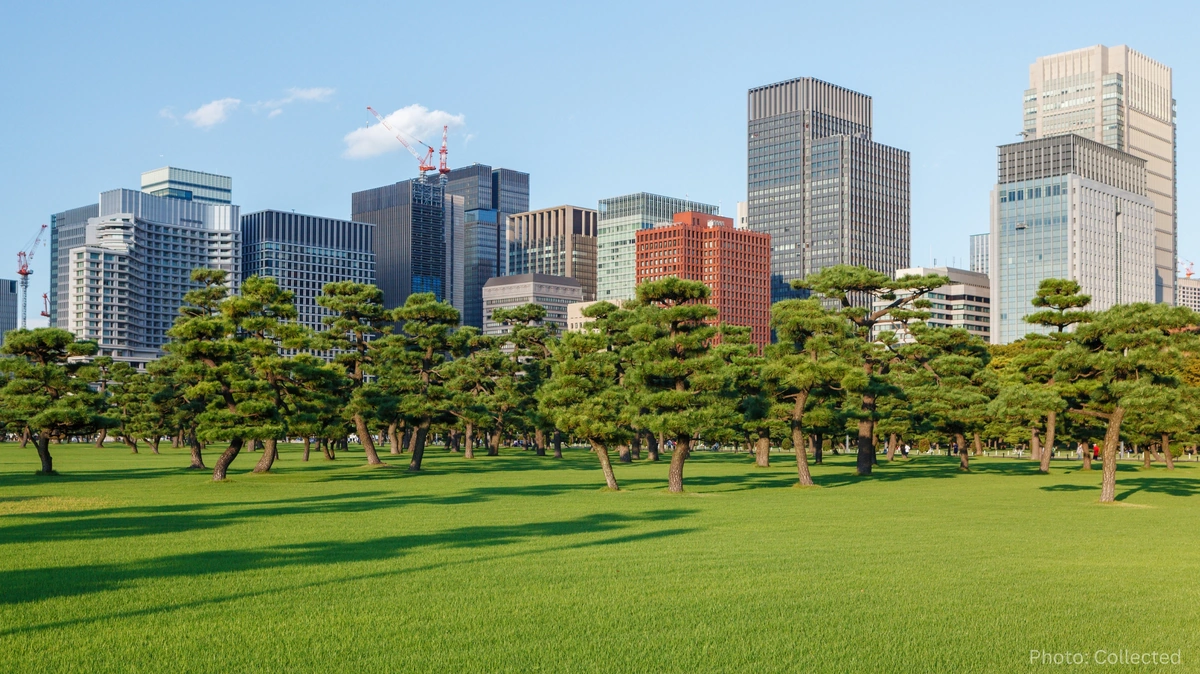
As urban living becomes increasingly compact, home gardening is gaining popularity among apartment dwellers and homeowners alike. From balconies and rooftops to windowsills, city residents are discovering practical ways to grow fresh produce, improve well-being, and create greener living environments.
Limited space is no longer preventing people from growing their own plants. Across cities around the world, home gardening has emerged as a growing lifestyle trend, with residents transforming balconies, rooftops, terraces, and even small indoor corners into productive green spaces. The movement is driven by a combination of environmental awareness, rising food costs, and a growing interest in healthier living.
Urban gardening offers numerous benefits beyond aesthetics. Gardening experts say cultivating herbs, vegetables, fruits, and ornamental plants at home can improve air quality, reduce stress, and provide access to fresh, pesticide-controlled produce. Even a small collection of potted plants can contribute to a more relaxing home environment while encouraging sustainable living practices.
Balcony gardens remain among the most popular choices for apartment residents. Containers, hanging baskets, and vertical shelving systems allow gardeners to maximize limited space while growing tomatoes, chili peppers, lettuce, spinach, mint, basil, coriander, and other herbs. Many modern planters are specifically designed to fit compact urban homes without occupying significant floor space.
Rooftop gardening has also gained momentum in densely populated cities where open land is scarce. Properly designed rooftop gardens can support vegetables, flowering plants, and small fruit trees while helping reduce building temperatures and improving insulation. Urban planners note that rooftop greenery can also contribute to reducing the urban heat island effect and managing rainwater more effectively.
Indoor gardening has become another practical option for people without access to outdoor areas. Windowsills with adequate sunlight are suitable for growing herbs and small leafy vegetables, while LED grow lights have made indoor cultivation possible in apartments with limited natural light. Decorative houseplants also remain popular for improving indoor aesthetics and creating a healthier atmosphere.
Selecting the right plants is considered one of the most important steps for beginners. Experts recommend choosing species that match available sunlight, climate, and maintenance capacity. Hardy herbs, leafy greens, aloe vera, succulents, snake plants, and pothos are often recommended for those starting their first home garden because they require relatively simple care.
Proper soil preparation and watering routines play a vital role in plant health. Gardeners are encouraged to use quality potting mixes with adequate drainage and to avoid overwatering, which remains one of the most common causes of plant damage. Organic compost made from kitchen waste can also enrich soil while reducing household waste and supporting environmentally friendly gardening practices.
Technology has further expanded access to urban gardening. Mobile applications now help users identify plants, monitor watering schedules, diagnose common plant diseases, and provide seasonal care recommendations. Online communities have also become valuable platforms where gardening enthusiasts exchange advice, seeds, and practical growing techniques.
Health specialists highlight that gardening offers physical and psychological benefits as well. Caring for plants encourages light physical activity, reduces stress, and promotes mindfulness through regular interaction with nature. Studies have also linked gardening with improved mood, increased life satisfaction, and reduced symptoms of anxiety for many participants.
Environmental advocates believe urban gardening can contribute to broader sustainability goals by encouraging local food production, supporting pollinators such as bees and butterflies, and increasing green coverage within densely populated neighborhoods. Although home gardens cannot replace commercial agriculture, they can complement local food systems while fostering greater environmental awareness.
As cities continue to expand and living spaces become more compact, home gardening is increasingly viewed as a practical lifestyle choice rather than simply a hobby. With careful planning, suitable plant selection, and consistent maintenance, even the smallest urban spaces can be transformed into productive gardens that benefit both households and the environment.
Related News





You may like




Tom Holland Says Marvel Has a Plan for the Next Spider-Man
August 1, 2026
Elected News
-
Bangladesh Seeks UN Women Support on Digital Harassment and Women’s Empowerment
-
Bangladesh, Australia Discuss Human Trafficking, Irregular Migration and Rohingya Crisis
-
Bangladesh Plans Internet-Free Access to Mobile Banking and Financial Apps
-
DU to Open Undergraduate Admission Applications on 11 November, Tests Begin 5 December


