Bangladesh Grants Major Tax Relief to Boost Semiconductor Industry Until 2031
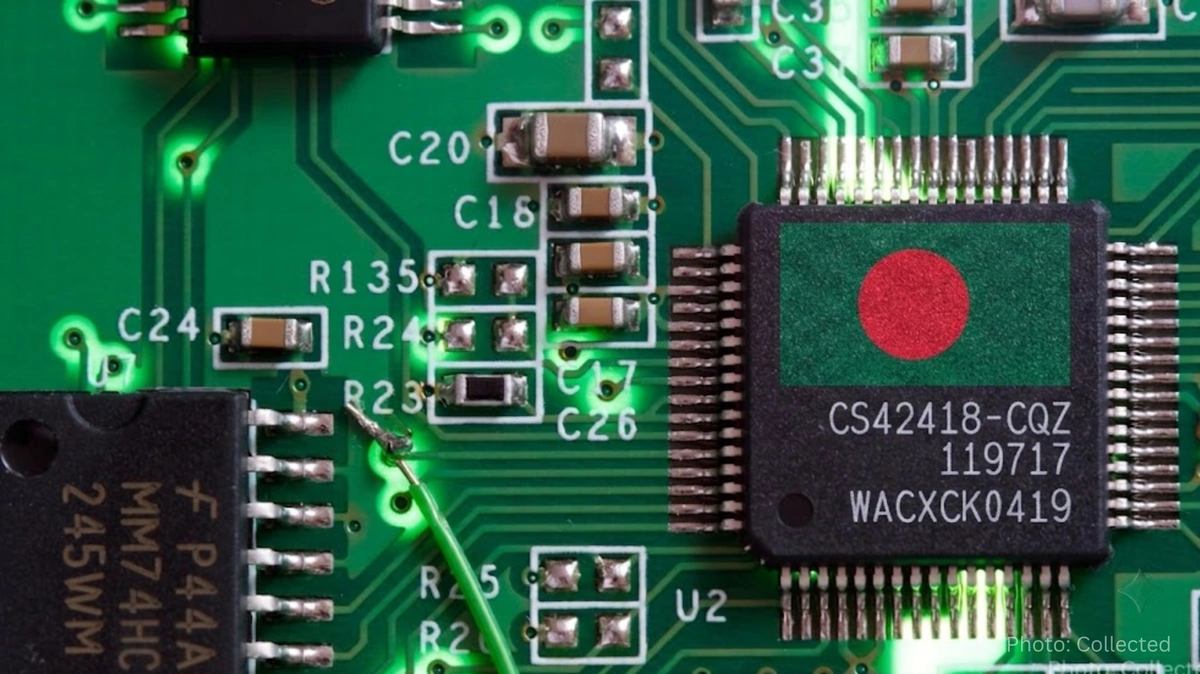
Government introduces sweeping tax incentives on semiconductor imports, aiming to strengthen Bangladesh's role in the global chip supply chain through design, testing and assembly while targeting rapid industry growth by 2030.
Bangladesh has introduced a comprehensive package of tax incentives for its semiconductor sector, exempting nearly all duties and taxes on key imports except the standard import duty as part of a broader strategy to position the country as an emerging player in the global chip industry.
Under the new policy, the government has waived regulatory duty, supplementary duty, value-added tax (VAT) and advance tax on raw materials imported for semiconductor design, testing and assembly. The incentives will remain in effect until 30 June 2031, while the existing 1 percent import duty will continue to apply.
The decision forms part of Bangladesh's efforts to attract investment, expand international partnerships and strengthen its competitiveness in the rapidly growing global semiconductor market.
Officials believe the tax relief will lower production costs for local companies, encourage foreign investment and support the development of a technology-driven manufacturing ecosystem. The incentives are expected to benefit businesses involved in chip design, semiconductor testing and electronic assembly by making essential raw materials more affordable.
Rather than pursuing advanced semiconductor fabrication, which requires massive capital investment and highly sophisticated manufacturing facilities, Bangladesh is currently prioritising the design, testing and assembly segments of the semiconductor value chain. Industry experts say these areas offer significant opportunities for skilled employment and export earnings while requiring comparatively lower investment.
The government's latest move aligns with broader national ambitions to develop high-value technology industries and diversify Bangladesh's export base beyond traditional manufacturing sectors.
According to industry estimates, Bangladesh's semiconductor sector currently employs around 1,200 engineers, generating annual revenues of between $12 million and $15 million. Although still relatively small, the industry has shown steady growth in recent years as local firms increasingly participate in global chip design and engineering projects.
The Bangladesh Semiconductor Industry Association has outlined ambitious targets for the coming years. The organisation aims to produce 10,000 skilled semiconductor professionals by 2030 while increasing annual industry revenue to more than $1 billion.
Achieving those goals will require sustained investment in technical education, workforce development, research and collaboration with international technology companies. Industry leaders believe that a combination of government support, favourable tax policies and strategic partnerships could significantly accelerate the sector's expansion.
The association has also stressed the importance of building a skilled engineering workforce capable of meeting international industry standards. Developing local expertise in chip design, verification, testing and packaging is expected to be central to Bangladesh's long-term semiconductor strategy.
Global demand for semiconductors continues to grow as industries such as artificial intelligence, telecommunications, automotive manufacturing, consumer electronics and data centres increasingly rely on advanced chips. This rising demand has encouraged many countries to strengthen domestic semiconductor capabilities and diversify global supply chains.
By introducing long-term fiscal incentives, Bangladesh hopes to attract multinational companies seeking cost-effective engineering services while creating new opportunities for domestic technology firms.
The tax exemptions are also expected to improve the competitiveness of local semiconductor businesses by reducing operational expenses and encouraging further investment in research, innovation and technical infrastructure.
Government officials view the initiative as an important step toward transforming Bangladesh into a regional technology hub, with semiconductor design and engineering playing an increasingly important role in the country's digital economy.
Industry stakeholders say continued policy support, infrastructure development and international collaboration will be essential if Bangladesh is to achieve its vision of becoming a recognised destination for semiconductor design, testing and assembly services over the next decade.
Related News





You may like




Tom Holland Says Marvel Has a Plan for the Next Spider-Man
August 1, 2026
Elected News
-
Bangladesh Seeks UN Women Support on Digital Harassment and Women’s Empowerment
-
Bangladesh, Australia Discuss Human Trafficking, Irregular Migration and Rohingya Crisis
-
Bangladesh Plans Internet-Free Access to Mobile Banking and Financial Apps
-
DU to Open Undergraduate Admission Applications on 11 November, Tests Begin 5 December


