Gold and Savings Investment Options: Safe-Haven Strategies for Protecting Wealth in Uncertain Times

As economic uncertainty and inflation concerns persist, individuals are increasingly exploring gold, savings instruments, and low-risk investment options to preserve wealth and ensure financial stability over the long term.
Gold and savings-based investment options continue to attract strong interest from individuals seeking financial security amid uncertain economic conditions, fluctuating inflation rates, and changing global markets. For many investors, particularly those with low to moderate risk tolerance, these traditional instruments remain a cornerstone of personal financial planning.
Gold has long been regarded as a “safe-haven” asset, valued for its ability to retain worth during periods of economic instability. Unlike paper currencies, which can lose value due to inflation or currency depreciation, gold is widely perceived as a store of value. This perception often leads to increased demand during financial crises, geopolitical tensions, or periods of stock market volatility.
Investors typically access gold through several channels, including physical gold such as jewelry, coins, and bars, as well as financial instruments like gold exchange-traded funds (ETFs), gold savings accounts, and digital gold platforms. Each option carries different levels of risk, liquidity, and storage considerations. Physical gold, while culturally significant and widely preferred in many regions, may involve additional costs such as making charges, storage risks, and resale discounts. In contrast, digital and paper-based gold investments offer greater convenience and ease of trading.
Savings instruments also play a critical role in conservative investment strategies. Traditional savings accounts remain one of the most accessible options, offering liquidity and capital safety, although returns are generally modest. Fixed deposits and term deposits provide higher interest rates in exchange for locking funds for a specific period, making them suitable for individuals seeking predictable income with minimal risk.
Government savings schemes are another important component of secure investment portfolios in many countries. These instruments are typically designed to encourage long-term savings while offering guaranteed or relatively stable returns. They are often considered particularly attractive to retirees, low-risk investors, and households prioritizing capital preservation over aggressive growth.
Experts emphasize that while these investment options are relatively safe, they should be chosen based on individual financial goals, time horizons, and liquidity needs. For example, individuals saving for short-term expenses may prefer liquid savings accounts, while those planning for long-term goals such as retirement or education funding may benefit more from fixed deposits or gold-based investments.
Diversification is widely recommended as a key strategy in managing financial risk. Instead of relying solely on a single asset class, investors are encouraged to spread their savings across multiple instruments, including gold, bank deposits, and potentially other low-risk financial products. This approach helps reduce exposure to market volatility and improves overall portfolio stability.
Inflation remains one of the primary factors influencing investment decisions. When the cost of living rises, the purchasing power of money declines, prompting individuals to seek assets that can better preserve value. Gold often performs well during inflationary periods, although it does not generate regular income like interest-bearing savings instruments. This trade-off highlights the importance of balancing growth and stability in financial planning.
Liquidity is another key consideration. While savings accounts provide immediate access to funds, some fixed deposits and long-term instruments may impose penalties for early withdrawal. Gold, particularly physical gold, can also take time to convert into cash depending on market conditions and availability of buyers. Investors are therefore advised to maintain a portion of their wealth in easily accessible assets to handle emergencies.
Digital transformation is reshaping the investment landscape, making gold and savings products more accessible to a broader population. Mobile banking services, fintech platforms, and online investment tools now allow users to purchase digital gold, open savings accounts, and manage deposits without visiting traditional financial institutions. This increased accessibility has encouraged greater participation, especially among younger investors.
Financial advisors stress the importance of understanding risks even in traditionally “safe” investments. While gold is generally stable over the long term, its price can fluctuate significantly in the short term. Similarly, savings instruments are subject to interest rate changes, inflation pressures, and policy adjustments by financial authorities.
Despite these considerations, gold and savings products continue to serve as foundational elements of wealth preservation strategies worldwide. They offer stability in times of uncertainty and provide individuals with tools to protect their financial well-being.
As global economies continue to evolve, the demand for secure and reliable investment options is expected to remain strong. For many households, the combination of gold and structured savings instruments represents not just financial planning, but a broader strategy for safeguarding future security and maintaining peace of mind in an unpredictable economic environment.
Related News





You may like




Tom Holland Says Marvel Has a Plan for the Next Spider-Man
August 1, 2026
Elected News
-

Bangladesh Seeks UN Women Support on Digital Harassment and Women’s Empowerment
-

Bangladesh, Australia Discuss Human Trafficking, Irregular Migration and Rohingya Crisis
-
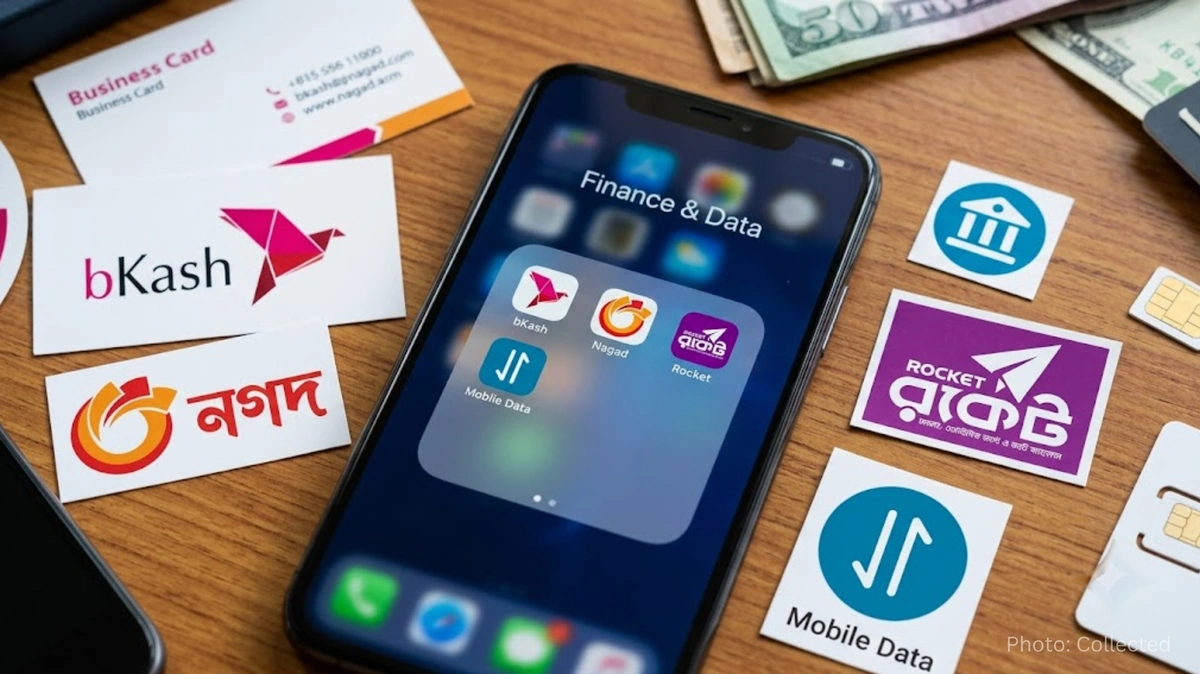
Bangladesh Plans Internet-Free Access to Mobile Banking and Financial Apps
-

DU to Open Undergraduate Admission Applications on 11 November, Tests Begin 5 December


