Inflation and Household Budgets: Rising Prices Reshape Family Spending and Financial Stability
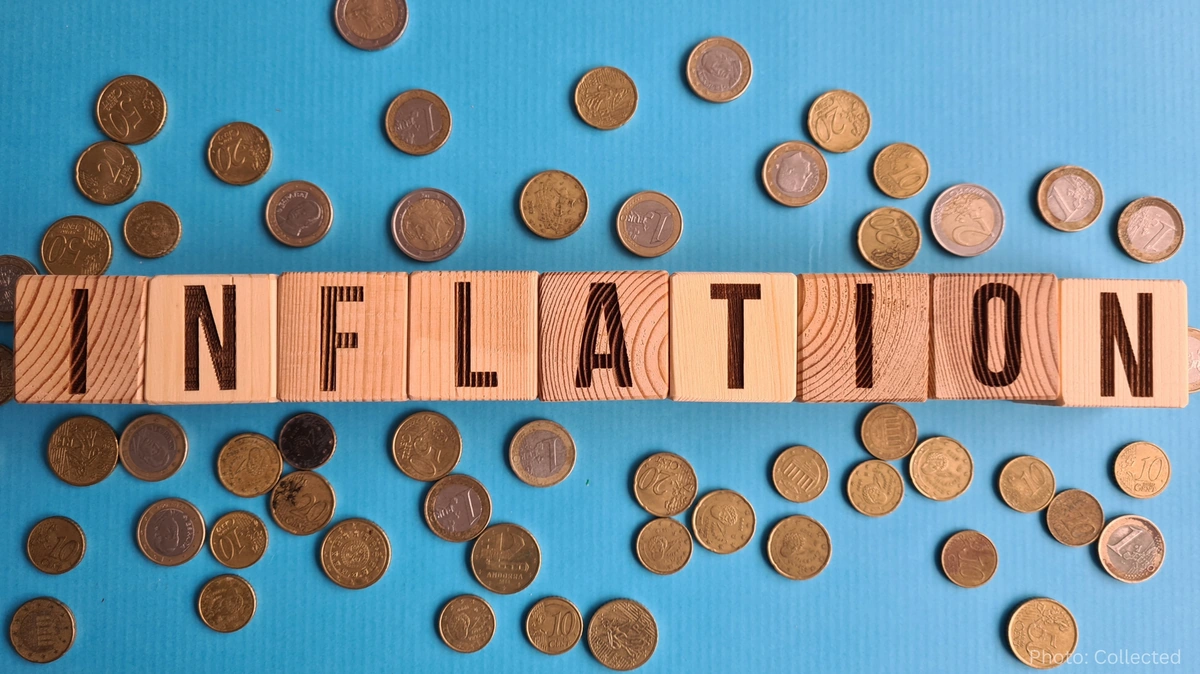
Persistent inflation continues to erode purchasing power, forcing households to adjust spending priorities, reduce savings, and rethink financial planning as the cost of essentials such as food, housing, and transport steadily increases.
Inflation has become one of the most significant economic pressures affecting households across many countries, as rising prices steadily reduce purchasing power and reshape the way families manage their monthly budgets. From grocery bills and utility costs to rent and transportation expenses, the cumulative impact of inflation is increasingly visible in everyday financial decisions.
For many households, the effects of inflation are not abstract economic indicators but tangible changes in lifestyle. Families report spending more on essential goods while receiving the same or even reduced income in real terms. This imbalance forces many to prioritize necessities, cut discretionary spending, and delay long-term financial goals such as saving for education, home ownership, or retirement.
Food prices are often the most immediate and noticeable area of concern. Staple items such as rice, wheat, cooking oil, vegetables, meat, and dairy products frequently experience price fluctuations influenced by global supply chains, energy costs, agricultural output, and local market conditions. Even small increases in daily food expenses can accumulate into significant monthly budget pressures for large families.
Housing costs represent another major component of household expenditure. In urban areas especially, rising rent levels and increasing property-related expenses have placed additional strain on tenants and homeowners alike. Utility bills, maintenance costs, and associated housing services further contribute to the overall financial burden.
Transportation expenses have also risen in many regions due to higher fuel prices, public transport fare adjustments, and increased demand for mobility services. For working individuals who commute daily, these costs can significantly reduce disposable income, leaving less room for savings or non-essential spending.
Inflation also affects healthcare and education expenses, which are critical components of long-term household planning. Rising medical costs, including consultation fees, diagnostic services, and medication prices, can make healthcare less accessible for some families. Similarly, increasing education-related expenses such as tuition fees, books, and transportation place additional pressure on parents managing tight budgets.
Economists explain that inflation is driven by a combination of demand and supply factors, including global commodity price changes, currency fluctuations, energy costs, and disruptions in production or distribution networks. While moderate inflation is a normal part of economic growth, sustained or high inflation can weaken consumer confidence and slow down economic stability.
One of the most concerning effects of inflation is the gradual erosion of savings. As the cost of living rises, households often find it more difficult to set aside money for emergencies or future investments. This reduction in financial resilience can leave families more vulnerable to unexpected shocks such as job loss, medical emergencies, or economic downturns.
In response, many households are adopting more disciplined budgeting practices. Families are tracking daily expenses more closely, switching to lower-cost alternatives, reducing non-essential purchases, and seeking additional sources of income. Some are also turning to community support systems or informal financial arrangements to manage short-term challenges.
Governments and financial institutions often respond to inflation through monetary policy adjustments, subsidies, and social protection programs aimed at supporting vulnerable populations. These measures may include price controls on essential goods, cash assistance programs, and initiatives to stabilize currency and supply chains. However, the effectiveness of such interventions often depends on broader economic conditions.
Small businesses are also affected by inflationary pressures. Rising costs of raw materials, transportation, and labor can force businesses to increase prices, which in turn contributes to further inflation. This cycle can make it difficult for both consumers and producers to maintain financial stability.
Despite these challenges, some economists note that inflation can also encourage financial awareness and efficiency. Households become more conscious of spending habits, prioritize essential needs, and seek better financial planning strategies. However, this adaptation often comes at the cost of reduced comfort and increased financial stress.
Long-term solutions to inflation-related challenges typically involve improving productivity, strengthening supply chains, investing in infrastructure, and ensuring stable economic policies. Diversifying income sources and promoting job creation are also seen as essential strategies for improving household resilience.
As inflation continues to influence global and local economies, its impact on household budgets remains a central concern for policymakers and citizens alike. For families managing rising expenses, the challenge is not only to adapt to current conditions but also to build financial strategies that ensure stability in an uncertain economic environment.
Ultimately, inflation is more than an economic statistic it is a daily reality that shapes how people live, spend, save, and plan for the future. Understanding its effects is essential for making informed financial decisions and maintaining household stability in a rapidly changing world.
Related News





You may like




Tom Holland Says Marvel Has a Plan for the Next Spider-Man
August 1, 2026
Elected News
-

Bangladesh Seeks UN Women Support on Digital Harassment and Women’s Empowerment
-

Bangladesh, Australia Discuss Human Trafficking, Irregular Migration and Rohingya Crisis
-
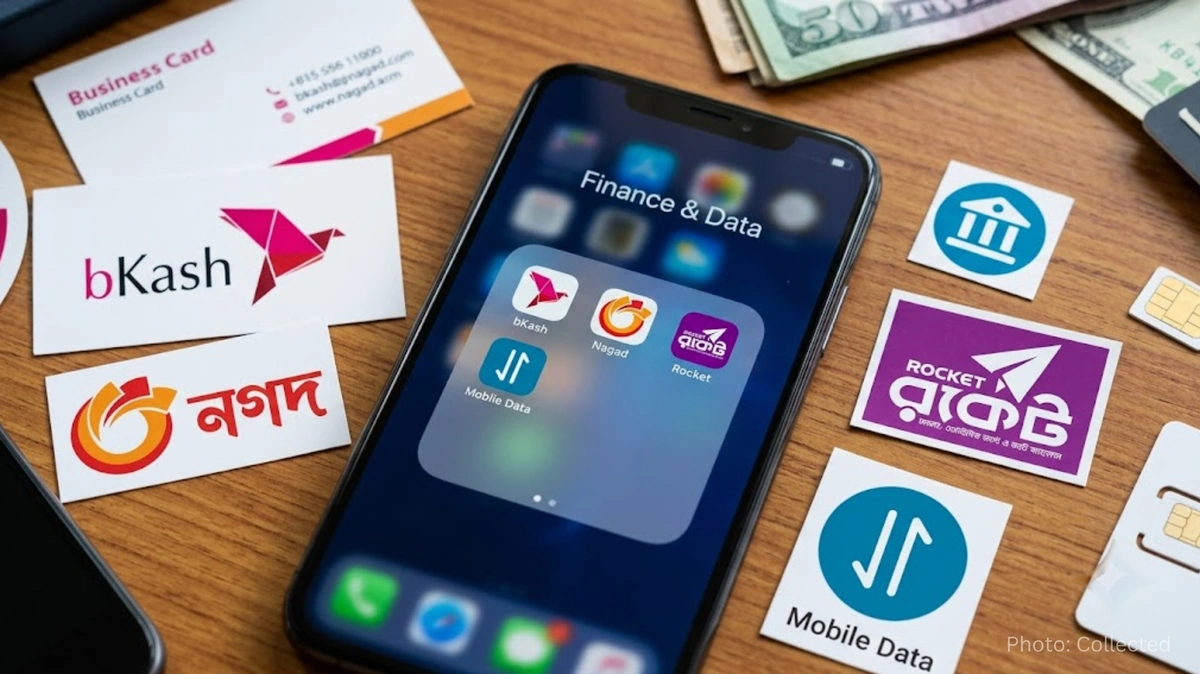
Bangladesh Plans Internet-Free Access to Mobile Banking and Financial Apps
-

DU to Open Undergraduate Admission Applications on 11 November, Tests Begin 5 December


