Public vs Private University Comparison: Key Differences in Admission, Cost, Quality and Career Outcomes
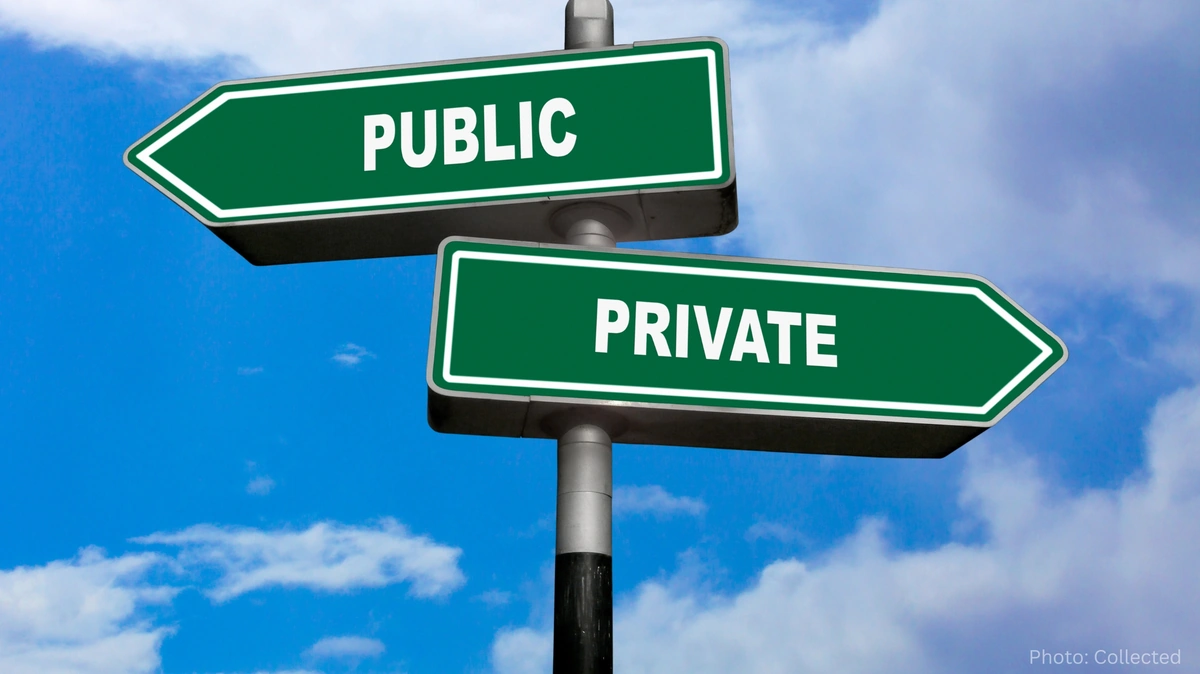
The debate between public and private universities continues in Bangladesh and many other countries, with differences in admission competitiveness, tuition fees, academic resources, and career opportunities shaping student choices.
The comparison between public and private universities remains one of the most important educational discussions for students and parents, especially in countries like Bangladesh where both systems play a significant role in higher education. Each type of institution offers distinct advantages and challenges, influencing academic experience, financial burden, and long-term career prospects.
Public universities, such as those under the state education system, are generally known for their affordability and academic reputation. Tuition fees are relatively low, making them accessible to students from diverse economic backgrounds. However, admission to public universities is highly competitive, with thousands of students competing for limited seats each year through rigorous entrance examinations.
In contrast, private universities typically offer more flexible admission processes. Most private institutions evaluate students based on their SSC and HSC results, along with interviews or placement tests in some cases. This accessibility makes private universities an attractive option for students who may not secure admission in public institutions.
One of the key differences lies in cost. Public universities are heavily subsidised by the government, resulting in lower tuition fees. Private universities, however, rely on tuition and other fees for funding, making them significantly more expensive. This cost difference often plays a major role in student decision-making.
Academic environment also varies between the two systems. Public universities often have larger student populations and more traditional teaching methods. They are also known for strong academic culture and research output in many cases. Private universities, on the other hand, tend to offer smaller class sizes, modern facilities, and more structured academic schedules.
In terms of faculty and resources, both systems have strengths and weaknesses. Public universities often attract experienced academics and researchers, while private universities frequently recruit industry professionals and focus on practical, skill-based education. However, the quality can vary significantly depending on the institution.
Extracurricular opportunities are available in both types of universities, but private institutions often provide more organised clubs, career support services, and internship placement programs. Public universities, meanwhile, offer a more diverse and independent student environment with strong cultural and political engagement.
Career outcomes depend largely on individual performance, skills, and field of study rather than university type alone. Graduates from both public and private universities have opportunities in government jobs, private sector employment, and international careers. However, networking opportunities and industry exposure may differ between institutions.
Another important factor is infrastructure. Private universities generally have more modern campuses, updated technology, and better classroom facilities. Public universities, while often historically prestigious, may face challenges related to overcrowding and resource limitations.
Despite these differences, experts emphasize that neither system is universally superior. The best choice depends on a student’s academic goals, financial situation, and personal preferences. Some students prioritize affordability and academic tradition, while others value convenience, flexibility, and modern learning environments.
In recent years, efforts have been made to improve both public and private higher education systems. Government reforms, accreditation standards, and quality assurance measures aim to ensure consistent educational standards across institutions.
In conclusion, the public vs private university debate highlights the diversity of higher education options available to students. Both systems contribute significantly to national development, and success ultimately depends on the student’s dedication, skills, and ability to make the most of their chosen academic environment.
Related News





You may like



Tom Holland Says Marvel Has a Plan for the Next Spider-Man
August 1, 2026
Elected News
-

Bangladesh Seeks UN Women Support on Digital Harassment and Women’s Empowerment
-

Bangladesh, Australia Discuss Human Trafficking, Irregular Migration and Rohingya Crisis
-
Bangladesh Plans Internet-Free Access to Mobile Banking and Financial Apps
-
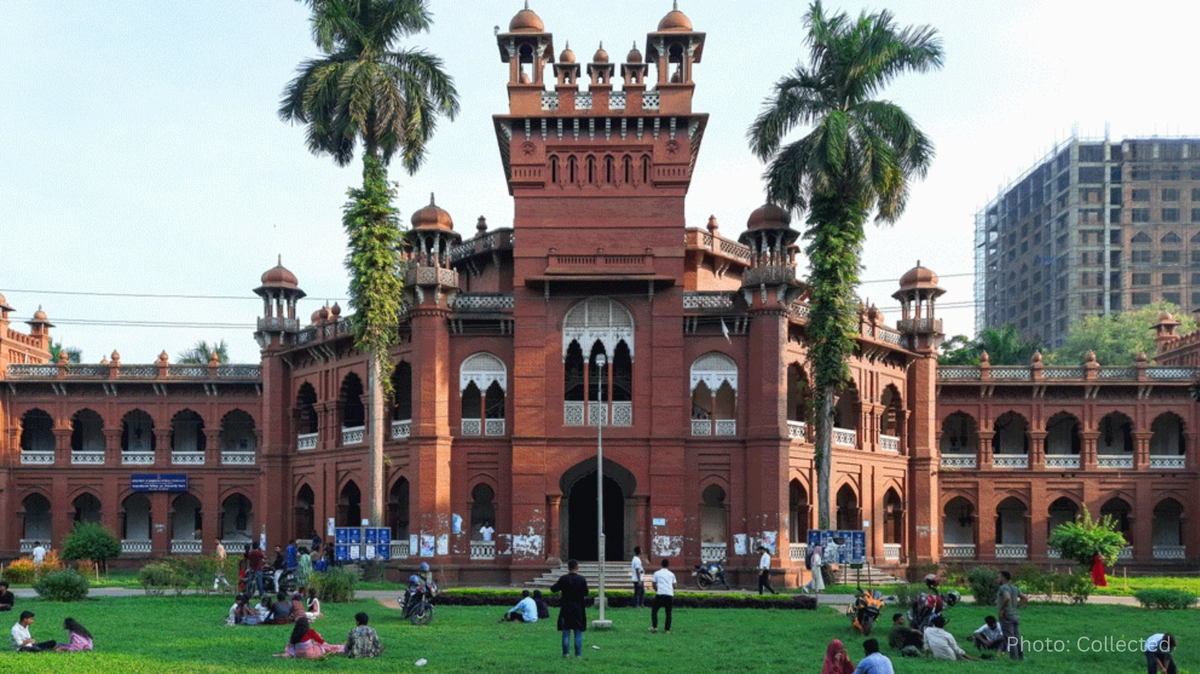
DU to Open Undergraduate Admission Applications on 11 November, Tests Begin 5 December


