Popular Iftar Recipes and Traditional Ramadan Foods Across Bangladesh
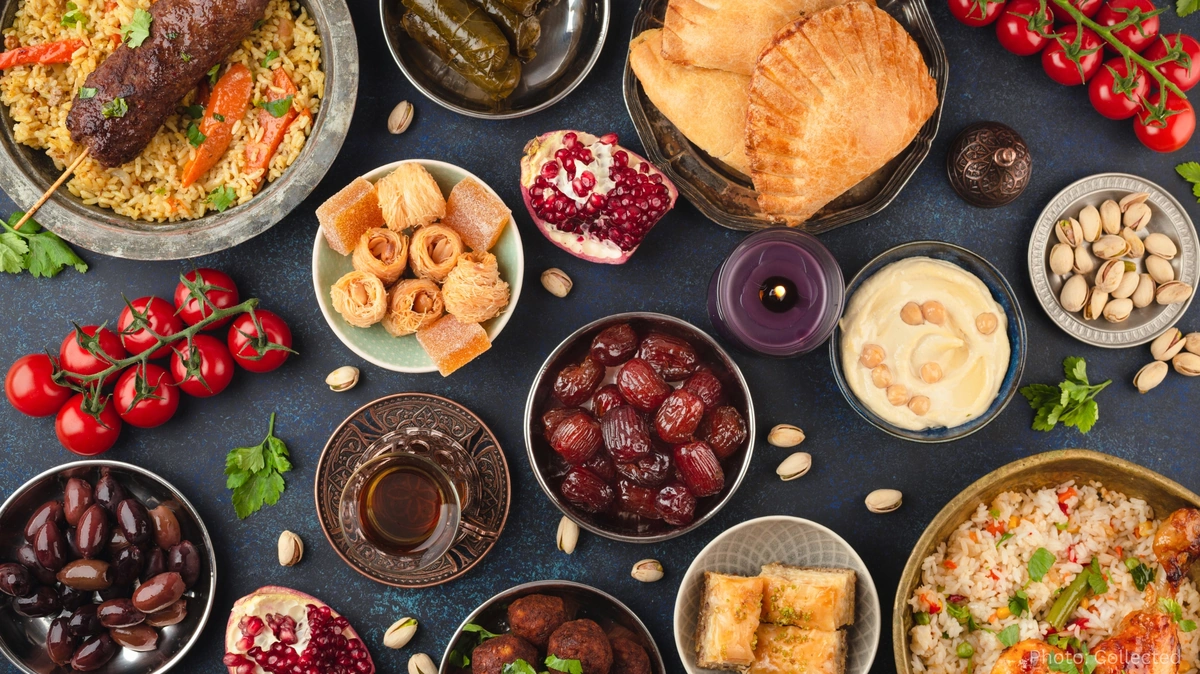
Ramadan in Bangladesh is marked by a rich variety of traditional iftar foods, blending nutrition, flavor, and cultural heritage. From light snacks to hearty meals, families prepare special dishes each evening to break the fast after sunset.
Ramadan is a significant religious and cultural period in Bangladesh, observed with devotion, reflection, and shared meals that bring families and communities together. One of the most important aspects of the month is iftar, the evening meal that breaks the daily fast, typically taken at sunset.
Traditional iftar tables in Bangladeshi households often begin with dates and water, following Islamic tradition. Dates are valued for their natural sweetness and quick energy release, making them an ideal food to break the fast after long hours of abstaining from food and drink.
Alongside dates, fruit chaat is a popular choice, combining seasonal fruits such as apples, bananas, papaya, and watermelon with light spices, salt, and lemon juice. This refreshing dish helps restore hydration and provides essential nutrients after fasting.
Fuchka, chotpoti, and jhalmuri are among the most popular street-style iftar items across Bangladesh. These snacks are widely available in markets and roadside stalls, offering a mix of spicy, tangy, and crunchy flavors that are especially in demand during Ramadan evenings.
Another staple is beguni, a deep-fried eggplant fritter coated in gram flour batter. It is often served alongside piaju, a lentil-based fritter mixed with onions, chilies, and spices. These fried items are commonly paired with tea, creating a traditional and satisfying iftar combination.
Haleem is one of the most significant Ramadan dishes, particularly in urban areas. Made from wheat, lentils, and meat cooked slowly with spices, it is known for its rich texture and high nutritional value. Haleem is often prepared in large quantities and shared among families, neighbors, and community gatherings.
In many households, chicken or beef roast with paratha or polao is also served during iftar or dinner. These heavier dishes are typically reserved for later in the evening after breaking the fast with lighter snacks.
Beverages play an essential role in iftar meals. Traditional drinks such as Rooh Afza sharbat, lemon juice, and falooda help restore hydration and provide cooling relief after a day of fasting in warm weather conditions.
Nutrition experts often highlight the importance of balanced iftar meals that include hydration, fruits, protein, and moderate fried foods. Proper meal planning during Ramadan is considered important for maintaining energy levels and overall health throughout the month.
Beyond food, iftar also carries strong social and spiritual significance. Families gather to eat together, mosques organize community iftar events, and neighbors often share food with one another, strengthening bonds and fostering a sense of unity.
As Ramadan continues, iftar cuisine remains a defining feature of the holy month, reflecting Bangladesh’s deep cultural traditions and the shared values of hospitality, generosity, and faith.
Related News



You may like




Tom Holland Says Marvel Has a Plan for the Next Spider-Man
August 1, 2026
Elected News
-
Bangladesh Seeks UN Women Support on Digital Harassment and Women’s Empowerment
-
Bangladesh, Australia Discuss Human Trafficking, Irregular Migration and Rohingya Crisis
-
Bangladesh Plans Internet-Free Access to Mobile Banking and Financial Apps
-
DU to Open Undergraduate Admission Applications on 11 November, Tests Begin 5 December


