Trump Faces Criticism After Offering No Regret Over Deaths of Indian Sailors During Modi Meeting
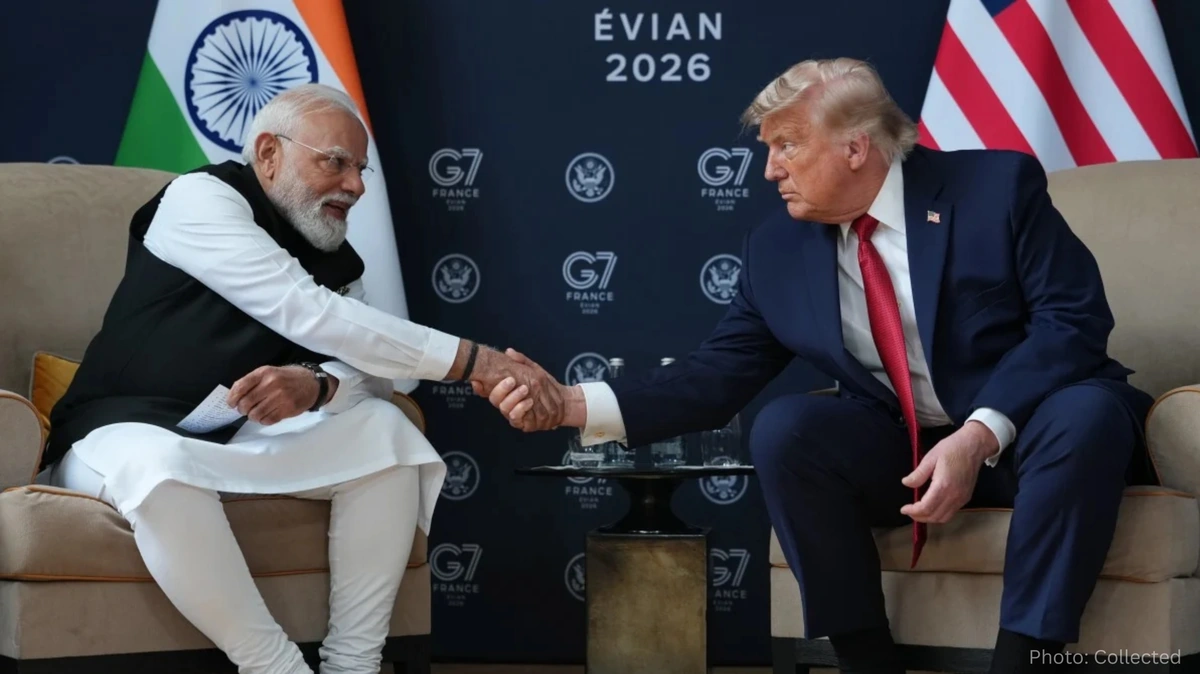
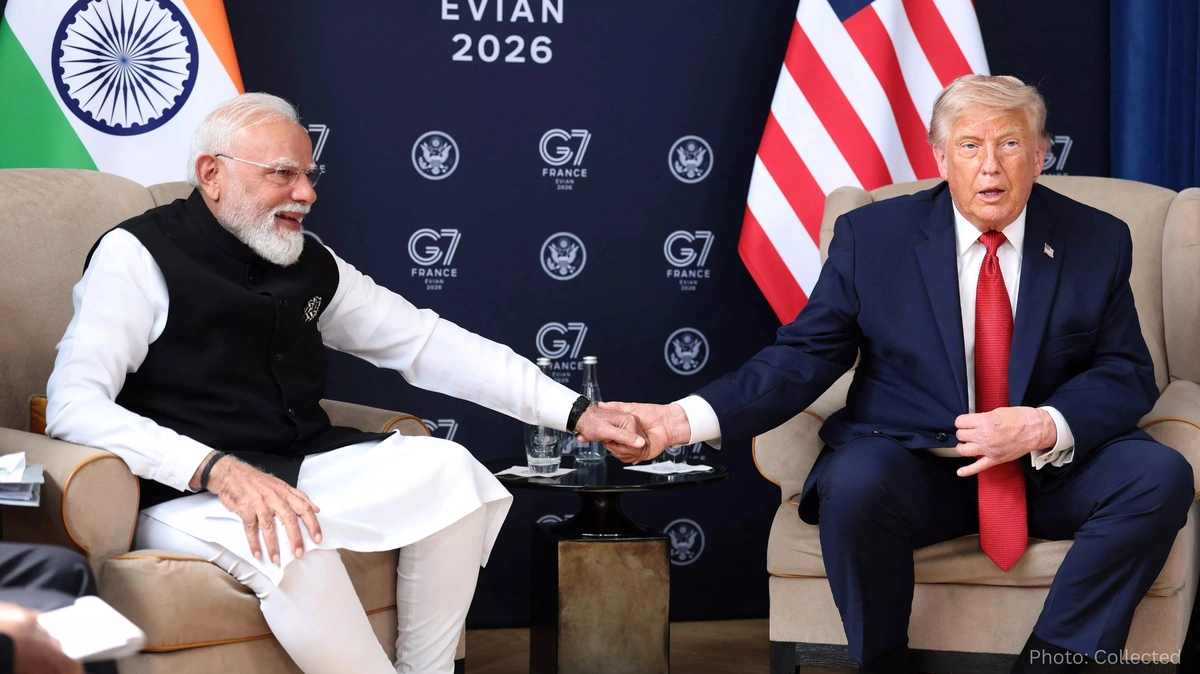
US President Donald Trump and Indian Prime Minister Narendra Modi sought to ease tensions surrounding the deaths of three Indian sailors killed during a US military operation near Oman, but Trump's remarks drew attention for lacking a direct expression of regret or condolences.
The United States and India have attempted to stabilize relations following the deaths of three Indian sailors during a US military operation near the Gulf of Oman, as President Donald Trump and Prime Minister Narendra Modi held their first bilateral meeting in 16 months.
The meeting came amid growing diplomatic tensions triggered by an incident in which US forces reportedly struck a commercial vessel, resulting in the deaths of three Indian nationals. The incident sparked widespread concern in India and prompted calls for accountability from political leaders and the public.
Speaking to reporters after the meeting, Trump acknowledged the incident but stopped short of offering a formal apology, expression of regret, or direct condolences to the families of the victims. Instead, he described commercial maritime operations as a difficult profession and emphasized continued cooperation between Washington and New Delhi.
“We work together,” Trump said, adding that such incidents have occurred throughout history. He also referred to the victims as “great people” but did not directly address demands for accountability or compensation.
Prime Minister Modi raised the issue during his remarks, emphasizing that the safety and security of Indian seafarers remain a top national priority. He expressed hope that measures would be taken to ensure such incidents are prevented in the future, particularly during the implementation of recent agreements involving regional maritime security.
The deaths occurred during a period of heightened tensions linked to military operations and enforcement measures in waters connected to the Strait of Hormuz. According to US officials, the targeted vessels were suspected of violating restrictions related to Iranian maritime trade activities. The operation subsequently became the focus of intense diplomatic scrutiny after it emerged that Indian crew members were among those killed.
India reacted strongly to the incident. The government summoned senior American diplomatic representatives on multiple occasions to seek explanations and formally register its concerns. Indian Foreign Minister Subrahmanyam Jaishankar reportedly conveyed a strong protest during discussions with US Secretary of State Marco Rubio, highlighting the seriousness with which New Delhi viewed the deaths.
The controversy has also fueled public anger across India. Demonstrations and criticism on social media intensified following Washington’s defense of its maritime enforcement actions. Opposition figures accused the government of failing to respond strongly enough to the incident, while nationalist groups demanded greater accountability from the United States.
The diplomatic strain comes at a sensitive moment in US-India relations. Although the two countries continue to expand cooperation in defense, trade, technology, and Indo-Pacific security, relations have faced challenges in recent years due to tariffs, sanctions disputes, visa policies, and disagreements over geopolitical issues.
Despite these tensions, Trump sought to reaffirm the strategic partnership between the two nations during the meeting. He described India as a close partner and stated that the United States would support India in the event of a major crisis, even though the two countries do not share a formal mutual defense treaty.
The meeting also included discussions on trade negotiations, regional security, and broader geopolitical developments. Officials from both governments indicated that efforts are continuing to finalize interim trade arrangements, with further talks expected in the coming weeks.
Analysts note that while both sides appear eager to prevent the sailors’ deaths from causing lasting damage to bilateral ties, the incident has exposed underlying sensitivities within the relationship. The lack of a direct expression of regret from Trump has drawn criticism in India and may continue to influence public perceptions of the United States.
As diplomatic engagement continues, both governments are expected to focus on rebuilding confidence while addressing concerns related to maritime security and the protection of civilian crews operating in strategically important waterways. The handling of the sailors’ deaths is likely to remain a significant issue in US-India relations in the months ahead.
Related News

You may like




Tom Holland Says Marvel Has a Plan for the Next Spider-Man
August 1, 2026
Elected News
-
Bangladesh Seeks UN Women Support on Digital Harassment and Women’s Empowerment
-

Bangladesh, Australia Discuss Human Trafficking, Irregular Migration and Rohingya Crisis
-

Bangladesh Plans Internet-Free Access to Mobile Banking and Financial Apps
-

DU to Open Undergraduate Admission Applications on 11 November, Tests Begin 5 December


