Traditional Bangladeshi Recipes That Define the Country’s Rich Culinary Heritage
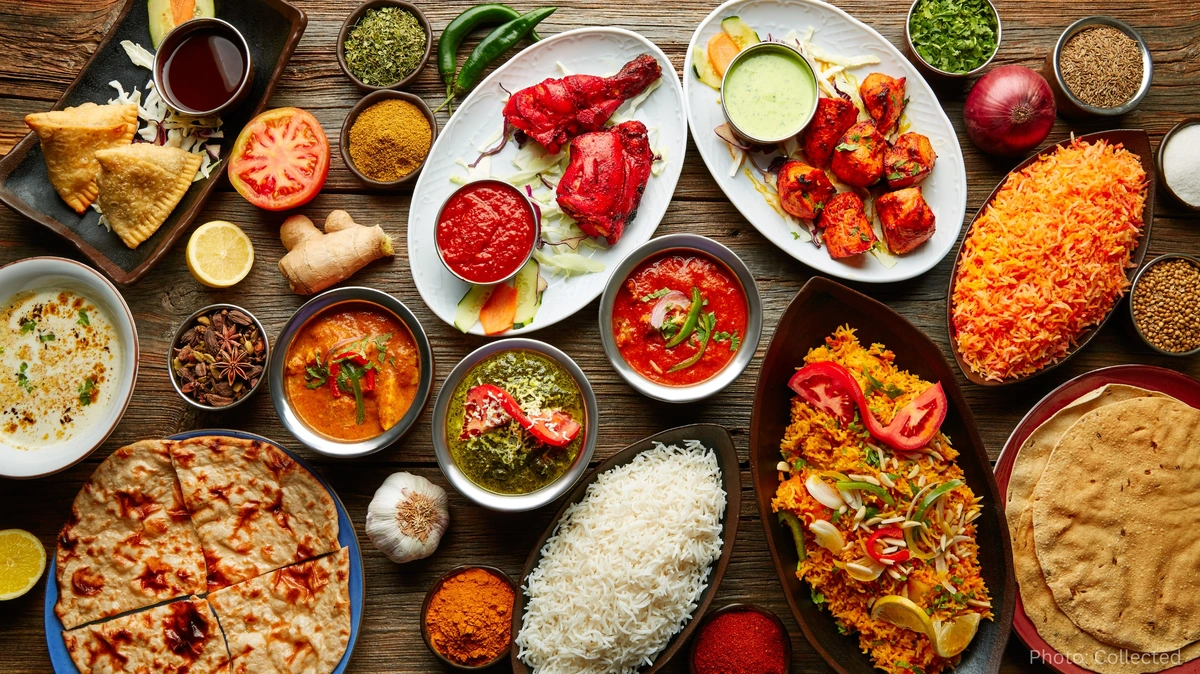
Bangladeshi cuisine is known for its rich spices, diverse cooking styles, and deep cultural roots. Traditional recipes reflect regional influences, seasonal ingredients, and centuries-old culinary practices that remain central to family meals across the country.
Bangladeshi cuisine represents a vibrant blend of flavors, history, and tradition, shaped by regional diversity and a long cultural heritage. From everyday meals to festive dishes, traditional recipes continue to play a central role in households across the country.
One of the most iconic dishes is Bhuna Khichuri, a flavorful combination of rice, lentils, and spices. Often prepared during monsoon seasons or special gatherings, it is typically served with fried eggs, beef, or fish, making it a comforting and widely loved meal.
Another staple of Bangladeshi food culture is Hilsa Curry, made from the national fish of Bangladesh. Hilsa, locally known as “Ilish,” is cooked in mustard-based gravy, creating a rich and aromatic dish that is especially popular during the monsoon season when the fish is most abundant.
Beef Tehari is another traditional favorite, especially in urban areas. This rice-based dish is cooked with beef, aromatic spices, and sometimes potatoes, offering a rich and savory flavor profile. It is often enjoyed during family gatherings and celebrations.
Panta Bhat, a simple yet culturally significant dish, consists of fermented rice soaked in water and typically served with fried fish, onions, and green chilies. It is especially popular in rural areas and during Pahela Baishakh, the Bengali New Year celebration.
Shutki Bhuna, or dried fish curry, is a traditional dish that reflects the coastal culinary practices of Bangladesh. Known for its strong aroma and bold taste, it is often prepared with chili, onions, and mustard oil and remains a staple in many households.
Traditional desserts also hold an important place in Bangladeshi cuisine. Roshogolla and Mishti Doi are among the most popular sweets, made from milk, sugar, and fermentation processes that create their distinct textures and flavors. These desserts are widely served during festivals, weddings, and family celebrations.
Street food culture also contributes significantly to Bangladesh’s culinary identity. Snacks such as Fuchka (pani puri), Chotpoti, and Jhalmuri are popular across cities and towns, offering spicy, tangy, and crunchy flavors that appeal to all age groups.
Food experts note that Bangladeshi cuisine is heavily influenced by seasonal availability, with dishes often changing based on rice harvests, fish availability, and regional agricultural patterns. This connection to nature has helped preserve traditional cooking methods passed down through generations.
Despite modernization and global food trends, traditional Bangladeshi recipes remain deeply embedded in everyday life. Families continue to prepare these dishes not only for nourishment but also as a way of preserving cultural identity and sharing heritage across generations.
As interest in South Asian cuisine grows globally, Bangladeshi food is gaining recognition for its unique balance of spice, texture, and simplicity. Culinary observers believe that continued promotion of traditional recipes could further elevate Bangladesh’s presence on the global food map.
Related News




You may like




Tom Holland Says Marvel Has a Plan for the Next Spider-Man
August 1, 2026
Elected News
-
Bangladesh Seeks UN Women Support on Digital Harassment and Women’s Empowerment
-
Bangladesh, Australia Discuss Human Trafficking, Irregular Migration and Rohingya Crisis
-
Bangladesh Plans Internet-Free Access to Mobile Banking and Financial Apps
-
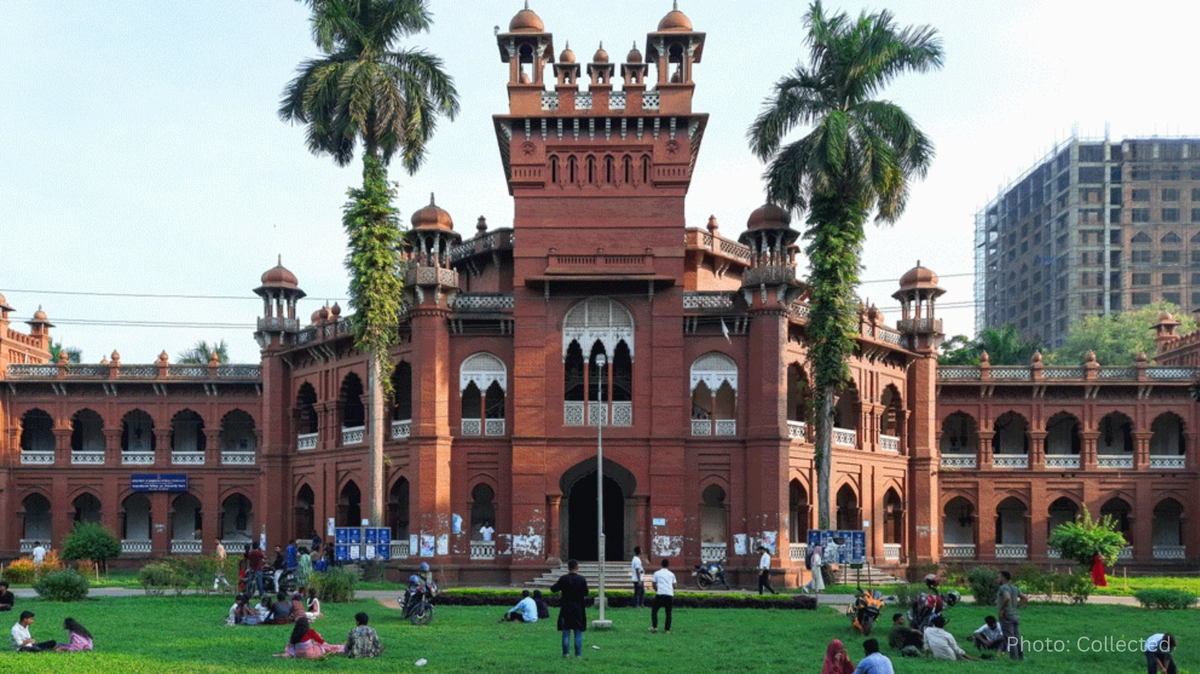
DU to Open Undergraduate Admission Applications on 11 November, Tests Begin 5 December


