Digital Detox and Screen Time: Experts Encourage Healthier Technology Habits in an Always-Connected World
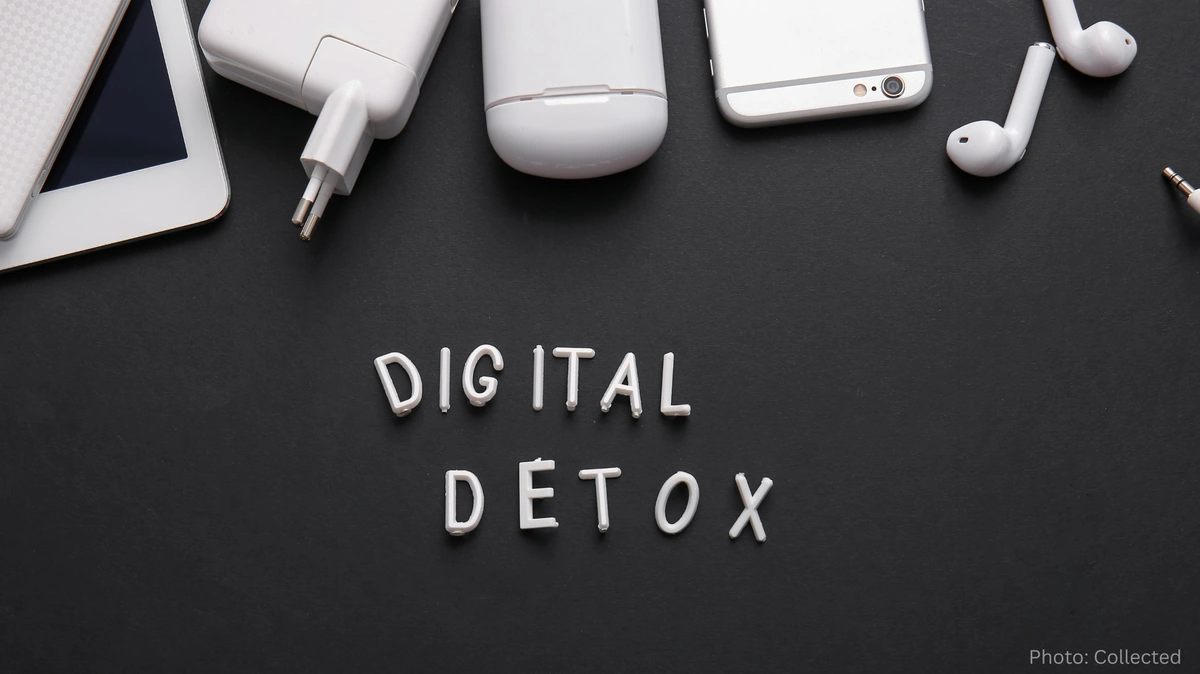
As smartphones, computers and digital devices become increasingly central to everyday life, health experts are encouraging people to practice regular digital detoxes and manage screen time more effectively. Specialists say setting healthy boundaries with technology can improve sleep, mental well-being, productivity and personal relationships.
The rapid expansion of digital technology has transformed how people work, communicate, learn and entertain themselves. Smartphones, tablets, laptops and smart televisions have become essential tools for both personal and professional life. However, healthcare professionals are warning that excessive screen time may contribute to a range of physical and mental health concerns, prompting renewed interest in digital detox practices.
A digital detox refers to intentionally reducing or temporarily avoiding the use of electronic devices to improve overall well-being. While technology offers numerous benefits, experts say continuous connectivity can make it difficult for individuals to disconnect from work, maintain healthy sleep patterns and engage fully in face-to-face social interactions.
Studies have linked prolonged screen use to symptoms such as eye strain, headaches, neck and back pain, sleep disturbances and reduced physical activity. Mental health professionals also note that excessive exposure to social media, constant notifications and information overload may contribute to stress, anxiety and reduced attention spans in some individuals.
One of the most common concerns involves sleep quality. Electronic devices emit blue light that can interfere with the body's production of melatonin, the hormone responsible for regulating sleep cycles. Using smartphones, tablets or computers shortly before bedtime may delay sleep onset and reduce overall sleep quality, leaving individuals feeling less rested the following day.
Health experts recommend establishing screen-free periods during the day, particularly before bedtime. Many specialists advise avoiding electronic devices for at least one hour before sleeping and replacing screen time with activities such as reading printed books, light stretching, meditation or conversation with family members.
The workplace has also become a major source of screen exposure. Professionals often spend entire workdays in front of computers before continuing to use smartphones and other devices during their personal time. Occupational health experts recommend taking short breaks every 20 to 30 minutes to reduce eye strain and encourage movement throughout the day.
The widely recommended "20-20-20 rule" is considered an effective strategy for protecting eye health. After every 20 minutes of screen use, individuals are encouraged to look at an object approximately 20 feet away for at least 20 seconds. This simple practice helps reduce digital eye fatigue caused by prolonged focus on screens.
Parents are also paying closer attention to children's screen habits as digital devices become increasingly integrated into education and recreation. Pediatric health professionals encourage balanced technology use by combining educational screen time with outdoor play, physical activity, creative hobbies and regular family interaction.
Digital detoxes do not necessarily require abandoning technology altogether. Instead, experts recommend setting realistic boundaries that fit individual lifestyles. Turning off unnecessary notifications, limiting social media use, scheduling device-free meals and designating certain rooms as screen-free zones are among the practical strategies frequently suggested by health professionals.
Many smartphone manufacturers and software developers now include built-in digital well-being features that allow users to monitor screen time, set daily app usage limits and schedule periods during which notifications are automatically minimized. These tools can help individuals become more aware of their digital habits and gradually reduce excessive device use.
Maintaining healthy offline activities is another important aspect of digital wellness. Exercise, outdoor recreation, hobbies, volunteering and spending quality time with friends and family can provide meaningful alternatives to prolonged screen exposure while supporting both physical and emotional health.
Employers are increasingly recognizing the importance of digital well-being in the workplace. Some organizations have introduced policies encouraging employees to disconnect after working hours, reduce unnecessary virtual meetings and promote healthier work-life balance. Such initiatives are intended to reduce burnout while improving long-term productivity and employee satisfaction.
Technology experts emphasize that digital devices remain valuable tools when used responsibly. The goal of a digital detox is not to eliminate technology but to create healthier relationships with it by using devices intentionally rather than habitually.
As digital technology continues to shape modern life, healthcare professionals encourage individuals to regularly evaluate their screen habits and adopt practical strategies that support both productivity and well-being. By balancing online engagement with offline activities, quality sleep and meaningful personal interactions, people can enjoy the benefits of technology while reducing its potential negative effects on their health.
Related News





You may like




Tom Holland Says Marvel Has a Plan for the Next Spider-Man
August 1, 2026
Elected News
-
Bangladesh Seeks UN Women Support on Digital Harassment and Women’s Empowerment
-
Bangladesh, Australia Discuss Human Trafficking, Irregular Migration and Rohingya Crisis
-
Bangladesh Plans Internet-Free Access to Mobile Banking and Financial Apps
-
DU to Open Undergraduate Admission Applications on 11 November, Tests Begin 5 December


