Exercise Routines for Busy Professionals: Simple Workouts Help Maintain Health Despite Packed Schedules
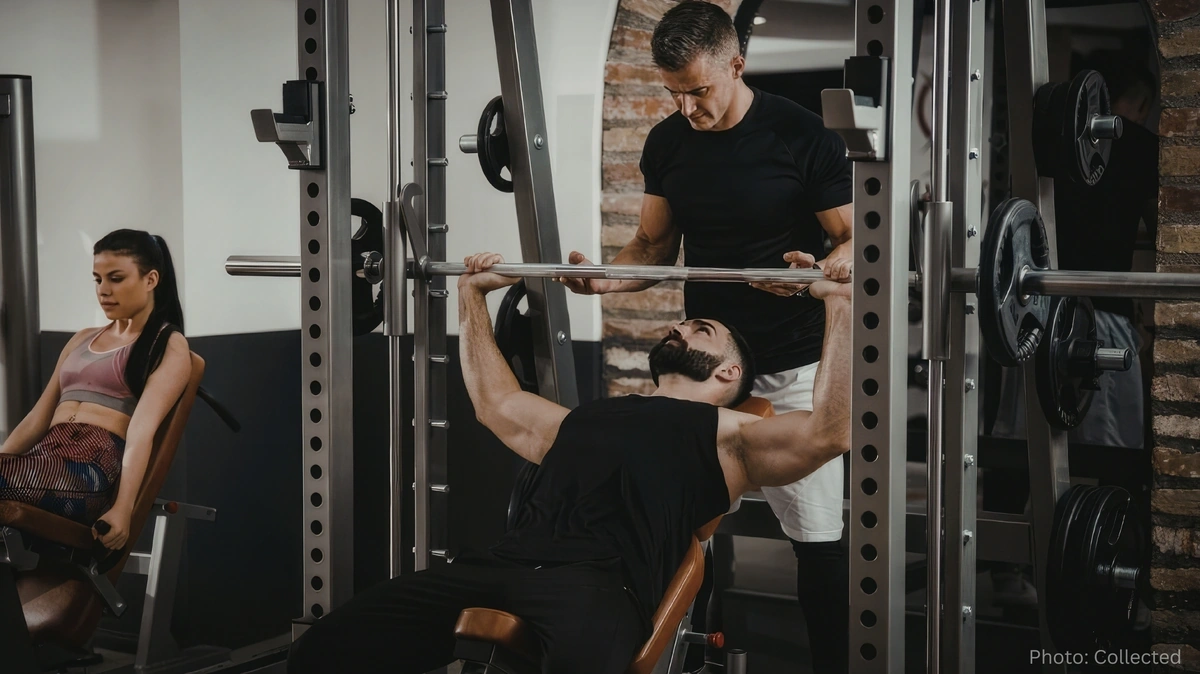
As demanding work schedules leave many professionals with limited free time, fitness experts say short, consistent exercise routines can still deliver significant health benefits. Even 20 to 30 minutes of daily physical activity can improve cardiovascular health, boost energy levels and reduce stress.
Balancing professional responsibilities with personal health has become an increasing challenge for millions of workers around the world. Long office hours, frequent meetings, lengthy commutes and digital connectivity often leave little room for regular exercise. However, health and fitness experts say maintaining an active lifestyle does not require spending hours in the gym, as carefully planned short workouts can provide meaningful physical and mental health benefits.
Regular exercise is widely recognized as one of the most effective ways to reduce the risk of chronic diseases, improve cardiovascular health, strengthen muscles and bones, enhance mental well-being and maintain a healthy body weight. Despite these benefits, many professionals report struggling to establish consistent fitness routines due to time constraints.
Fitness specialists recommend prioritizing consistency over duration. A daily workout lasting 20 to 30 minutes can be sufficient to improve overall fitness when performed regularly. High-intensity interval training (HIIT), brisk walking, cycling, bodyweight exercises and resistance training are among the most effective options for individuals with limited schedules.
Morning workouts have become increasingly popular among professionals seeking to complete their exercise before the demands of the workday begin. Exercising early can improve alertness, increase energy levels and reduce the likelihood of unexpected work commitments interfering with fitness plans later in the day.
For those unable to exercise in the morning, short activity breaks throughout the day can also contribute to better health. Standing, stretching, climbing stairs or taking brief walks during lunch breaks can help reduce the negative effects of prolonged sitting, which has been linked to increased risks of cardiovascular disease, obesity and musculoskeletal problems.
Bodyweight exercises remain one of the most convenient fitness options because they require little or no equipment. Push-ups, squats, lunges, planks, burpees and mountain climbers can be combined into efficient full-body workouts that can be completed at home, in hotel rooms or even in office wellness spaces.
Strength training is also recommended at least two days per week to help maintain muscle mass, improve bone density and support long-term metabolic health. Resistance bands, adjustable dumbbells and kettlebells offer practical solutions for professionals who prefer exercising at home.
Cardiovascular exercise continues to play an important role inmaintaining heart health. Experts suggest accumulating at least 150 minutes of moderate-intensity aerobic activity or 75 minutes of vigorous-intensity activity each week. Walking meetings, cycling to work where possible or choosing stairs instead of elevators can help individuals gradually achieve these targets.
Flexibility and mobility exercises should not be overlooked. Stretching routines and mobility exercises may improve posture, reduce muscle stiffness and lower the risk of workplace-related discomfort, particularly among employees who spend long hours at computer workstations.
Recovery is considered an essential component of any exercise program. Adequate sleep, hydration and balanced nutrition support muscle repair and overall performance while reducing the likelihood of injury. Fitness professionals also encourage scheduling rest days to allow the body sufficient time to recover between more intense workouts.
Technology has made fitness more accessible through smartphone applications, wearable devices and online workout platforms. Many professionals use these tools to monitor activity levels, schedule exercise sessions and follow guided workouts that fit into busy daily routines. Virtual fitness classes have also become increasingly popular, offering flexibility for those who cannot attend traditional gyms.
Health experts advise setting realistic and achievable goals rather than pursuing overly ambitious fitness plans that may be difficult to maintain. Establishing a consistent routine, even if modest, is generally considered more beneficial than engaging in occasional high-intensity workouts followed by long periods of inactivity.
Employers are also recognizing the value of workplace wellness initiatives. Some organizations now provide fitness facilities, standing desks, wellness programs or flexible schedules that encourage employees to remain physically active. Such initiatives have been associated with improved productivity, lower absenteeism and greater employee satisfaction.
As modern work environments continue to evolve, healthcare professionals emphasize that regular physical activity remains one of the most effective investments in long-term health. By incorporating manageable exercise routines into their daily schedules, busy professionals can improve fitness, reduce stress and support both personal well-being and workplace performance without sacrificing significant amounts of time.
Related News





You may like




Tom Holland Says Marvel Has a Plan for the Next Spider-Man
August 1, 2026
Elected News
-
Bangladesh Seeks UN Women Support on Digital Harassment and Women’s Empowerment
-
Bangladesh, Australia Discuss Human Trafficking, Irregular Migration and Rohingya Crisis
-
Bangladesh Plans Internet-Free Access to Mobile Banking and Financial Apps
-
DU to Open Undergraduate Admission Applications on 11 November, Tests Begin 5 December


