Stress Management Techniques Gain Importance as Experts Encourage Healthier Coping Strategies
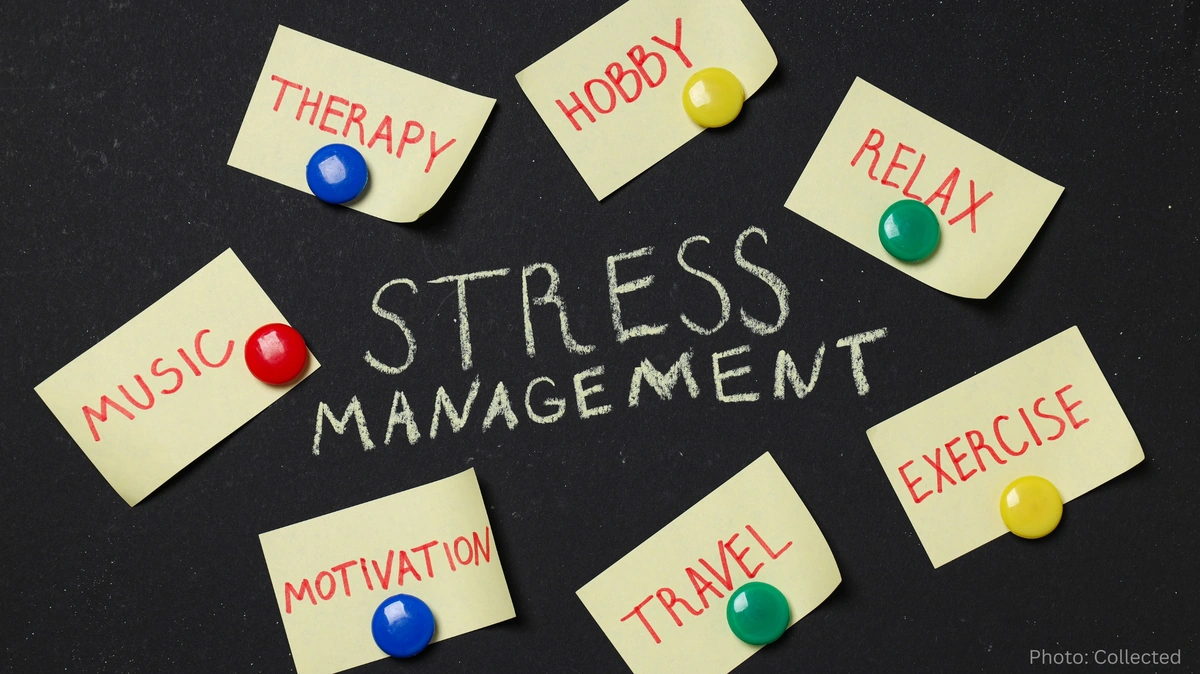
With increasing workplace demands, financial pressures and fast-paced lifestyles contributing to rising stress levels, health experts are encouraging people to adopt practical stress management techniques. Specialists say simple daily habits can help improve mental well-being, enhance productivity and reduce the risk of long-term health problems.
Stress has become an increasingly common part of modern life, affecting people across all age groups and professions. While short-term stress can help individuals respond to challenges, prolonged or unmanaged stress may negatively impact both physical and mental health. Healthcare professionals say recognizing the signs of stress early and adopting healthy coping strategies are essential for maintaining overall well-being.
According to medical experts, stress is the body's natural response to situations perceived as challenging or demanding. Work deadlines, financial concerns, academic pressures, family responsibilities and unexpected life events are among the most common sources of stress. Although occasional stress is considered normal, persistent exposure can contribute to serious health complications if left unaddressed.
Chronic stress has been associated with an increased risk of high blood pressure, cardiovascular disease, digestive disorders, weakened immunity, anxiety and depression. Individuals experiencing prolonged stress may also report fatigue, difficulty concentrating, sleep disturbances, irritability and reduced workplace performance.
Mental health professionals emphasize that understanding personal stress triggers is an important first step toward effective management. Identifying situations, habits or environments that consistently create emotional strain allows individuals to develop healthier responses before stress becomes overwhelming.
Regular physical activity remains one of the most widely recommended stress management strategies. Exercise stimulates the release of endorphins, often referred to as the body's natural mood-enhancing chemicals, while also helping reduce muscle tension and improve sleep quality. Activities such as brisk walking, jogging, cycling, swimming and yoga can all contribute to lower stress levels when practiced consistently.
Adequate sleep is another critical component of stress management. Adults are generally advised to obtain seven to nine hours of quality sleep each night, as insufficient rest can increase emotional sensitivity and reduce the body's ability to cope with daily challenges. Maintaining consistent sleep schedules and limiting screen time before bedtime may help improve sleep quality.
Mindfulness and relaxation techniques have also gained widespread recognition among healthcare providers. Deep breathing exercises, meditation, progressive muscle relaxation and guided mindfulness practices may help calm the nervous system, reduce anxiety and improve emotional resilience. Many individuals incorporate these techniques into their daily routines to manage workplace and personal stress more effectively.
Nutrition also plays an important role in emotional well-being. A balanced diet that includes fruits, vegetables, whole grains, lean proteins and healthy fats supports overall health and stable energy levels. Experts recommend limiting excessive caffeine, alcohol and highly processed foods, which may contribute to anxiety or interfere with sleep in some individuals.
Maintaining strong social connections is another protective factor against stress. Spending time with family members, friends or supportive colleagues can provide emotional comfort and practical assistance during difficult periods. Mental health specialists encourage individuals not to hesitate to seek support when facing persistent challenges.
Time management is frequently highlighted as an effective way to reduce daily stress. Organizing priorities, breaking large tasks into manageable steps and setting realistic expectations can help individuals feel more in control of their responsibilities. Experts also encourage taking regular breaks throughout the workday to maintain focus and prevent burnout.
Digital technology, while beneficial in many aspects of life, can also contribute to stress through constant notifications and continuous connectivity. Healthcare professionals recommend establishing healthy boundaries by limiting unnecessary screen time, especially during evenings, and creating periods of uninterrupted personal time away from digital devices.
For individuals experiencing severe or persistent stress, professional support may be necessary. Psychologists, psychiatrists and licensed counselors can provide evidence-based therapies and treatment plans tailored to individual needs. Early intervention is often associated with better outcomes and may help prevent more serious mental health conditions from developing.
Employers are also placing greater emphasis on workplace well-being through employee assistance programs, flexible work arrangements, mental health awareness campaigns and wellness initiatives. These efforts aim to create healthier work environments while supporting employee productivity and job satisfaction.
Health experts emphasize that stress cannot always be eliminated, but it can often be managed effectively through healthy lifestyle choices, emotional awareness and timely support. By combining regular exercise, quality sleep, balanced nutrition, relaxation techniques and strong social relationships, individuals can strengthen their resilience and improve their ability to navigate the challenges of everyday life.
Related News





You may like




Tom Holland Says Marvel Has a Plan for the Next Spider-Man
August 1, 2026
Elected News
-
Bangladesh Seeks UN Women Support on Digital Harassment and Women’s Empowerment
-
Bangladesh, Australia Discuss Human Trafficking, Irregular Migration and Rohingya Crisis
-
Bangladesh Plans Internet-Free Access to Mobile Banking and Financial Apps
-
DU to Open Undergraduate Admission Applications on 11 November, Tests Begin 5 December


