Women's Financial Independence Gains Momentum as Economic Empowerment Reshapes Societies

Greater access to education, employment opportunities, entrepreneurship, and financial services is enabling more women to take control of their economic futures, though persistent barriers continue to challenge the path toward true financial equality.
Women's financial independence is increasingly being recognized as a cornerstone of inclusive economic growth and social progress, as millions of women around the world seek greater control over their incomes, assets, and financial decisions. From salaried employment and entrepreneurship to investment and digital finance, economic empowerment is transforming lives, strengthening families, and reshaping communities.
For generations, financial dependence limited many women's ability to make choices regarding education, healthcare, career development, and personal well-being. In many societies, cultural expectations, restricted access to resources, and unequal opportunities created barriers that prevented women from fully participating in economic life. While significant progress has been made in recent decades, advocates and economists argue that achieving genuine financial independence remains an ongoing challenge.
Education continues to be one of the most powerful tools in promoting economic self-sufficiency. Increased access to schooling and professional training has expanded opportunities for women to enter diverse sectors of the workforce. Higher levels of education are often associated with improved earning potential, stronger financial literacy, and greater confidence in managing personal finances.
Employment opportunities have also played a crucial role in advancing women's financial autonomy. Across industries ranging from healthcare and education to technology and manufacturing, women are increasingly contributing to national economies through their skills and expertise. Regular income not only enhances individual security but also enables women to participate more actively in household decision-making and long-term financial planning.
Entrepreneurship has emerged as another significant pathway to economic independence. Many women are launching small businesses, home-based enterprises, and innovative startups that generate income and create employment opportunities for others. Access to microfinance programs, mentorship initiatives, and business development support has helped aspiring female entrepreneurs transform ideas into sustainable ventures, particularly in rural and underserved communities.
Financial inclusion remains a critical component of this transformation. Access to bank accounts, savings products, credit facilities, insurance services, and digital payment systems empowers women to build financial resilience and manage economic risks more effectively. Digital banking and mobile financial services have proven especially valuable in extending financial access to women who may have previously faced mobility constraints or limited proximity to traditional banking institutions.
Experts emphasize that financial literacy is equally important. Understanding budgeting, savings, debt management, investing, and retirement planning enables women to make informed decisions and safeguard their economic futures. Financial education initiatives are increasingly being integrated into community programs, educational institutions, and workplace training efforts to address knowledge gaps and promote confidence.
Despite notable advances, substantial challenges persist. Gender pay disparities continue to affect earning potential in many parts of the world. Women are also more likely to shoulder unpaid caregiving responsibilities, which can limit career advancement and reduce opportunities for income generation. Limited access to collateral, discriminatory lending practices, and underrepresentation in leadership positions further complicate efforts toward economic equality.
Social norms and cultural attitudes can also influence women's financial participation. In some communities, expectations regarding traditional gender roles may discourage women from pursuing employment, managing finances independently, or making investment decisions. Advocates argue that changing these perceptions requires collective action involving families, educational institutions, employers, policymakers, and community leaders.
Governments and private organizations are increasingly implementing policies designed to close gender gaps. Initiatives promoting equal pay, maternity protections, workplace flexibility, access to childcare, and support for women-owned businesses are gaining attention as strategies to foster more inclusive economies. International development agencies have similarly highlighted women's economic empowerment as a key driver of poverty reduction and sustainable development.
The benefits of women's financial independence often extend far beyond individual achievement. Research consistently suggests that when women control financial resources, households tend to invest more in children's education, nutrition, and healthcare. This ripple effect contributes to stronger families, healthier communities, and improved social outcomes across generations.
Women themselves are redefining traditional notions of success by pursuing financial goals aligned with their aspirations and values. Some prioritize building emergency savings and purchasing homes, while others focus on expanding businesses, investing for retirement, or supporting family members. The common thread is the ability to make choices based on personal agency rather than economic necessity imposed by dependence.
As societies continue to evolve, the pursuit of women's financial independence represents both an economic imperative and a matter of equity. Creating environments where women can access opportunities, exercise financial decision-making, and participate fully in economic life remains essential to achieving broader prosperity.
While obstacles remain, the growing emphasis on education, inclusion, entrepreneurship, and equal opportunity offers reason for optimism. Women's financial independence is no longer viewed solely as a personal milestone; it is increasingly recognized as a powerful force capable of driving innovation, resilience, and sustainable development in an interconnected world.
Related News



You may like




Tom Holland Says Marvel Has a Plan for the Next Spider-Man
August 1, 2026
Elected News
-
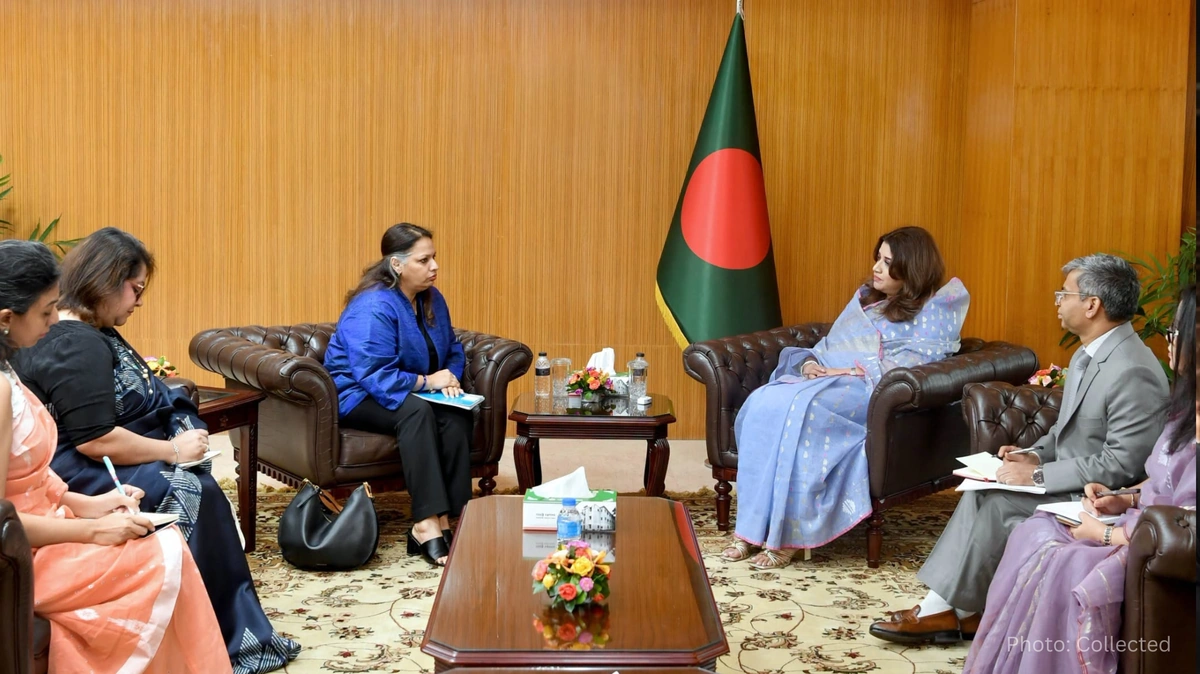
Bangladesh Seeks UN Women Support on Digital Harassment and Women’s Empowerment
-
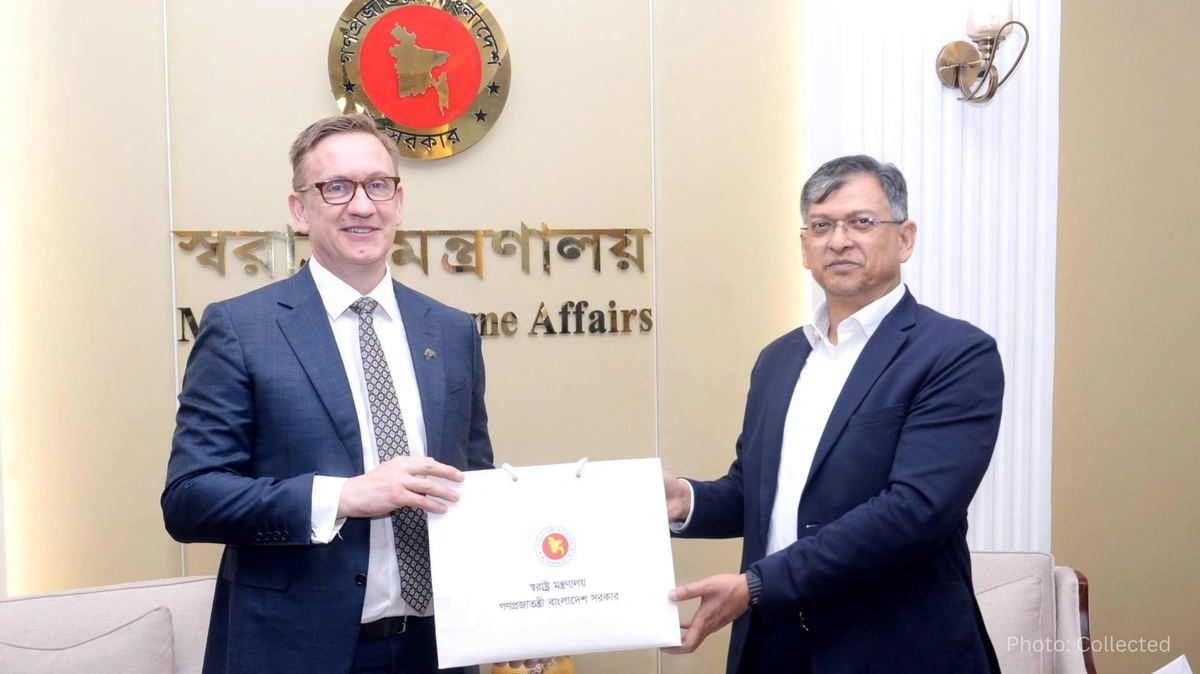
Bangladesh, Australia Discuss Human Trafficking, Irregular Migration and Rohingya Crisis
-
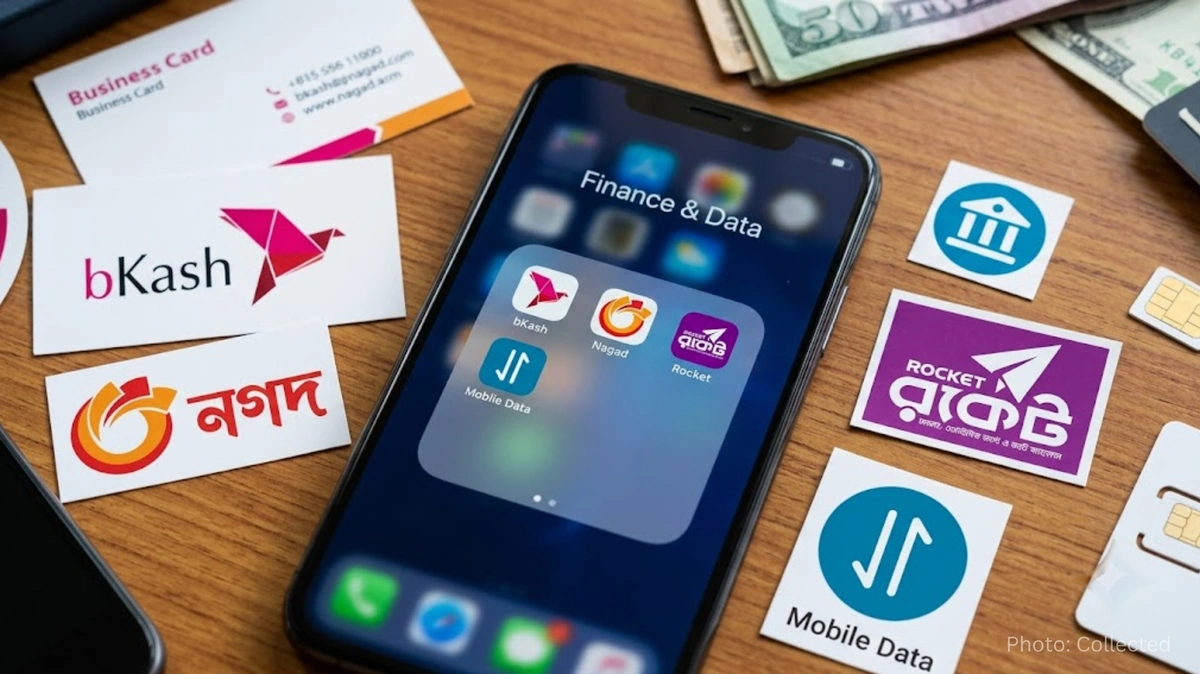
Bangladesh Plans Internet-Free Access to Mobile Banking and Financial Apps
-

DU to Open Undergraduate Admission Applications on 11 November, Tests Begin 5 December


