Bangladesh Begins Receiving Nepalese Electricity in Landmark Regional Energy Partnership
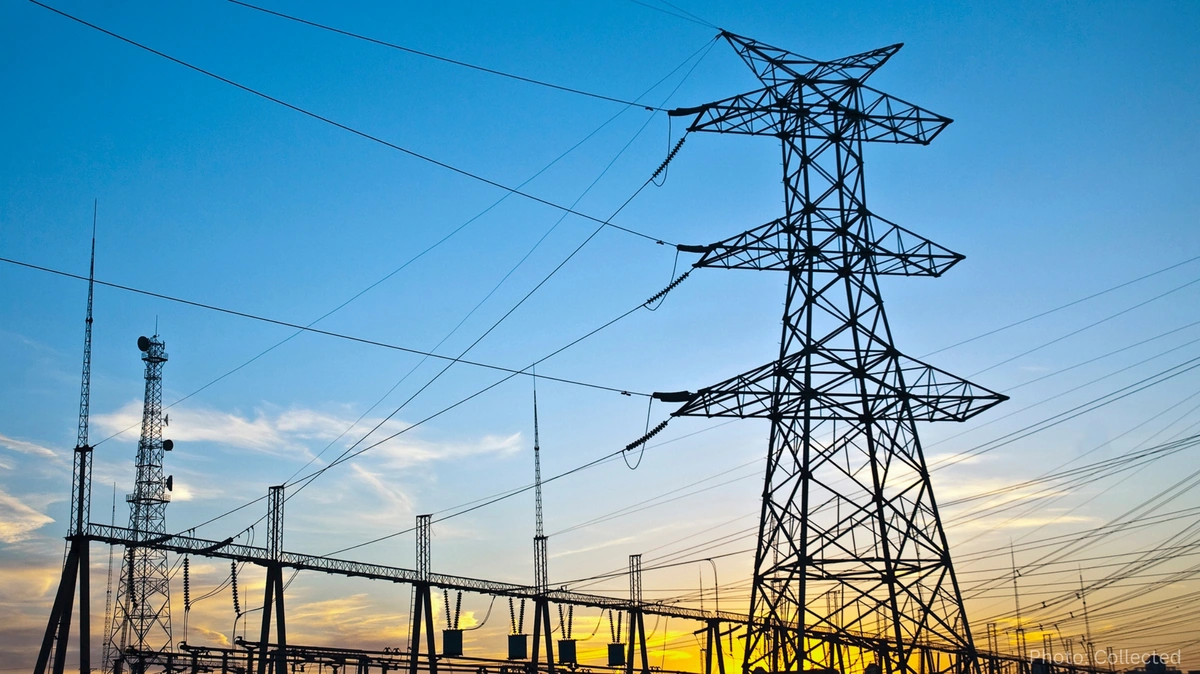
Bangladesh has started importing 40 megawatts of electricity from Nepal through India under a trilateral agreement, marking a symbolic yet historic step toward deeper regional energy cooperation and future cross-border power trade.
Bangladesh has officially begun receiving electricity generated in Nepal through India's transmission network, marking a significant milestone in South Asian regional energy cooperation and opening a new chapter in cross-border power trade.
Under a tripartite agreement involving Bangladesh, Nepal, and India, Bangladesh will import 40 megawatts (MW) of electricity from Nepal for a five-month period running from 15 June to 15 November. While the amount represents only a small fraction of Bangladesh's growing energy demand, officials from both countries have described the initiative as a strategic breakthrough with considerable long-term potential.
The electricity import arrangement stems from a Power Sales Agreement signed on 3 October 2024 between the Nepal Electricity Authority (NEA), the Bangladesh Power Development Board (BPDB), and India's NTPC Vidyut Vyapar Nigam Ltd. (NVVN). The agreement established a framework for Nepalese hydropower to be transmitted through Indian infrastructure and supplied to Bangladesh.
Officials involved in the initiative noted that although the current supply of 40MW is largely symbolic given Bangladesh's overall electricity requirements, it demonstrates the feasibility of a broader regional energy market in South Asia.
Nepal, endowed with abundant hydropower resources generated by its vast river systems and mountainous terrain, has increasingly sought to position itself as a regional exporter of clean energy. Bangladesh, meanwhile, continues to experience rising electricity demand driven by industrial growth, urbanisation, and expanding economic activity.
Energy experts believe the complementary needs and strengths of the two countries create significant opportunities for mutually beneficial cooperation.
According to available figures, Nepal's electricity exports have grown substantially in recent years. During the first ten months of the current fiscal year, the country exported electricity worth nearly Rs21 billion, equivalent to approximately Tk25.6 billion, to India and Bangladesh combined. In comparison, the export value exceeded Rs13 billion during the previous year, reflecting the rapid expansion of Nepal's power trade.
The foundations of Bangladesh-Nepal energy cooperation were laid several years ago. In August 2018, the two countries signed a Memorandum of Understanding aimed at strengthening collaboration in the power sector. The agreement created institutional mechanisms to facilitate cooperation, including a Joint Steering Committee at the secretary level and a Joint Working Group composed of senior officials from both governments.
These platforms have continued to play a central role in advancing bilateral initiatives. The seventh meetings of the Joint Steering Committee and Joint Working Group on Nepal-Bangladesh cooperation in the power sector were held in Dhaka in November 2025, where officials reviewed progress and explored opportunities for expanding collaboration.
The commencement of electricity exports under the tripartite framework represents one of the most tangible outcomes of those discussions.
Under the terms of the agreement, Nepal is expected to export 40MW of electricity to Bangladesh annually during the period between 15 June and 15 November, coinciding with seasonal conditions that support increased hydropower generation.
Beyond the current arrangement, both countries are exploring more ambitious projects aimed at deepening their energy partnership.
Negotiations are reportedly underway regarding the proposed 683MW Sunkoshi III Hydropower Project, which could be developed on a joint venture basis. If realised, the project could significantly increase the volume of electricity available for cross-border trade and further strengthen regional energy security.
Bangladesh has repeatedly expressed interest in securing diversified and sustainable energy sources to support its long-term development goals. Officials have highlighted the importance of strategic partnerships with neighbouring countries and emphasised that expanding bilateral trade, including energy exchanges, would deliver benefits to all parties involved.
For Nepal, increased electricity exports provide a valuable source of foreign exchange earnings while supporting its ambition to emerge as a major hydropower exporter within the region.
The latest development also reflects a broader trend towards greater regional integration in South Asia's energy sector. By utilising existing transmission networks across borders, countries are increasingly recognising the economic and environmental advantages of sharing energy resources.
Although 40MW may appear modest in scale, policymakers regard it as an important first step toward a future where larger volumes of renewable electricity flow seamlessly across national boundaries.
As Bangladesh receives its first seasonal supply of Nepalese hydropower this year, the initiative stands as both a symbolic achievement and a practical demonstration of what regional cooperation can accomplish offering a glimpse into a more interconnected and energy-secure future for South Asia.
Related News



You may like




Tom Holland Says Marvel Has a Plan for the Next Spider-Man
August 1, 2026
Elected News
-
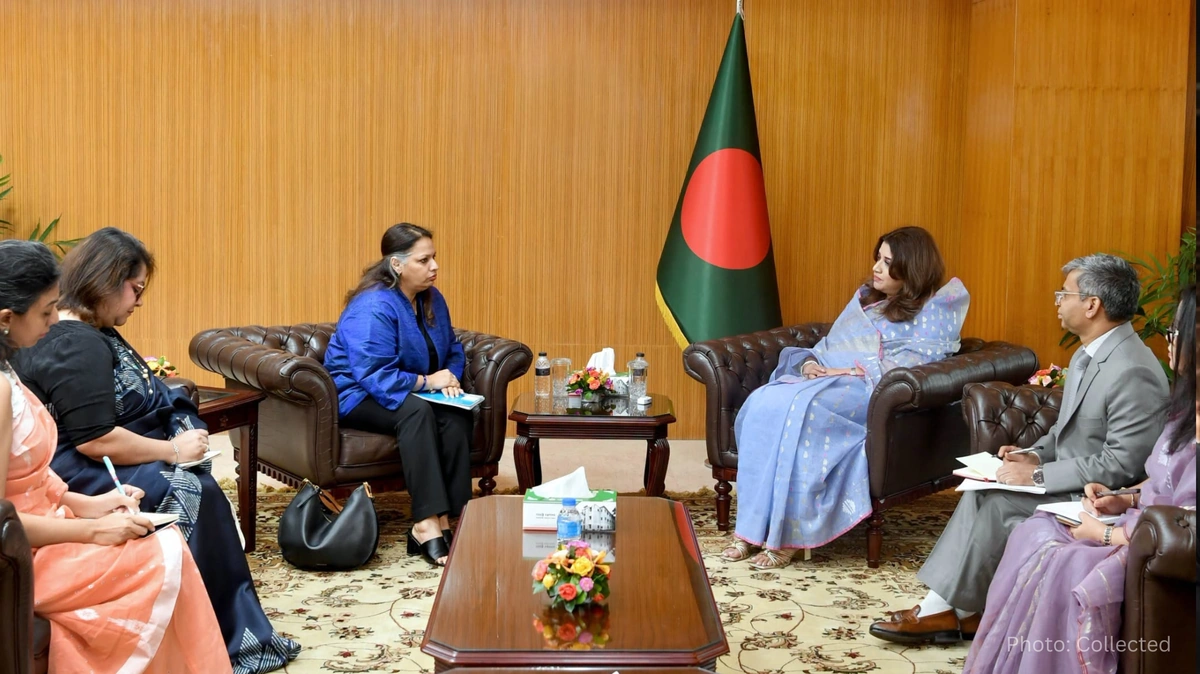
Bangladesh Seeks UN Women Support on Digital Harassment and Women’s Empowerment
-
Bangladesh, Australia Discuss Human Trafficking, Irregular Migration and Rohingya Crisis
-
Bangladesh Plans Internet-Free Access to Mobile Banking and Financial Apps
-

DU to Open Undergraduate Admission Applications on 11 November, Tests Begin 5 December


