Barack Obama Named America's Most Popular Political Figure in New National Poll
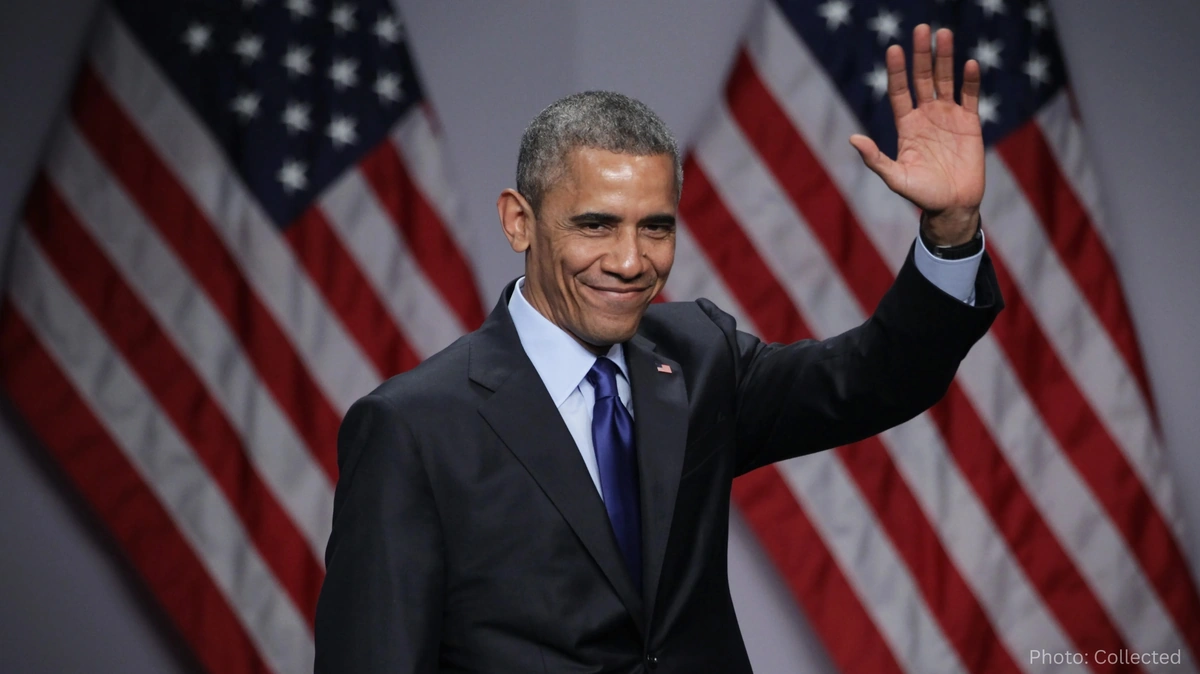
A new nationwide survey has ranked former US President Barack Obama as the country's most popular political figure, with Bernie Sanders and Zohran Mamdani also receiving strong support among Democratic voters, while conservative commentator Tucker Carlson recorded the lowest overall approval rating.
Former United States President Barack Obama has emerged as the most popular political figure in America, according to a newly released nationwide survey that measured public sentiment toward leading politicians and political organizations across the country.
The poll, conducted in June by research organizations Strength In Numbers and Verasight, evaluated how Americans feel about prominent political leaders using a "feeling thermometer" scale ranging from 0 to 100. Respondents were asked to rate political figures based on their overall impressions, with higher scores indicating warmer or more favorable opinions.
Obama topped the rankings with an average score of 52 out of 100, making him the only individual among the 19 political figures and organizations included in the survey to receive a rating above the midpoint of the scale. The findings suggest that the former president continues to enjoy broad public appeal years after leaving office.
According to the survey analysis, Obama maintained a measurable lead over other well-known political figures from both major parties, highlighting his enduring popularity across sections of the American electorate.
Among Democratic leaders, Senator Bernie Sanders ranked second with an average score of 45, followed closely by New York politician Zohran Mamdani, who received 44. The Democratic Party itself, former Transportation Secretary Pete Buttigieg, and Senator Jon Ossoff each earned scores in the low forties, reflecting relatively favorable public perceptions.
Representative Alexandria Ocasio-Cortez, former Vice President Kamala Harris, and Secretary of State Marco Rubio each recorded an average score of 41. Rubio stood out as the highest-rated Republican politician in the overall national rankings.
The survey also highlighted a noticeable gap between the popularity of Democratic and Republican figures among the broader public. Former President Donald Trump received an overall rating of 38, matching the score earned by Vice President JD Vance.
At the opposite end of the rankings, conservative television personality Tucker Carlson received the lowest overall score, recording an average rating of 28. Senate Minority Leader Chuck Schumer and Senate Majority Leader John Thune also ranked among the least favored public figures, each receiving a score of 30.
Researchers noted that the results represent overall national sentiment rather than support among individual political parties.
When responses were analyzed according to party affiliation, Democratic voters expressed particularly strong support for progressive leaders. Bernie Sanders and Zohran Mamdani shared the highest rating among Democratic respondents, each receiving a score of 72.
Representative Alexandria Ocasio-Cortez followed closely with a score of 70, while Kamala Harris earned 68. Pete Buttigieg received 67, and California Governor Gavin Newsom recorded 64, indicating continued support for several prominent Democratic figures.
Among Republican respondents, JD Vance and Marco Rubio emerged as the party's most popular leaders, both receiving ratings of 68. Interestingly, Tucker Carlson's support remained considerably lower even within Republican circles, where he received a score of 40.
The poll comes at a time when internal discussions continue within the Democratic Party regarding its future direction, particularly following recent election victories by progressive candidates supported by Zohran Mamdani in New York's Democratic primaries. Those developments have renewed debate over the growing influence of progressive voices within the party.
Researchers explained that the survey relied on the widely used "feeling thermometer" approach, a method commonly employed in political science to measure public attitudes toward political figures. Participants who were familiar with each individual were asked to rate their feelings from zero, representing very unfavorable opinions, to one hundred, indicating very favorable impressions.
The report also cautioned that politicians with lower public recognition may experience changes in their ratings over time as voters become more familiar with them through media coverage and future political campaigns.
The findings offer a snapshot of the current political landscape in the United States, illustrating the varying levels of public approval enjoyed by leading figures across the political spectrum. While Barack Obama continues to command the strongest overall support, the survey also reflects evolving dynamics within both major political parties as they prepare for future electoral contests and shifting voter priorities.
Related News





You may like




Tom Holland Says Marvel Has a Plan for the Next Spider-Man
August 1, 2026
Elected News
-
Bangladesh Seeks UN Women Support on Digital Harassment and Women’s Empowerment
-
Bangladesh, Australia Discuss Human Trafficking, Irregular Migration and Rohingya Crisis
-
Bangladesh Plans Internet-Free Access to Mobile Banking and Financial Apps
-
DU to Open Undergraduate Admission Applications on 11 November, Tests Begin 5 December


