Rohingya Crisis Deepens as Funding Shortfalls, Monsoon Disasters and Regional Instability Intensify Humanitarian Concerns
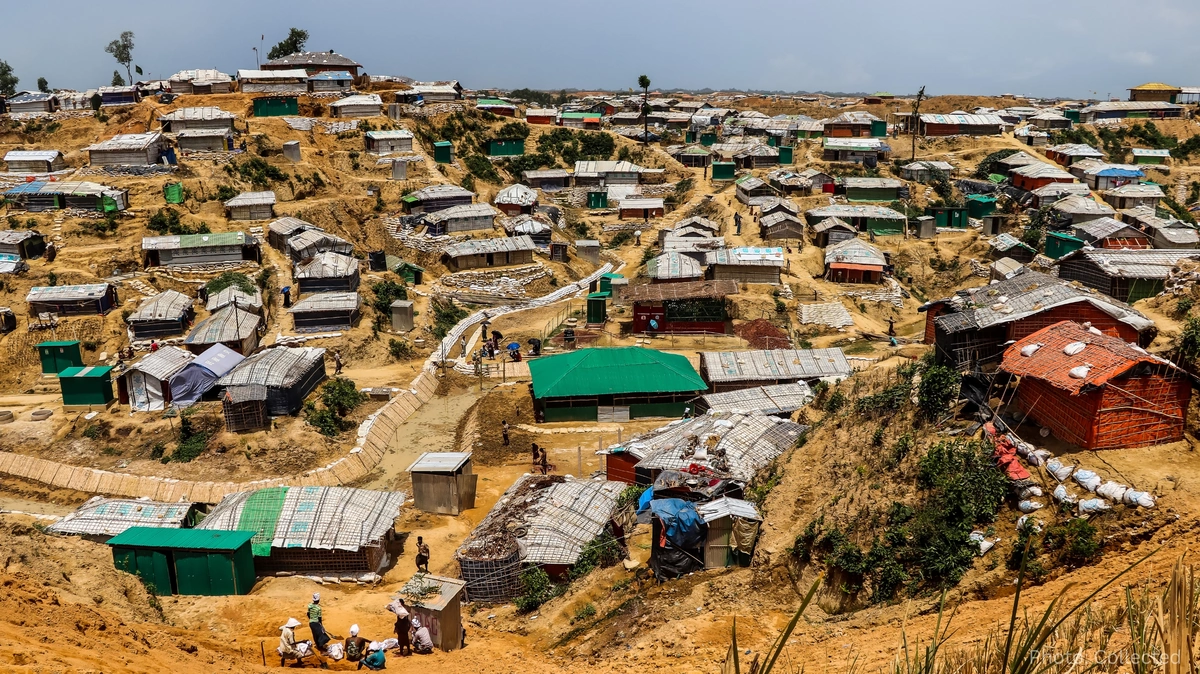
The humanitarian situation facing Rohingya refugees in Bangladesh continues to deteriorate as declining international aid, deadly monsoon weather and ongoing instability in Myanmar increase pressure on refugee camps and humanitarian agencies.
The Rohingya refugee crisis remains one of the world's largest and most complex humanitarian emergencies, with more than 1.2 million Rohingya refugees continuing to live in camps across Bangladesh while prospects for a safe and voluntary return to Myanmar remain uncertain.
Humanitarian organizations have warned that conditions inside the camps are becoming increasingly difficult as international funding declines. Aid agencies say financial shortages have forced some organizations to reduce or suspend essential services, affecting food assistance, healthcare, education and protection programmes for refugees.
The 2026 Joint Response Plan for the Rohingya refugee response is seeking approximately $710.5 million to support around 1.6 million people, including Rohingya refugees living in Cox's Bazar and Bhasan Char as well as vulnerable host communities in southeastern Bangladesh. Humanitarian partners say sustained international support remains essential as the crisis enters its ninth year.
The situation has become even more challenging during the current monsoon season. Heavy rainfall has triggered flooding and landslides across refugee settlements in Cox's Bazar, resulting in casualties and significant damage to shelters built on steep hillsides.
This week, at least eight Rohingya refugees, including women and children, were killed after landslides buried makeshift shelters in several camps. Authorities have relocated around 1,000 refugees from high-risk areas while emergency teams continue monitoring vulnerable locations as additional rainfall is forecast.
Health concerns have also intensified in recent weeks. Humanitarian agencies continue responding to a measles outbreak affecting refugee camps, with vaccination campaigns and disease surveillance being expanded to reduce further transmission among children and other vulnerable groups.
Bangladesh continues to host one of the world's largest refugee populations despite facing its own economic and climate-related challenges. According to humanitarian agencies, nearly 1.19 million registered Rohingya refugees were living in Bangladesh as of early 2026, with women and girls making up just over half of the refugee population.
Meanwhile, the conflict inside Myanmar's Rakhine State continues to complicate efforts toward voluntary repatriation. Ongoing insecurity and changing control of territory have limited prospects for the large-scale return of refugees, despite continued diplomatic engagement between regional stakeholders.
Humanitarian organizations have repeatedly emphasized that any future repatriation must be voluntary, safe, dignified and sustainable, with guarantees for refugees' security and rights before returns can proceed.
The crisis has also placed increasing pressure on surrounding Bangladeshi communities, where demand for healthcare, education, employment opportunities and natural resources has continued to grow alongside the prolonged refugee presence. Aid agencies say continued assistance to both refugees and host communities is necessary to maintain stability in the region.
International organizations have urged governments and donors not to overlook the Rohingya crisis amid competing global humanitarian emergencies. They warn that prolonged funding shortages could further weaken essential services, increase protection risks and deepen hardship for one of the world's most vulnerable displaced populations.
Related News


You may like




Tom Holland Says Marvel Has a Plan for the Next Spider-Man
August 1, 2026
Elected News
-
Bangladesh Seeks UN Women Support on Digital Harassment and Women’s Empowerment
-
Bangladesh, Australia Discuss Human Trafficking, Irregular Migration and Rohingya Crisis
-
Bangladesh Plans Internet-Free Access to Mobile Banking and Financial Apps
-
DU to Open Undergraduate Admission Applications on 11 November, Tests Begin 5 December


