Nepal has changed governments 13 times in 17 years
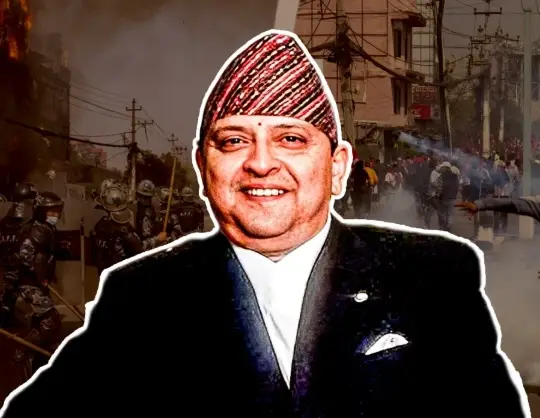
Nepal, the daughter of the Himalayas, is once again in crisis. Prime Minister K.P. Sharma Oli has resigned following two days of intense Gen-Z protests, during which at least 19 people were killed in police firing. Protesters are now demanding the formation of a new government. Over the past 17 years, Nepal has seen 13 changes in government.
Movement, which forced Nepal’s last monarch, King Gyanendra Shah, to relinquish executive powers after mass protests. That movement left at least 18 people dead.
Two years later, in 2008, Nepal’s monarchy was formally abolished through a parliamentary vote, marking the beginning of a new republic.
However, the shift to a republic did not bring political stability. Since 2008, Nepal has witnessed 13 changes in government over a span of just 17 years, fueling growing public frustration and disillusionment.
A protester in Kathmandu told reporters: “We thought that ending the monarchy would bring stability. But year after year, we’ve only seen corruption, political infighting, and a relentless power struggle.”
Even after the monarchy’s abolition, a segment of the population remains in favor of restoring it. In March this year, two people were killed in clashes with police during a rally in Kathmandu demanding the return of the monarchy.
According to Al Jazeera, although Prime Minister K.P. Sharma Oli has stepped down, a political resolution is far from guaranteed. If protesters push for the complete dissolution of the government, the country could descend further into uncertainty.
Analysts warn that unless a new leadership emerges quickly and an effective political consensus is reached, Nepal risks entering yet another prolonged period of instability.
Two years later, in 2008, Nepal’s monarchy was formally abolished through a parliamentary vote, marking the beginning of a new republic.
However, the shift to a republic did not bring political stability. Since 2008, Nepal has witnessed 13 changes in government over a span of just 17 years, fueling growing public frustration and disillusionment.
A protester in Kathmandu told reporters: “We thought that ending the monarchy would bring stability. But year after year, we’ve only seen corruption, political infighting, and a relentless power struggle.”
Even after the monarchy’s abolition, a segment of the population remains in favor of restoring it. In March this year, two people were killed in clashes with police during a rally in Kathmandu demanding the return of the monarchy.
According to Al Jazeera, although Prime Minister K.P. Sharma Oli has stepped down, a political resolution is far from guaranteed. If protesters push for the complete dissolution of the government, the country could descend further into uncertainty.
Analysts warn that unless a new leadership emerges quickly and an effective political consensus is reached, Nepal risks entering yet another prolonged period of instability.
Related News

You may like




Tom Holland Says Marvel Has a Plan for the Next Spider-Man
August 1, 2026
Elected News
-
Bangladesh Seeks UN Women Support on Digital Harassment and Women’s Empowerment
-
Bangladesh, Australia Discuss Human Trafficking, Irregular Migration and Rohingya Crisis
-

Bangladesh Plans Internet-Free Access to Mobile Banking and Financial Apps
-
DU to Open Undergraduate Admission Applications on 11 November, Tests Begin 5 December


