Netanyahu Confirms Re-Election Bid as Israel Prepares for Crucial Post-War Vote

Israeli Prime Minister Benjamin Netanyahu has officially confirmed he will seek another term in office, ending speculation about his political future and setting the stage for a high-stakes national election expected later this year amid ongoing regional tensions and domestic political divisions.
Israeli Prime Minister Benjamin Netanyahu will contest the country's upcoming general election, his Likud Party announced on Wednesday, dismissing speculation over whether the veteran leader intended to remain in politics after one of the most turbulent periods in Israel's modern history.
The confirmation came shortly after remarks attributed to US President Donald Trump raised questions about Netanyahu's future plans. According to reports, Trump said he was uncertain whether the Israeli premier would seek another term, noting that Netanyahu had already enjoyed a long and influential political career.
In response, Netanyahu's Likud Party issued a brief but unequivocal statement confirming that the prime minister would stand in the next election and expressing confidence in his chances of securing another victory.
Although Israel has not yet formally announced an election date, the vote must be held by October under the country's political timetable. The upcoming contest is expected to be one of the most consequential elections in recent Israeli history, taking place against the backdrop of war, regional instability and growing public debate over national leadership.
The election will be the first national vote since the October 7, 2023 Hamas attack, widely regarded as one of the most significant security failures in Israel's history. The attack triggered a prolonged military campaign in Gaza and contributed to a broader period of conflict involving Lebanon, Iran and other regional actors.
Netanyahu returned to power in December 2022 at the head of a right-wing coalition government. His administration faced widespread protests even before the outbreak of war, with critics challenging proposed judicial reforms and accusing the government of undermining democratic institutions.
Since then, the prime minister has navigated multiple security crises while facing continued political opposition at home. Several public opinion surveys have suggested declining support for the governing coalition, with many voters expressing dissatisfaction over the handling of security and governance issues.
A recent poll conducted by the Jerusalem-based Israel Democracy Institute found that a majority of Israelis believe Netanyahu should not seek another term. However, opposition parties remain fragmented, and analysts note that forming an alternative governing coalition could prove difficult without support from Arab political parties, an option some opposition leaders have been reluctant to pursue.
Relations between Netanyahu and Trump have also attracted attention in recent months. While both leaders have publicly emphasized their close ties, reports indicate occasional disagreements over regional security policies, particularly regarding military operations and diplomatic efforts in the Middle East.
Netanyahu is also continuing to confront corruption charges that he has consistently denied. Despite the legal challenges and political headwinds, the Israeli leader appears determined to remain at the center of national politics as the country heads toward a pivotal election.
With security concerns, economic pressures and regional diplomacy expected to dominate the campaign, the upcoming vote is likely to shape Israel's political direction for years to come.
Related News


You may like




Tom Holland Says Marvel Has a Plan for the Next Spider-Man
August 1, 2026
Elected News
-
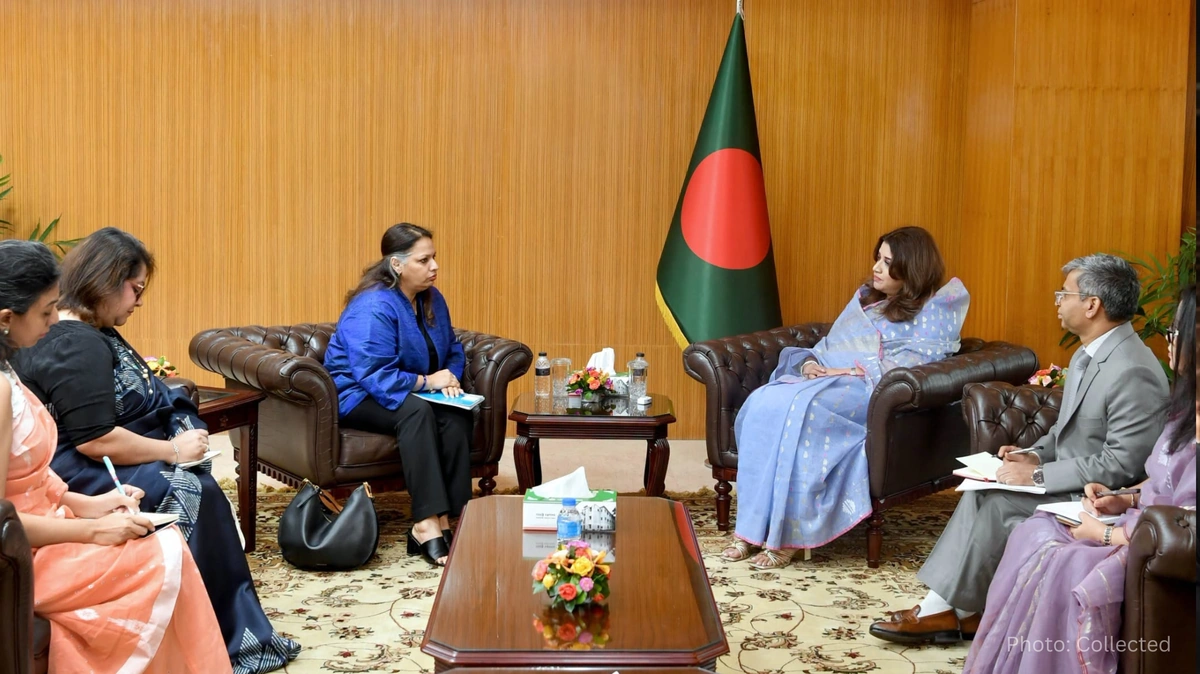
Bangladesh Seeks UN Women Support on Digital Harassment and Women’s Empowerment
-

Bangladesh, Australia Discuss Human Trafficking, Irregular Migration and Rohingya Crisis
-

Bangladesh Plans Internet-Free Access to Mobile Banking and Financial Apps
-

DU to Open Undergraduate Admission Applications on 11 November, Tests Begin 5 December


