Russia Charges Telegram Founder Pavel Durov With Aiding Terrorism, Escalating Tech Crackdown
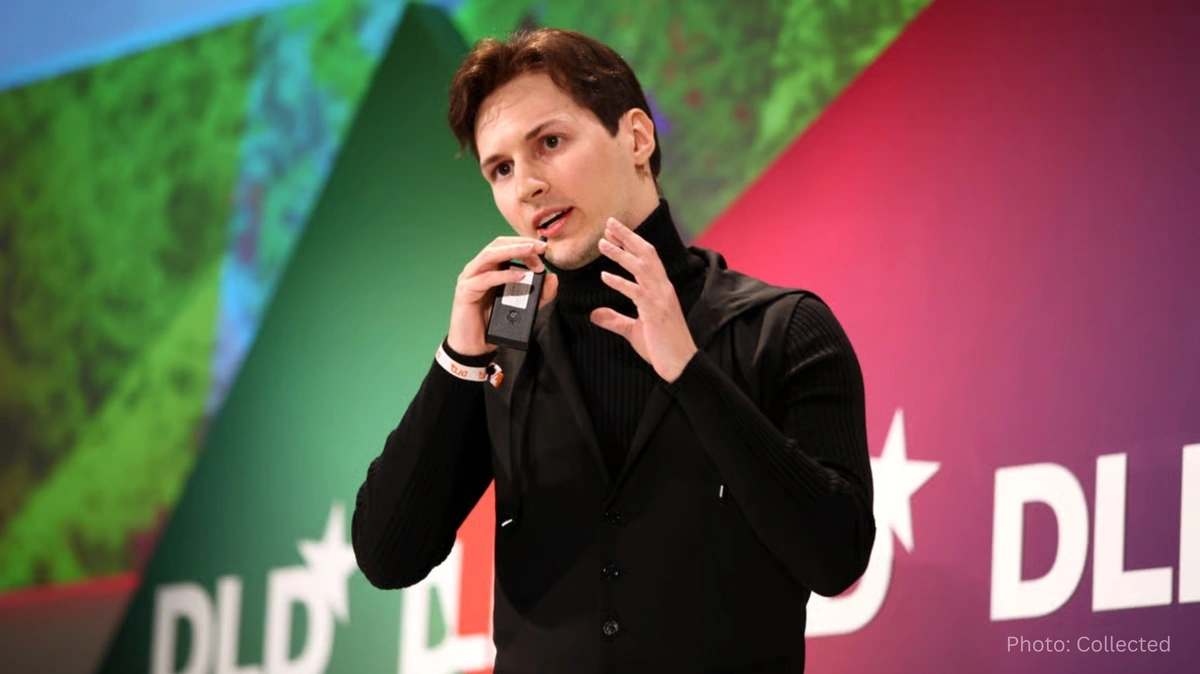
Moscow accuses Telegram of facilitating terrorist recruitment through its platform as Pavel Durov rejects the allegations and responds defiantly amid growing tensions with Russian authorities.
Russia has formally charged Telegram founder Pavel Durov with facilitating terrorist activity, accusing the messaging platform of being exploited by Ukrainian intelligence services to recruit individuals for attacks inside Russian territory. The move marks a significant escalation in Moscow’s long-running dispute with the billionaire entrepreneur and one of the world’s most influential messaging platforms.
The charges were announced on Tuesday by Russia’s Federal Security Service (FSB), which alleged that Telegram had become a key tool for organizing sabotage operations targeting Russian infrastructure and law enforcement. According to the agency, investigators concluded that the platform had been used to coordinate activities that threaten national security.
Shortly after the announcement, Telegram’s official account on X responded by posting an image of Durov making an obscene gesture with his middle finger, a move widely interpreted as a direct rejection of the accusations and Russia’s legal action.
Russian authorities said the investigation centered on a chatbot known as “Daivinchik/Leo,” a popular dating service operating on Telegram. The FSB claimed Ukrainian intelligence agents allegedly used fake identities, often posing as young women, to establish contact with Russian citizens before persuading or coercing them into carrying out sabotage and terrorist acts.
According to the security agency, 46 Russian nationals between the ages of 12 and 22 have been arrested over the past year after allegedly being recruited through the chatbot. Investigators claim the suspects were linked to attacks on law enforcement officers and attempts to damage transport networks, energy facilities, communication systems and financial infrastructure.
Ukraine has not publicly responded to the allegations.
Russian officials also announced that Durov would be placed on an international wanted list. However, the FSB did not specify the legal mechanism through which such a request would be pursued or whether it intended to seek an Interpol Red Notice. Interpol has not commented on the matter, while legal experts note that any international request could take considerable time to process.
The case places renewed attention on Durov’s international status. The Russian-born entrepreneur currently holds Emirati and French citizenship and is believed to reside primarily in Dubai. While the United Arab Emirates maintains close economic and diplomatic relations with Russia, analysts suggest that extraditing Durov could raise complex legal and political questions, potentially affecting the country’s reputation as a global technology and business hub.
Durov’s current location remains uncertain. He recently indicated through social media that he had been visiting Georgia, but no official information has confirmed his whereabouts since the latest charges were announced.
The latest accusations come after years of tension between Durov and Russian authorities. He founded VKontakte, often described as Russia’s equivalent of Facebook, before leaving the company and departing the country in 2014 following disputes with the government. He later established Telegram, which has grown into one of the world’s largest messaging platforms with hundreds of millions of users.
Although Russia has previously attempted to restrict Telegram’s operations, the platform continues to play a prominent role in the country. Government institutions, including the Kremlin and the Ministry of Defence, regularly publish official updates on Telegram despite broader efforts to limit access to foreign technology services. Many Russian users now rely on virtual private networks (VPNs) to access the platform.
Telegram has also become a critical communication channel throughout the Russia-Ukraine conflict, serving government officials, military personnel, journalists and influential commentators on both sides. Its widespread use has transformed it into one of the conflict’s primary information platforms.
The latest charges follow legal challenges Durov has faced elsewhere. In 2024, French authorities arrested him as part of an investigation into whether Telegram had failed to adequately address criminal activity and cooperate with law enforcement requests. He was later released while the investigation continued.
Durov has consistently denied wrongdoing, arguing that Telegram meets or exceeds its legal obligations regarding content moderation and cooperation with authorities while continuing to defend users’ rights to privacy and freedom of expression.
Earlier this year, Durov disclosed that Russian investigators had delivered a legal summons to an apartment where he had lived decades earlier. Responding publicly at the time, he suggested the authorities were targeting him for defending constitutional protections guaranteeing freedom of speech and private correspondence.
With terrorism charges now formally filed, the legal confrontation between Moscow and the Telegram founder has entered a new phase, adding further uncertainty to the future of one of the world's most influential communication platforms.
Related News





You may like




Tom Holland Says Marvel Has a Plan for the Next Spider-Man
August 1, 2026
Elected News
-
Bangladesh Seeks UN Women Support on Digital Harassment and Women’s Empowerment
-
Bangladesh, Australia Discuss Human Trafficking, Irregular Migration and Rohingya Crisis
-
Bangladesh Plans Internet-Free Access to Mobile Banking and Financial Apps
-
DU to Open Undergraduate Admission Applications on 11 November, Tests Begin 5 December


