Trump Threatens to Seize Iran's Kharg Island as US-Iran Strikes Intensify
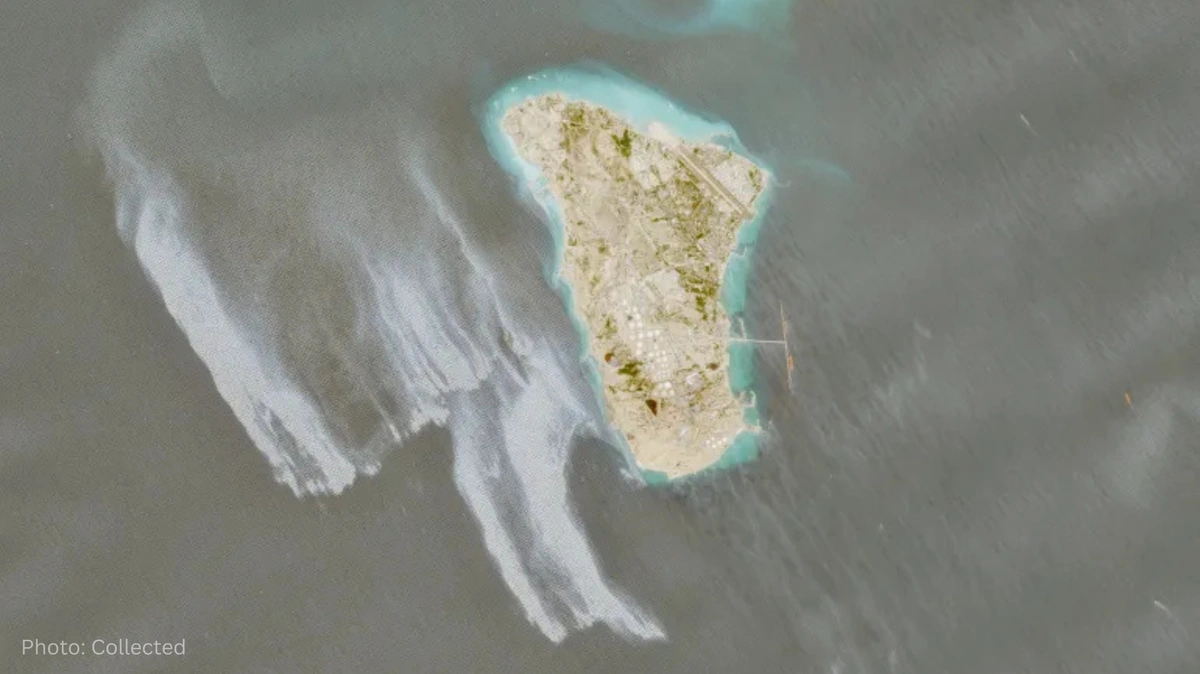
US President Donald Trump has warned that American forces could target and take control of Iran's strategically vital Kharg Island, escalating fears that renewed military action may derail fragile ceasefire negotiations between Washington and Tehran.
United States President Donald Trump has issued one of his strongest warnings yet against Iran, declaring that American forces would strike the country "very hard" and could eventually seize Kharg Island, the hub of Iran's oil exports, as tensions between the two nations continue to rise.
In a post published on his Truth Social platform on Thursday, Trump claimed that the United States military was prepared to launch additional attacks against Iranian targets following two days of escalating hostilities between the longtime adversaries.
"The United States will be hitting Iran very hard tonight," Trump wrote, asserting that Iran's naval, air defence and offensive capabilities had already been significantly weakened.
He further stated that the United States would eventually be "taking Kharg Island" and other critical oil infrastructure sites, adding that Washington could assume control over Iran's oil and gas markets in the future.
Kharg Island occupies a critical position in Iran's economy, processing roughly 90 percent of the country's crude oil exports. Due to its military importance and restricted access, the island is often referred to as Iran's "Forbidden Island."
Trump's remarks have raised concerns that the latest confrontation could undermine ongoing diplomatic efforts aimed at achieving a lasting ceasefire. Although negotiations have continued behind the scenes, recent military exchanges have cast doubt over the prospects of a breakthrough.
In a subsequent interview with Fox News, Trump described the capture of Kharg Island as his preferred option but acknowledged domestic concerns about a deeper military involvement.
"I don't know that America has the stomach for it," he said, while reiterating his opposition to deploying large numbers of US ground troops inside Iran.
Iranian officials reacted sharply to the latest developments. Kazem Gharibabadi, Iran's deputy foreign minister for legal and international affairs, argued that recent American strikes had effectively nullified any existing pause in hostilities.
Iranian media reported that US attacks targeted several strategic locations, including Bandar Abbas, Qeshm Island, Sirik, Minab and areas near Karaj. Tehran has responded by launching attacks on US military installations in Bahrain, Kuwait and Jordan.
The conflict has also expanded into the maritime domain. Iran announced the closure of the Strait of Hormuz, one of the world's most important energy corridors through which a significant portion of global oil supplies passes. The move heightened concerns over disruptions to international energy markets and regional stability.
Despite the aggressive rhetoric, analysts suggest Washington may still be pursuing negotiations while applying military pressure to gain leverage.
Observers note that the Trump administration faces mounting pressure to secure a diplomatic agreement viewed as stronger than the 2015 nuclear accord, formally known as the Joint Comprehensive Plan of Action (JCPOA), from which Trump withdrew during his previous term in office.
Meanwhile, US Treasury Secretary Scott Bessent warned that Iran would face severe financial consequences for any attacks on American allies in the Gulf region, indicating that frozen Iranian assets abroad could become part of future pressure tactics.
As both nations continue to exchange threats and military strikes, fears are growing that the crisis could spiral into a wider regional conflict with global economic implications.
Diplomatic channels remain open, but with inflammatory rhetoric and battlefield escalation unfolding simultaneously, hopes for a sustainable ceasefire appear increasingly uncertain.
Related News


You may like




Tom Holland Says Marvel Has a Plan for the Next Spider-Man
August 1, 2026
Elected News
-
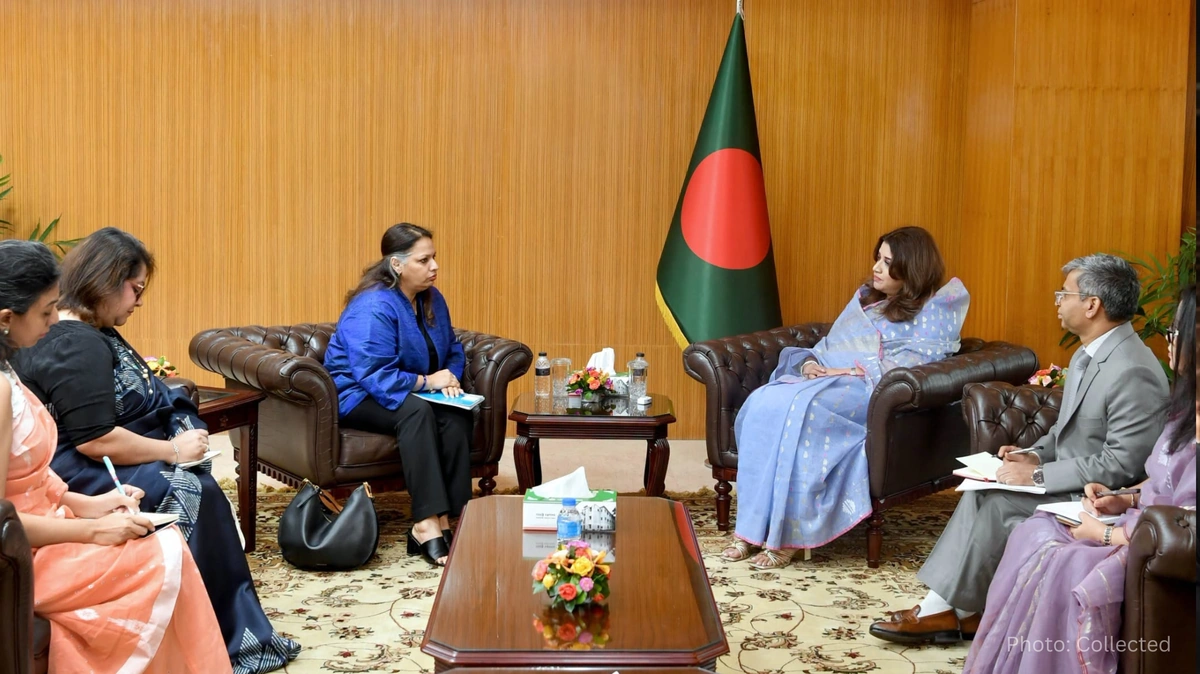
Bangladesh Seeks UN Women Support on Digital Harassment and Women’s Empowerment
-

Bangladesh, Australia Discuss Human Trafficking, Irregular Migration and Rohingya Crisis
-

Bangladesh Plans Internet-Free Access to Mobile Banking and Financial Apps
-

DU to Open Undergraduate Admission Applications on 11 November, Tests Begin 5 December


