US-Iran Peace Agreement Outlines 14 Points but Leaves Key Issues Unresolved
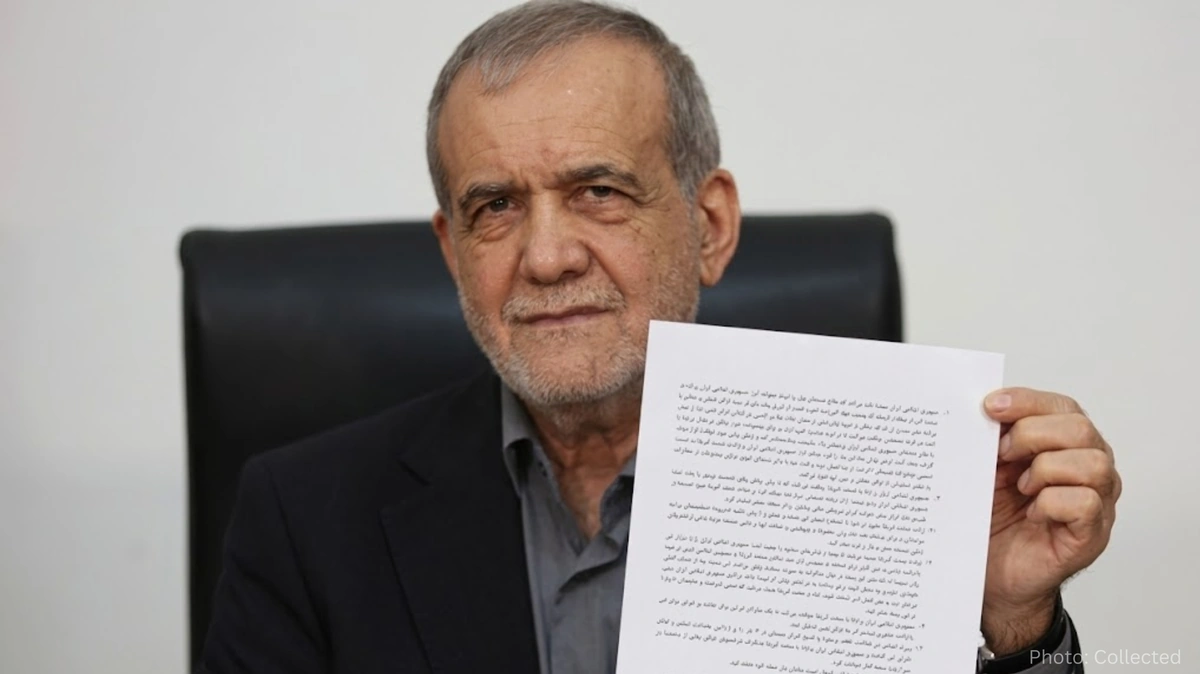
The United States and Iran have outlined a 14-point memorandum of understanding aimed at ending months of regional conflict and easing tensions across the Middle East. While the agreement addresses military operations, sanctions, maritime security and Iran’s nuclear programme, analysts say several critical questions remain unanswered.
The United States and Iran have unveiled details of a 14-point memorandum of understanding (MoU) designed to end recent hostilities and establish a framework for long-term stability in the Middle East. The agreement, announced following diplomatic negotiations between Washington and Tehran, marks one of the most significant developments in US-Iran relations in recent years.
Although neither side has publicly released the full document, US officials outlined the contents of the agreement, which covers issues ranging from military operations and sanctions to maritime security and Iran’s nuclear activities. However, experts caution that many practical and political challenges remain unresolved.
One of the most closely watched aspects of the agreement concerns Lebanon. According to the memorandum, both countries have agreed to support the immediate and permanent cessation of military operations across all fronts, including Lebanon. The document also emphasizes respect for Lebanon’s sovereignty and territorial integrity.
Despite this commitment, questions persist regarding how such provisions will be implemented. Neither Israel nor Hezbollah is a signatory to the agreement, leaving uncertainty over enforcement mechanisms and the future of military activities in the region. Analysts note that the memorandum does not directly address Iran’s relationship with regional armed groups, a longstanding source of tension between Tehran and its adversaries.
The agreement also includes language emphasizing mutual respect for sovereignty and non-interference in domestic affairs. Observers interpret this as a signal that Washington is no longer actively pursuing regime change in Iran, a subject that had generated significant speculation during the conflict. The clause is viewed as an effort to establish a more stable diplomatic foundation between the two countries.
Maritime security in the Strait of Hormuz remains another major component of the agreement. The memorandum states that the United States will gradually remove its naval blockade and withdraw associated military forces within a specified timeframe. In return, Iran has pledged to facilitate the safe passage of commercial vessels through the strategically vital waterway.
The Strait of Hormuz serves as one of the world's most important energy transit routes, carrying a significant portion of global oil exports. Disruptions during the conflict contributed to heightened shipping costs, increased insurance premiums and concerns about global energy supplies. While the agreement seeks to restore stability, details regarding future maritime administration and potential service fees remain unclear.
Iran’s nuclear programme represents another central element of the memorandum. Tehran has reaffirmed that it does not intend to develop nuclear weapons, while both sides have agreed to establish a mechanism for addressing Iran’s stockpile of enriched uranium.
Rather than transferring the material abroad, the agreement suggests the possibility of downblending enriched uranium under international supervision. This process would reduce enrichment levels to those suitable for civilian nuclear energy purposes and is widely regarded as an irreversible step. Analysts believe the provision could become one of the most consequential outcomes of the negotiations if successfully implemented.
Economic recovery also features prominently in the agreement. The memorandum outlines plans for a large-scale reconstruction and development initiative aimed at supporting Iran’s post-conflict recovery. While details regarding funding sources have not been fully disclosed, the proposal envisions substantial international participation in rebuilding infrastructure and stimulating economic growth.
Additionally, the agreement commits the United States to a phased removal of sanctions imposed on Iran. However, officials have not clarified the timeline, scope or whether international sanctions frameworks will also be affected. The issue remains particularly important for Tehran, which has long sought access to frozen assets and greater integration into the global economy.
Diplomatic observers describe the memorandum as a potentially transformative step in reducing regional tensions. Nevertheless, they caution that its success will depend heavily on implementation, verification mechanisms and the willingness of regional actors to support the broader peace process.
As negotiations continue and further details emerge, governments and international organizations will closely monitor whether the agreement can translate diplomatic commitments into lasting stability across the Middle East.
Related News




You may like




Tom Holland Says Marvel Has a Plan for the Next Spider-Man
August 1, 2026
Elected News
-
Bangladesh Seeks UN Women Support on Digital Harassment and Women’s Empowerment
-
Bangladesh, Australia Discuss Human Trafficking, Irregular Migration and Rohingya Crisis
-
Bangladesh Plans Internet-Free Access to Mobile Banking and Financial Apps
-
DU to Open Undergraduate Admission Applications on 11 November, Tests Begin 5 December


