Bangladesh's HSC Standard Comparable to Singapore's Grade Six, Says State Minister Bobby Hajjaj in Parliament
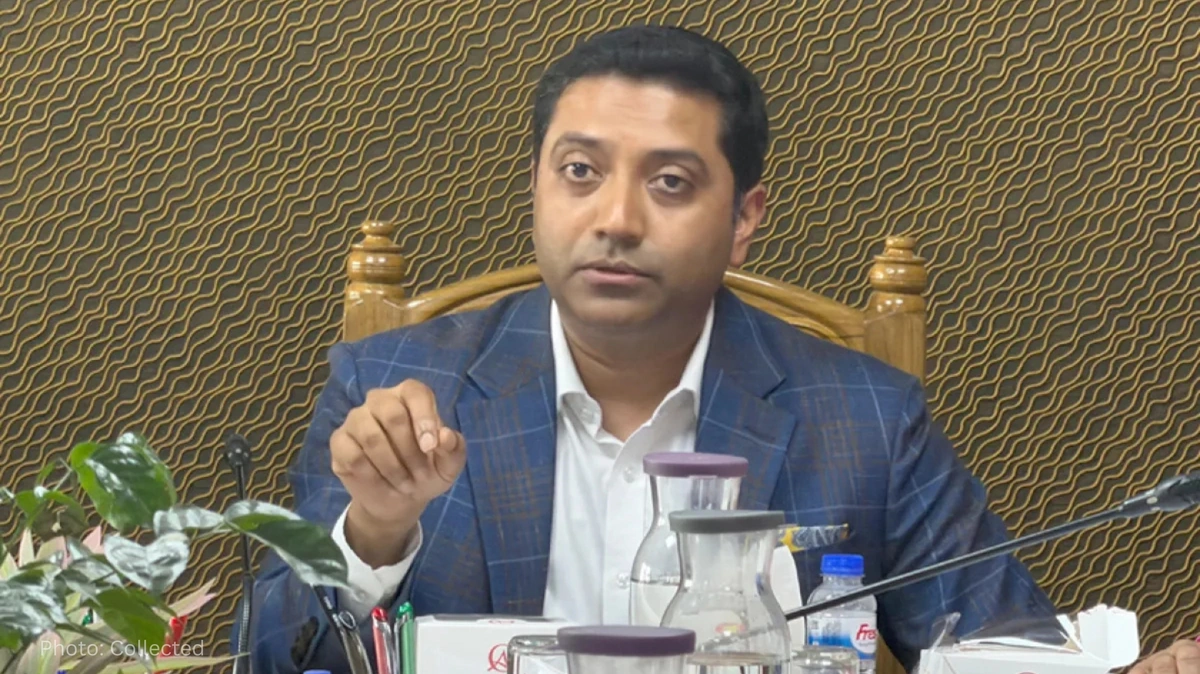
The State Minister for Primary and Mass Education blamed years of neglect for the decline in educational standards, saying the government has launched an ambitious reform agenda to modernise the sector and restore quality.
State Minister for Primary and Mass Education Bobby Hajjaj has sparked debate in parliament after claiming that Bangladesh's current Higher Secondary Certificate (HSC) standard is often considered equivalent to Singapore's sixth-grade level, underscoring what he described as a deep-rooted crisis in the country's education system.
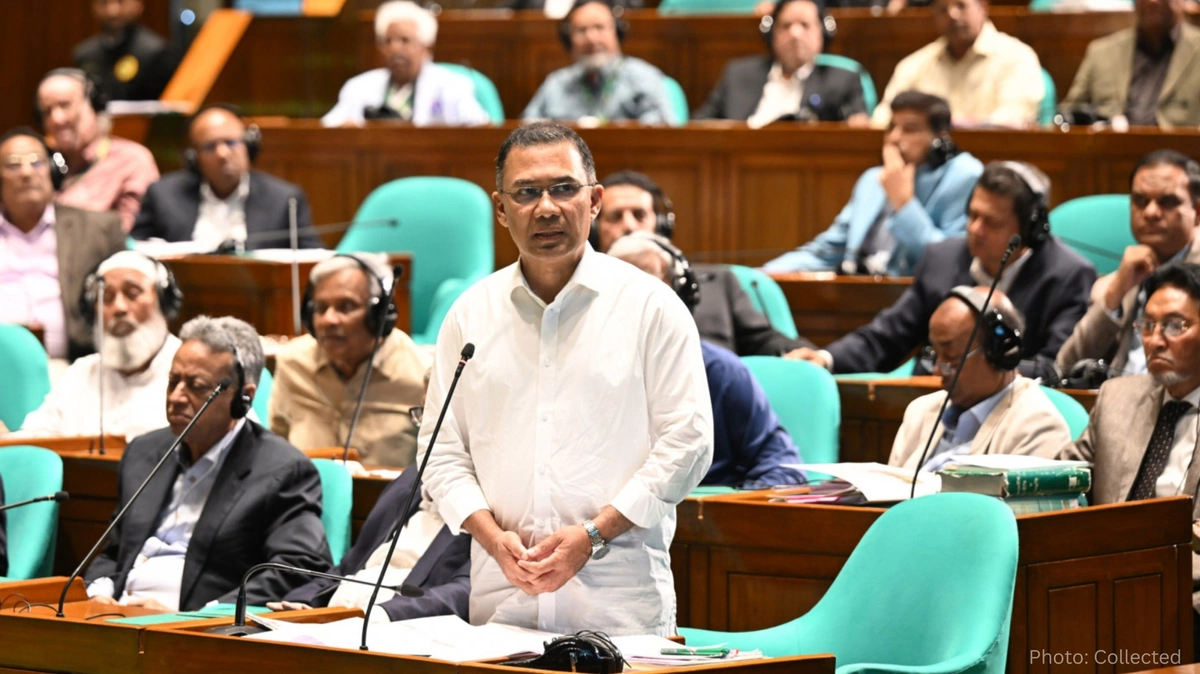
Speaking during the general discussion on the supplementary budget for the 2025-26 fiscal year at the second session of the 13th National Parliament on Sunday, Hajjaj said decades of negligence had significantly weakened the quality of education in Bangladesh.
The parliamentary session was chaired by Deputy Speaker Barrister Qaiser Kamal.
Addressing lawmakers, the minister criticised what he termed the "anarchy" that had prevailed in the education sector over the past two decades, arguing that the consequences are now evident in students' academic performance.
"Our university admission examinations reveal the extent of the problem, as many students struggle to qualify," Hajjaj said. "There is a perception that Bangladesh's HSC level is comparable to Singapore's sixth grade. We cannot continue to accept this reality."
He said the government has formulated a comprehensive plan to overhaul the education system, with reforms focusing on curriculum development, transparent teacher recruitment, enhanced teacher training and improvements in educational infrastructure.
According to the minister, these initiatives aim to elevate Bangladesh's education standards to international levels and equip future generations with the skills needed to compete globally.
Hajjaj also announced plans to introduce sports and cultural education into the curriculum beginning from the fourth and fifth grades of primary school. He argued that extracurricular activities play a vital role in children's overall development and should be treated as an essential component of education rather than an optional addition.
Responding to criticism from opposition groups regarding the inclusion of cultural subjects, the state minister expressed disappointment over what he described as politically motivated misinformation.
"Some political opponents are spreading propaganda that cultural education will lead children astray," he said. "Such attitudes reflect a narrow mindset that must change if we are to build an enlightened and progressive society."
Highlighting the broader economic vision behind the national budget, Hajjaj described the proposed fiscal plan as an "optimistic budget" designed to unlock new opportunities for growth.
He said the budget outlines specific strategies to boost national income through the development of the creative economy and the revitalisation of older industries and factories.
The minister called on opposition parties to engage in constructive criticism while supporting efforts to modernise the country's education system.
"Education reform requires collective commitment," he said. "If we truly want a world-class education system, we must work together instead of creating obstacles to progress."
Hajjaj's remarks are likely to generate discussion among educators, policymakers and the public, particularly his comparison between Bangladesh's HSC standard and Singapore's primary education benchmark. The comments come as the government seeks to implement wide-ranging reforms aimed at improving learning outcomes and restoring confidence in the country's education sector.
Related News
You may like



Tom Holland Says Marvel Has a Plan for the Next Spider-Man
August 1, 2026
Elected News
-
Bangladesh Seeks UN Women Support on Digital Harassment and Women’s Empowerment
-
Bangladesh, Australia Discuss Human Trafficking, Irregular Migration and Rohingya Crisis
-
Bangladesh Plans Internet-Free Access to Mobile Banking and Financial Apps
-
DU to Open Undergraduate Admission Applications on 11 November, Tests Begin 5 December


