Government Approves Narsingdi Medical College Amid Concerns Over Faculty Shortages
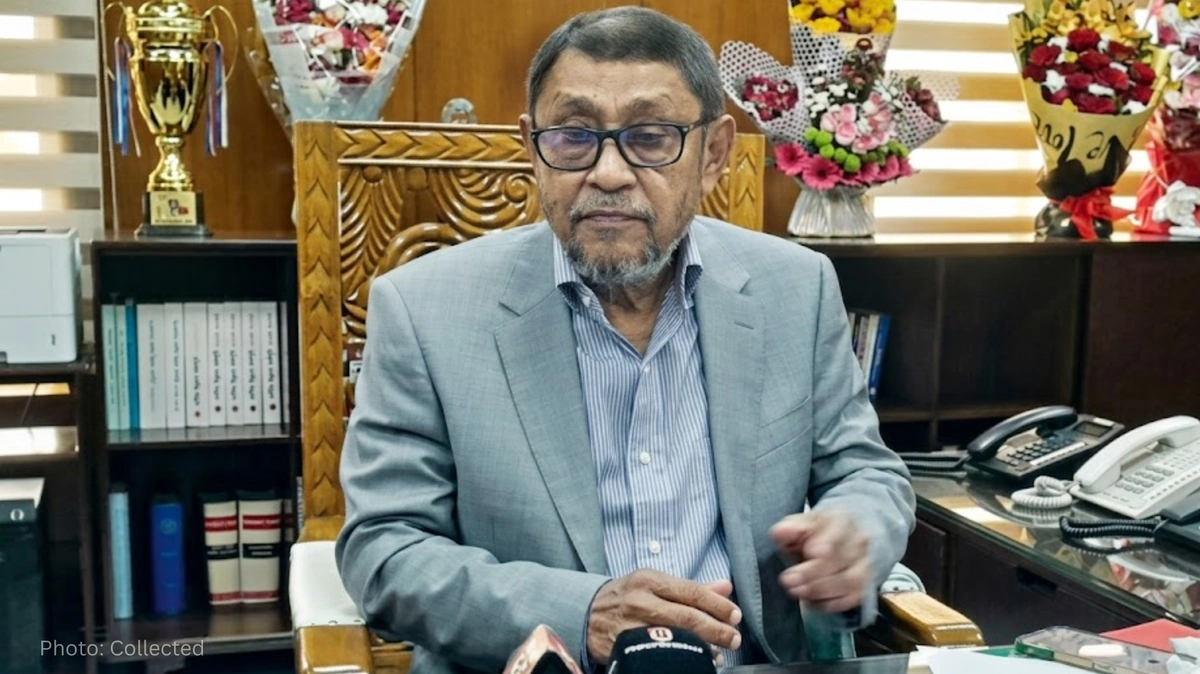
The government has officially approved the establishment of Narsingdi Medical College in the home district of Health Minister Sardar Md Sakhawat Husain Bakul, even as the country's public medical education system continues to grapple with severe teacher shortages and quality concerns.
The government has approved the establishment of Narsingdi Medical College, paving the way for a new public medical institution in Narsingdi district as Bangladesh seeks to expand access to medical education across the country.
The approval was announced on Sunday through an official gazette notification issued by the Medical Education-1 Wing under the Health Education and Family Welfare Division.
According to the notification, signed by Health Education and Family Welfare Division Secretary Md Kamruzzaman Chowdhury, the new institution has been authorised under the Ministry of Health and Family Welfare, with the order taking immediate effect.
Narsingdi holds particular significance as it is the home district of Health Minister Sardar Md Sakhawat Husain Bakul, who represents the Narsingdi-4 constituency in parliament. Following the formation of the current government, the minister reportedly initiated efforts to establish a public medical college in the district to strengthen healthcare education and services in the region.
The addition of Narsingdi Medical College comes as Bangladesh continues to expand its medical education infrastructure. Data from the Directorate General of Medical Education (DGME) show that the country currently has 37 public and 72 private medical colleges. Approvals have also been granted in recent years for public medical colleges in Narayanganj, Munshiganj and Thakurgaon.
However, the expansion of medical institutions has sparked renewed debate over the country's capacity to maintain educational quality and ensure adequate staffing.
According to DGME sources, all 37 existing public medical colleges are facing an acute shortage of teachers. Of the 6,446 approved teaching positions nationwide, approximately 2,700 remain vacant, representing 42.6 percent of the total sanctioned posts.
The shortage is particularly severe at senior academic levels. More than 64 percent of professor positions remain unfilled, raising concerns about the quality of instruction, supervision and specialised training provided to medical students.
Education experts and health officials have repeatedly warned that opening new institutions without addressing staffing gaps could place additional strain on an already stretched system.
Concerns have also emerged regarding the quality of several medical colleges established after 2018. Institutions in Magura, Nilphamari, Habiganj, Chandpur, Naogaon and Netrokona have reportedly faced questions over their academic standards and operational readiness.
A review conducted by the health ministry during the tenure of the interim government found that irregularities in the establishment process of several medical colleges had contributed to a decline in educational quality in both public and private institutions.
The review identified several underlying factors affecting standards, including inadequate infrastructure, a lack of qualified teachers in key disciplines and insufficient patient flow in affiliated teaching hospitals. Health officials noted that these shortcomings can undermine clinical training, which is considered a cornerstone of medical education.
Despite these challenges, the government maintains that expanding the number of public medical colleges remains essential to producing more healthcare professionals and improving access to medical education outside major urban centres.
The approval of Narsingdi Medical College marks another step in Bangladesh's efforts to decentralise medical education and strengthen healthcare capacity nationwide. However, experts caution that the long-term success of such initiatives will depend not only on establishing new institutions but also on ensuring they are equipped with the resources, faculty and infrastructure necessary to uphold academic excellence.
As preparations begin for the launch of the new college, attention is expected to focus on how authorities address the persistent challenges confronting the country's medical education sector while balancing the growing demand for healthcare professionals.
Related News

You may like




Tom Holland Says Marvel Has a Plan for the Next Spider-Man
August 1, 2026
Elected News
-
Bangladesh Seeks UN Women Support on Digital Harassment and Women’s Empowerment
-
Bangladesh, Australia Discuss Human Trafficking, Irregular Migration and Rohingya Crisis
-

Bangladesh Plans Internet-Free Access to Mobile Banking and Financial Apps
-
DU to Open Undergraduate Admission Applications on 11 November, Tests Begin 5 December


