Ekushey February Continues to Inspire Global Recognition of Language Rights and Cultural Identity
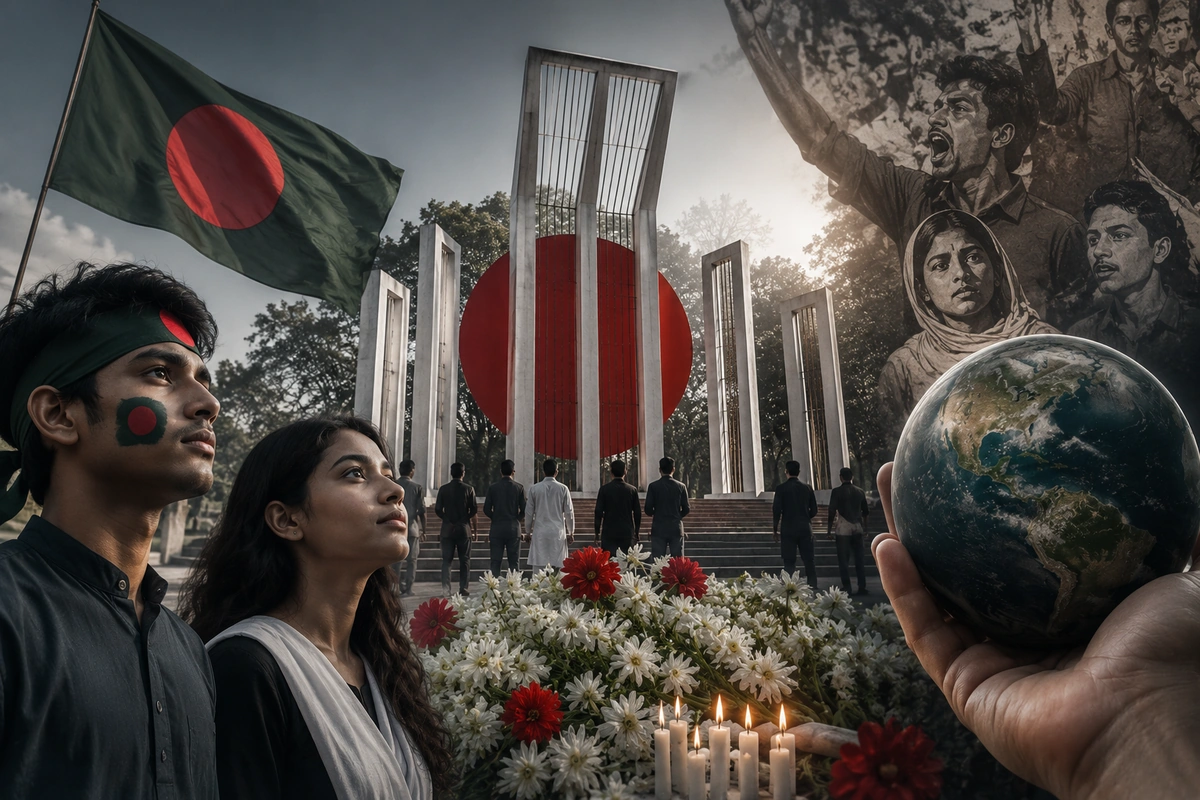
Observed as International Mother Language Day around the world, February 21 honors the sacrifices of Bangladesh's Language Movement martyrs while promoting linguistic diversity, multilingual education and cultural inclusion.
Ekushey February, observed annually on February 21, remains one of Bangladesh's most significant national commemorations and has evolved into a global symbol of the right to speak, preserve and promote one's mother language. The day not only honors the sacrifices of the Language Movement martyrs of 1952 but also serves as a reminder of the importance of protecting linguistic diversity and cultural heritage worldwide.
The origins of Ekushey February date back to 1952, when students and activists in the then East Pakistan protested the decision to make Urdu the sole state language. On February 21, police opened fire on demonstrators near Dhaka Medical College, killing several students, including Salam, Barkat, Rafiq, Jabbar and Shafiur. Their sacrifice became a defining moment in the Bengali Language Movement and later played a significant role in shaping Bangladesh's struggle for self determination and eventual independence in 1971.
Today, Bangladesh observes the day with nationwide programs that begin shortly after midnight. Thousands of people walk barefoot to the Central Shaheed Minar in Dhaka to pay tribute by placing floral wreaths, while schools, universities, cultural organizations and government institutions organize discussions, literary events, art exhibitions and cultural performances celebrating the Bengali language and its rich literary tradition.
The significance of Ekushey February extends far beyond Bangladesh. In 1999, the United Nations Educational, Scientific and Cultural Organization (UNESCO) declared February 21 as International Mother Language Day, recognizing the historical importance of the Language Movement and promoting the preservation of linguistic and cultural diversity around the world. Since 2000, the day has been observed internationally with educational programs and cultural events encouraging multilingualism and respect for all languages.
According to UNESCO, nearly 7,000 languages are spoken across the world, yet many face the risk of disappearing within the coming decades. Experts warn that language loss threatens not only communication but also traditional knowledge, cultural identity and indigenous heritage. UNESCO emphasizes that education in a child's mother language improves learning outcomes, strengthens literacy and helps preserve cultural traditions for future generations.
The United Nations has repeatedly highlighted multilingualism as an important element of inclusive and equitable education. International organizations argue that language rights contribute to social inclusion, equal participation and sustainable development by ensuring people can access education, public services and information in languages they understand.
International media organizations, including Reuters, BBC News and The Associated Press, have regularly highlighted Bangladesh's observance of Ekushey February and the global importance of International Mother Language Day. Coverage often focuses on the symbolic gatherings at the Central Shaheed Minar, UNESCO's recognition of the day and Bangladesh's contribution to promoting language rights on the international stage.
In Bangladesh, the observance of Ekushey February also carries deep emotional and historical significance. Educational institutions organize essay competitions, poetry recitations and discussions on the Language Movement, while publishers and authors participate in the month long Amar Ekushey Book Fair, one of the country's largest cultural events. The fair celebrates Bengali literature, research and intellectual exchange while attracting thousands of readers each year.
Scholars note that the Language Movement established the principle that linguistic identity is closely linked to cultural freedom and democratic participation. The movement continues to inspire efforts around the world to protect minority and indigenous languages, many of which remain vulnerable because of globalization, urbanization and changing educational practices.
Experts believe preserving linguistic diversity requires long term investment in multilingual education, digital language resources, research and community engagement. They argue that governments, educators and cultural institutions all have an important role in ensuring future generations maintain their linguistic heritage while participating in an increasingly interconnected world.
As Bangladesh prepares to observe each Ekushey February, the day continues to represent more than a national remembrance. It stands as a global call to protect every community's right to speak its own language, preserve its cultural identity and pass its traditions to future generations.
Related News
You may like



Tom Holland Says Marvel Has a Plan for the Next Spider-Man
August 1, 2026
Elected News
-
Bangladesh Seeks UN Women Support on Digital Harassment and Women’s Empowerment
-

Bangladesh, Australia Discuss Human Trafficking, Irregular Migration and Rohingya Crisis
-

Bangladesh Plans Internet-Free Access to Mobile Banking and Financial Apps
-
DU to Open Undergraduate Admission Applications on 11 November, Tests Begin 5 December


