Global Fight Against Human Trafficking Intensifies as Governments Strengthen Prevention and Victim Protection
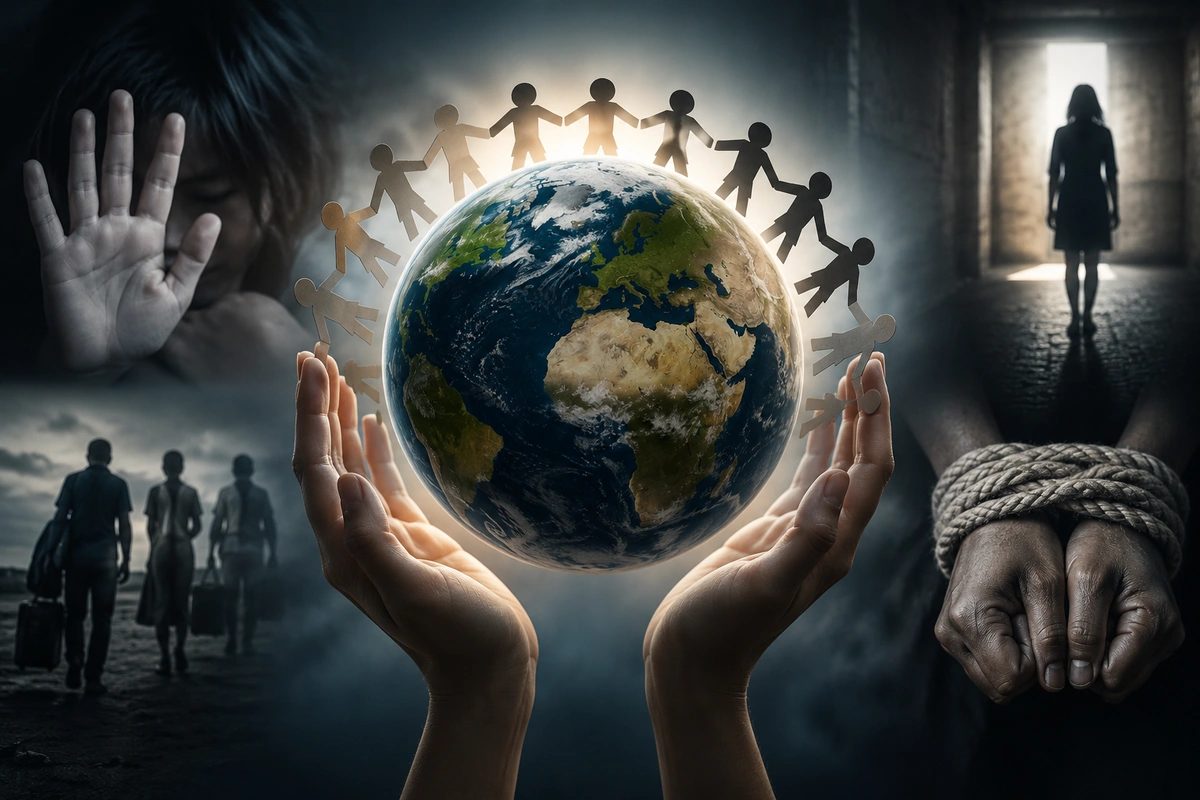
Authorities, international organizations and civil society groups are expanding efforts to combat human trafficking through stronger law enforcement, public awareness campaigns and enhanced support for survivors.
Human trafficking remains one of the world's most widespread forms of organized crime, with millions of people subjected to forced labor, sexual exploitation, forced marriage and other forms of abuse. Governments and international organizations are stepping up prevention efforts while calling for greater international cooperation to dismantle trafficking networks and protect vulnerable communities.
According to the International Labour Organization (ILO), the International Organization for Migration (IOM) and the Walk Free Foundation, nearly 50 million people were living in situations of modern slavery in 2021. Of these, about 27.6 million were trapped in forced labor, while 22 million were living in forced marriages. Women, children, migrants and people facing poverty or conflict remain among the groups most at risk.
The United Nations Office on Drugs and Crime (UNODC) reports that human trafficking affects every region of the world. Victims are trafficked both within their own countries and across international borders for purposes including sexual exploitation, forced labor, domestic servitude, criminal exploitation and child labor. Criminal networks often exploit economic hardship, displacement, unemployment and limited education to recruit or deceive victims.
Children continue to account for a significant share of trafficking victims identified globally. According to UNODC's Global Report on Trafficking in Persons, girls are more frequently trafficked for sexual exploitation, while boys are commonly exploited through forced labor and criminal activities. Experts warn that online platforms and social media have increasingly been used by traffickers to target vulnerable individuals through deceptive job offers, fraudulent recruitment and false promises of education or marriage.
Migration has also become an important factor in trafficking risks. The International Organization for Migration notes that many migrants seeking employment abroad become vulnerable to exploitation when they rely on informal recruitment agencies or irregular migration routes. Unscrupulous recruiters often charge excessive fees, confiscate passports or force workers into abusive conditions after arrival.
South Asia remains one of the regions facing significant trafficking challenges because of poverty, natural disasters, labor migration and porous borders. Bangladesh has strengthened its legal framework through the Prevention and Suppression of Human Trafficking Act, 2012, which criminalizes all forms of human trafficking and provides legal protections for victims. Authorities have also increased cooperation with neighboring countries and international agencies to investigate trafficking networks and improve victim assistance.
According to international rights organizations, trafficking in Bangladesh is linked to labor migration, domestic servitude, child exploitation and forced criminal activities. Government agencies, together with development partners and non governmental organizations, have expanded awareness campaigns in vulnerable communities, particularly in coastal districts and border areas where trafficking risks are considered higher.
Experts say prevention begins with public awareness. Communities are encouraged to verify overseas job offers through licensed recruitment agencies, avoid unofficial travel arrangements and report suspicious activities to law enforcement authorities. Parents are also advised to educate children about online safety and the dangers of sharing personal information with strangers on digital platforms.
Survivor protection has become an increasingly important part of anti trafficking efforts. The United Nations and humanitarian organizations stress that victims require immediate access to safe shelters, healthcare, legal assistance, psychological counseling and vocational training to rebuild their lives. Many countries are also working to improve identification procedures so victims are treated as survivors of crime rather than offenders.
Technology has emerged as both a challenge and an opportunity in combating trafficking. While traffickers increasingly use encrypted messaging applications and online advertisements to recruit victims, law enforcement agencies are also employing artificial intelligence, financial intelligence and cross border data sharing to identify trafficking networks and track illicit financial flows.
The United Nations marks July 30 each year as the World Day Against Trafficking in Persons, highlighting the need for stronger international cooperation and survivor centered responses. Experts emphasize that ending human trafficking requires coordinated action involving governments, law enforcement agencies, businesses, technology companies and local communities.
Although global efforts have expanded in recent years, international organizations warn that trafficking networks continue to adapt to economic crises, conflicts and technological changes. They stress that sustained public awareness, stronger legal enforcement, safer migration systems and improved victim support remain essential to reducing human trafficking and protecting those most at risk.
According to the International Labour Organization (ILO), the International Organization for Migration (IOM) and the Walk Free Foundation, nearly 50 million people were living in situations of modern slavery in 2021. Of these, about 27.6 million were trapped in forced labor, while 22 million were living in forced marriages. Women, children, migrants and people facing poverty or conflict remain among the groups most at risk.
The United Nations Office on Drugs and Crime (UNODC) reports that human trafficking affects every region of the world. Victims are trafficked both within their own countries and across international borders for purposes including sexual exploitation, forced labor, domestic servitude, criminal exploitation and child labor. Criminal networks often exploit economic hardship, displacement, unemployment and limited education to recruit or deceive victims.
Children continue to account for a significant share of trafficking victims identified globally. According to UNODC's Global Report on Trafficking in Persons, girls are more frequently trafficked for sexual exploitation, while boys are commonly exploited through forced labor and criminal activities. Experts warn that online platforms and social media have increasingly been used by traffickers to target vulnerable individuals through deceptive job offers, fraudulent recruitment and false promises of education or marriage.
Migration has also become an important factor in trafficking risks. The International Organization for Migration notes that many migrants seeking employment abroad become vulnerable to exploitation when they rely on informal recruitment agencies or irregular migration routes. Unscrupulous recruiters often charge excessive fees, confiscate passports or force workers into abusive conditions after arrival.
South Asia remains one of the regions facing significant trafficking challenges because of poverty, natural disasters, labor migration and porous borders. Bangladesh has strengthened its legal framework through the Prevention and Suppression of Human Trafficking Act, 2012, which criminalizes all forms of human trafficking and provides legal protections for victims. Authorities have also increased cooperation with neighboring countries and international agencies to investigate trafficking networks and improve victim assistance.
According to international rights organizations, trafficking in Bangladesh is linked to labor migration, domestic servitude, child exploitation and forced criminal activities. Government agencies, together with development partners and non governmental organizations, have expanded awareness campaigns in vulnerable communities, particularly in coastal districts and border areas where trafficking risks are considered higher.
Experts say prevention begins with public awareness. Communities are encouraged to verify overseas job offers through licensed recruitment agencies, avoid unofficial travel arrangements and report suspicious activities to law enforcement authorities. Parents are also advised to educate children about online safety and the dangers of sharing personal information with strangers on digital platforms.
Survivor protection has become an increasingly important part of anti trafficking efforts. The United Nations and humanitarian organizations stress that victims require immediate access to safe shelters, healthcare, legal assistance, psychological counseling and vocational training to rebuild their lives. Many countries are also working to improve identification procedures so victims are treated as survivors of crime rather than offenders.
Technology has emerged as both a challenge and an opportunity in combating trafficking. While traffickers increasingly use encrypted messaging applications and online advertisements to recruit victims, law enforcement agencies are also employing artificial intelligence, financial intelligence and cross border data sharing to identify trafficking networks and track illicit financial flows.
The United Nations marks July 30 each year as the World Day Against Trafficking in Persons, highlighting the need for stronger international cooperation and survivor centered responses. Experts emphasize that ending human trafficking requires coordinated action involving governments, law enforcement agencies, businesses, technology companies and local communities.
Although global efforts have expanded in recent years, international organizations warn that trafficking networks continue to adapt to economic crises, conflicts and technological changes. They stress that sustained public awareness, stronger legal enforcement, safer migration systems and improved victim support remain essential to reducing human trafficking and protecting those most at risk.
🏷️ Tags:
#Human Trafficking
Related News

You may like




Tom Holland Says Marvel Has a Plan for the Next Spider-Man
August 1, 2026
Elected News
-
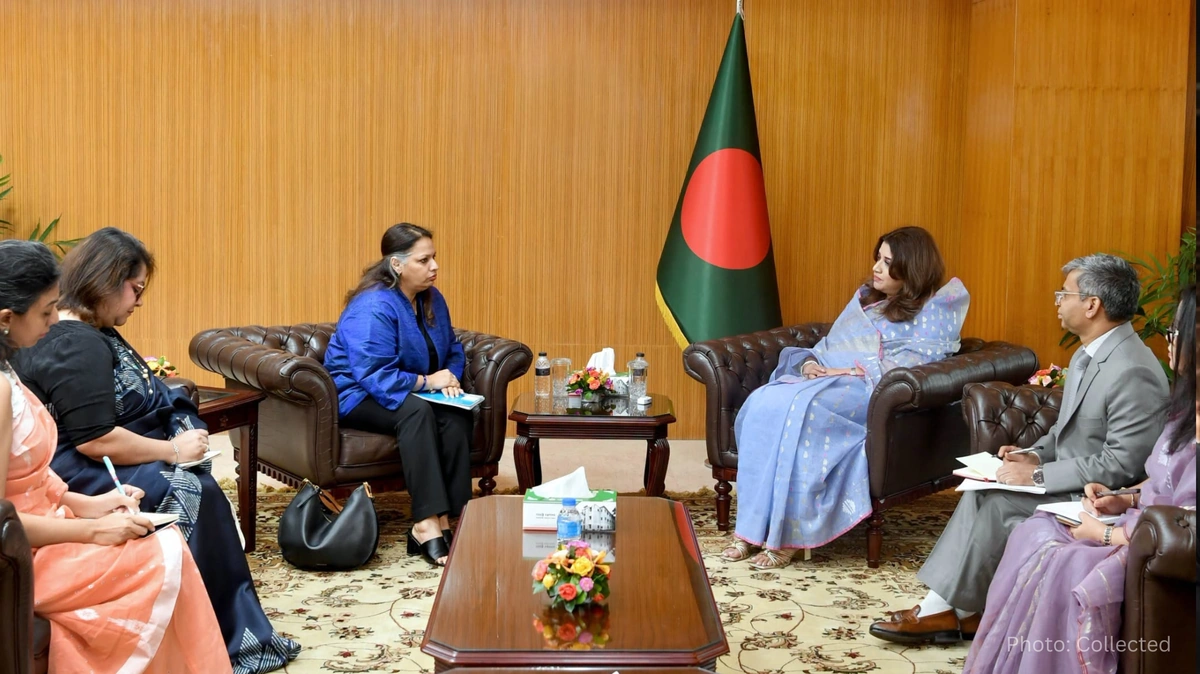
Bangladesh Seeks UN Women Support on Digital Harassment and Women’s Empowerment
-
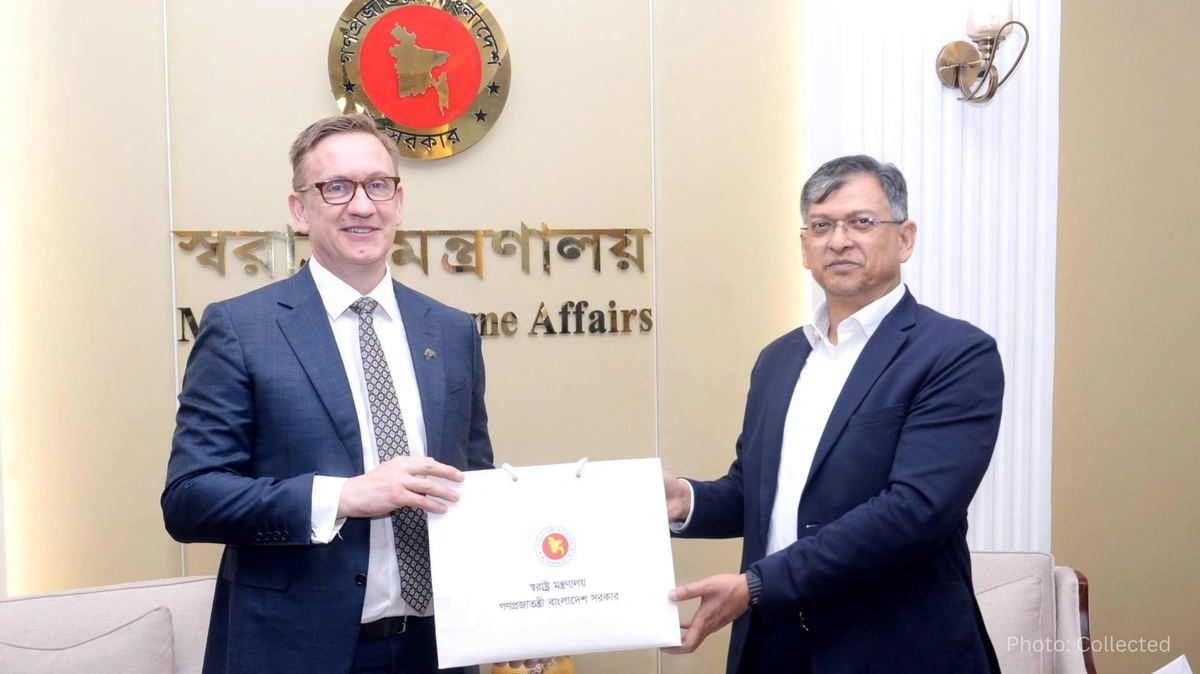
Bangladesh, Australia Discuss Human Trafficking, Irregular Migration and Rohingya Crisis
-
Bangladesh Plans Internet-Free Access to Mobile Banking and Financial Apps
-
DU to Open Undergraduate Admission Applications on 11 November, Tests Begin 5 December


