Telemedicine and Online Doctor Services Gain Ground in Bangladesh as Digital Healthcare Expands
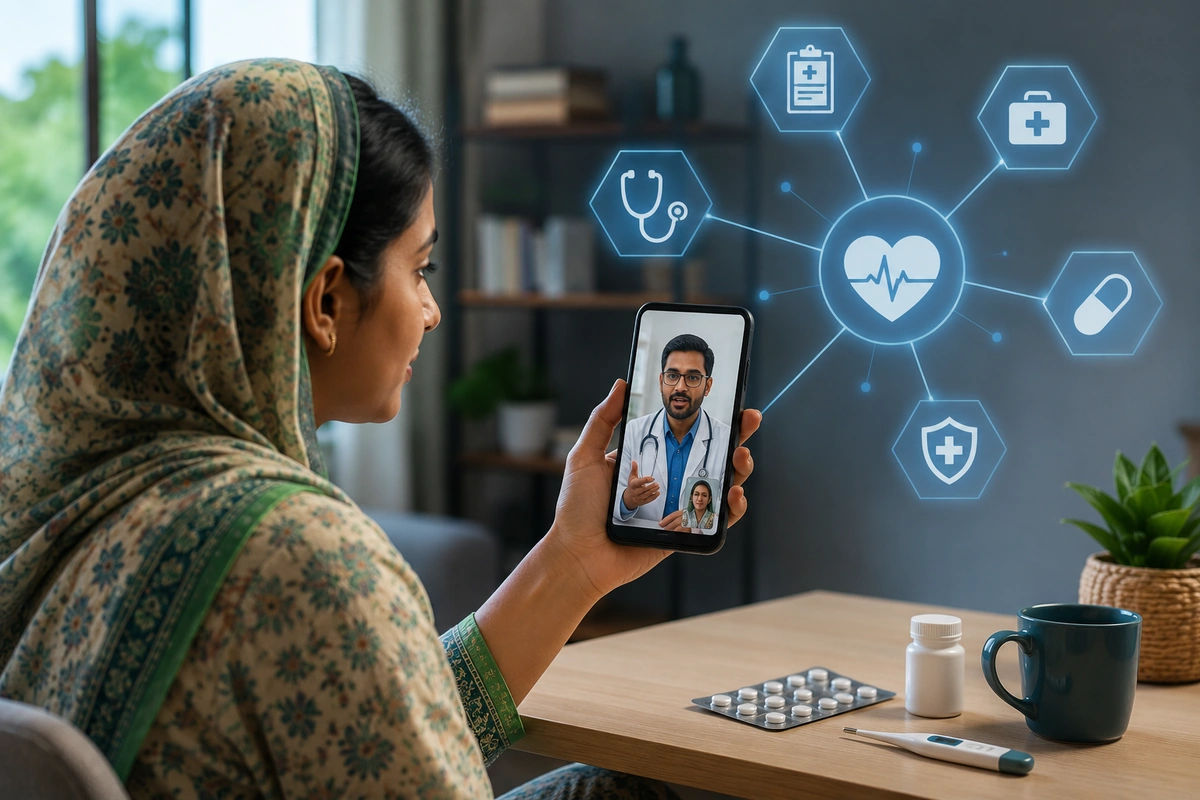
Virtual medical consultations, digital prescriptions and remote healthcare platforms are improving access to medical services across Bangladesh, while experts stress the need for stronger regulation, cybersecurity and digital literacy.
Telemedicine and online doctor services are becoming an increasingly important part of Bangladesh's healthcare system as digital technologies reshape the way patients access medical care. The growing use of smartphones, internet connectivity and digital health platforms has enabled millions of people to consult doctors remotely, reducing travel time and improving access to healthcare, particularly in underserved areas.
The adoption of telemedicine accelerated globally during the COVID 19 pandemic, when hospitals and healthcare providers expanded remote consultation services to reduce the risk of infection. Although in person healthcare has largely resumed, many patients continue to use virtual consultations for follow up appointments, primary care, mental health support and specialist advice.
According to the World Health Organization (WHO), digital health technologies have the potential to improve healthcare access, strengthen health systems and support universal health coverage. Telemedicine is particularly valuable for patients living in rural or remote communities where access to specialists and advanced medical facilities is limited.
Bangladesh has witnessed significant growth in digital healthcare services over the past several years. Hospitals, private healthcare providers and health technology companies now offer online consultations, electronic prescriptions, laboratory appointment booking and digital health information through websites and mobile applications.
Health experts say telemedicine has become especially useful for patients seeking treatment for common illnesses, chronic disease management, mental health counseling and follow up care after hospital visits. Virtual consultations also help reduce overcrowding in hospitals and clinics by allowing doctors to treat non emergency cases remotely.
International studies indicate that telemedicine improves healthcare efficiency by shortening waiting times, lowering transportation costs and increasing access to medical professionals. Analysts say the technology has become an important tool for countries seeking to strengthen healthcare delivery while managing growing demand for medical services.
Artificial intelligence is also beginning to transform digital healthcare. Many telemedicine platforms now use AI powered symptom assessment tools, appointment scheduling systems and clinical decision support software to assist healthcare professionals. Experts emphasize that these technologies are designed to support, rather than replace, qualified medical practitioners.
Mental health services have benefited from the expansion of online healthcare. Virtual counseling sessions and psychological support services have become more widely available, allowing patients to access confidential care without traveling long distances. Mental health specialists say digital consultations have helped reduce barriers to seeking treatment, particularly among younger patients.
Despite these advantages, healthcare professionals caution that telemedicine cannot replace emergency medical treatment or physical examinations when they are medically necessary. Patients experiencing severe injuries, chest pain, breathing difficulties or other medical emergencies are advised to seek immediate in person care.
Cybersecurity and patient privacy remain major priorities as digital healthcare expands. Medical experts recommend using only licensed healthcare providers and trusted telemedicine platforms to protect sensitive medical information. Strong data protection policies, secure communication systems and patient consent procedures are considered essential for maintaining public confidence.
The World Bank and the International Telecommunication Union (ITU) note that expanding internet access and digital literacy are key to ensuring equitable access to telemedicine services. Experts say improvements in broadband infrastructure and affordable smartphone access will allow more people to benefit from digital healthcare, especially in rural communities.
Bangladesh's government has identified digital healthcare as an important component of its Smart Bangladesh vision. Public and private sector initiatives continue to promote electronic health records, telemedicine networks and digital health services aimed at improving healthcare accessibility and efficiency across the country.
Healthcare researchers also emphasize the importance of clear regulatory frameworks for online medical services. Standards covering physician licensing, digital prescriptions, cross border consultations and patient data protection will help ensure the safe and responsible growth of telemedicine.
As digital transformation continues across the healthcare sector, analysts believe telemedicine will remain an important complement to traditional medical services rather than a replacement. Continued investment in technology, healthcare infrastructure, cybersecurity and professional training, they say, will be critical to expanding safe, reliable and accessible healthcare for people throughout Bangladesh.
The adoption of telemedicine accelerated globally during the COVID 19 pandemic, when hospitals and healthcare providers expanded remote consultation services to reduce the risk of infection. Although in person healthcare has largely resumed, many patients continue to use virtual consultations for follow up appointments, primary care, mental health support and specialist advice.
According to the World Health Organization (WHO), digital health technologies have the potential to improve healthcare access, strengthen health systems and support universal health coverage. Telemedicine is particularly valuable for patients living in rural or remote communities where access to specialists and advanced medical facilities is limited.
Bangladesh has witnessed significant growth in digital healthcare services over the past several years. Hospitals, private healthcare providers and health technology companies now offer online consultations, electronic prescriptions, laboratory appointment booking and digital health information through websites and mobile applications.
Health experts say telemedicine has become especially useful for patients seeking treatment for common illnesses, chronic disease management, mental health counseling and follow up care after hospital visits. Virtual consultations also help reduce overcrowding in hospitals and clinics by allowing doctors to treat non emergency cases remotely.
International studies indicate that telemedicine improves healthcare efficiency by shortening waiting times, lowering transportation costs and increasing access to medical professionals. Analysts say the technology has become an important tool for countries seeking to strengthen healthcare delivery while managing growing demand for medical services.
Artificial intelligence is also beginning to transform digital healthcare. Many telemedicine platforms now use AI powered symptom assessment tools, appointment scheduling systems and clinical decision support software to assist healthcare professionals. Experts emphasize that these technologies are designed to support, rather than replace, qualified medical practitioners.
Mental health services have benefited from the expansion of online healthcare. Virtual counseling sessions and psychological support services have become more widely available, allowing patients to access confidential care without traveling long distances. Mental health specialists say digital consultations have helped reduce barriers to seeking treatment, particularly among younger patients.
Despite these advantages, healthcare professionals caution that telemedicine cannot replace emergency medical treatment or physical examinations when they are medically necessary. Patients experiencing severe injuries, chest pain, breathing difficulties or other medical emergencies are advised to seek immediate in person care.
Cybersecurity and patient privacy remain major priorities as digital healthcare expands. Medical experts recommend using only licensed healthcare providers and trusted telemedicine platforms to protect sensitive medical information. Strong data protection policies, secure communication systems and patient consent procedures are considered essential for maintaining public confidence.
The World Bank and the International Telecommunication Union (ITU) note that expanding internet access and digital literacy are key to ensuring equitable access to telemedicine services. Experts say improvements in broadband infrastructure and affordable smartphone access will allow more people to benefit from digital healthcare, especially in rural communities.
Bangladesh's government has identified digital healthcare as an important component of its Smart Bangladesh vision. Public and private sector initiatives continue to promote electronic health records, telemedicine networks and digital health services aimed at improving healthcare accessibility and efficiency across the country.
Healthcare researchers also emphasize the importance of clear regulatory frameworks for online medical services. Standards covering physician licensing, digital prescriptions, cross border consultations and patient data protection will help ensure the safe and responsible growth of telemedicine.
As digital transformation continues across the healthcare sector, analysts believe telemedicine will remain an important complement to traditional medical services rather than a replacement. Continued investment in technology, healthcare infrastructure, cybersecurity and professional training, they say, will be critical to expanding safe, reliable and accessible healthcare for people throughout Bangladesh.
Related News




You may like




Tom Holland Says Marvel Has a Plan for the Next Spider-Man
August 1, 2026
Elected News
-
Bangladesh Seeks UN Women Support on Digital Harassment and Women’s Empowerment
-
Bangladesh, Australia Discuss Human Trafficking, Irregular Migration and Rohingya Crisis
-
Bangladesh Plans Internet-Free Access to Mobile Banking and Financial Apps
-
DU to Open Undergraduate Admission Applications on 11 November, Tests Begin 5 December


