Super El Niño Alert: How It Could Impact Bangladesh in 2026
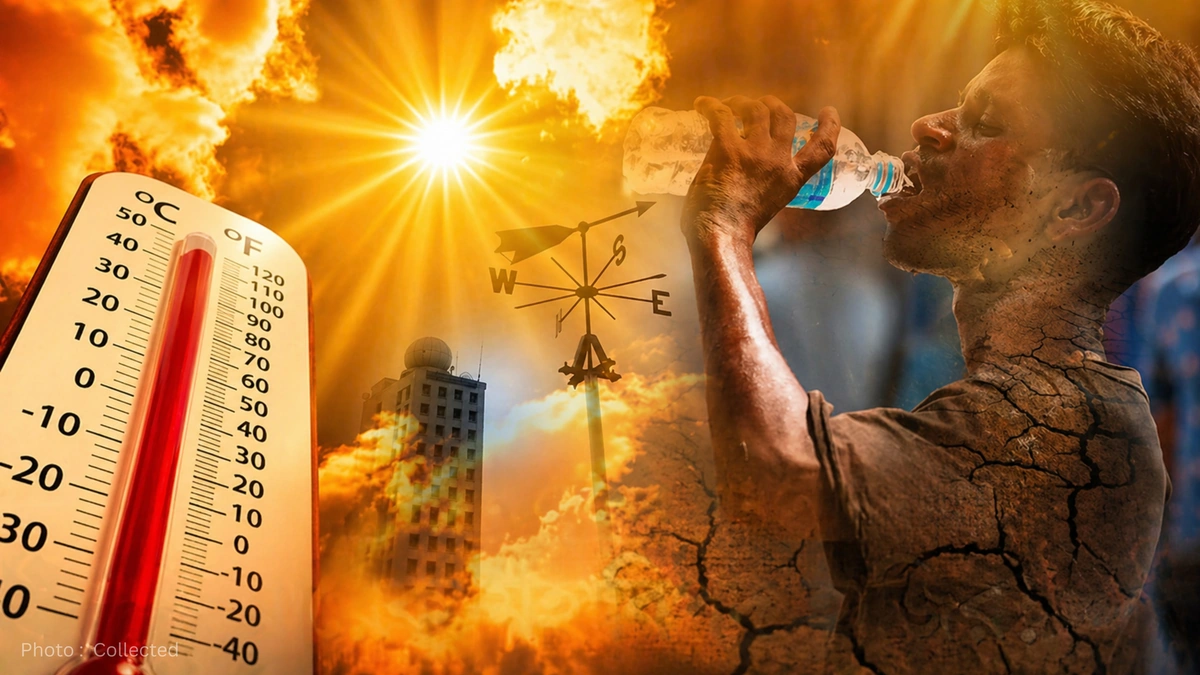
Scientists warn of a potential “super El Niño” in 2026 that may trigger heatwaves, drought risks, and rising food prices in Bangladesh and beyond
The year 2026 is shaping up to be a critical moment in global climate history as scientists closely monitor the possible return of a powerful weather phenomenon known as El Niño. According to recent climate observations, unusually high ocean temperatures in the Pacific Ocean are raising concerns that a “super El Niño” event could develop, potentially affecting weather patterns across multiple continents, including South Asia.
El Niño, a Spanish term meaning “little boy,” refers to a natural climate pattern that occurs when warm ocean waters in the central and eastern Pacific Ocean disrupt normal wind circulation. Under typical conditions, trade winds move westward, pushing warm water toward Asia and allowing cooler water to rise near South America. However, during El Niño years, these winds weaken, causing ocean temperatures to rise abnormally and altering global weather systems.
For Bangladesh, the consequences could be significant. The country’s agriculture, heavily dependent on seasonal rainfall, may face reduced monsoon activity. Experts suggest that annual rainfall could drop noticeably, directly impacting rice production, particularly Aman and Boro crops. Reduced rainfall combined with irregular irrigation systems may increase production costs for farmers, eventually leading to higher food prices in the market.
The livestock and fisheries sectors are also expected to face pressure. Extreme heat conditions above 40°C can reduce oxygen levels in water bodies, leading to fish deaths. Poultry farms may experience heat stress, reducing egg production and increasing mortality rates. These combined effects could disrupt the supply of animal protein and push market prices higher.
Global climate data indicates that Pacific Ocean temperatures have already exceeded warning thresholds in some regions, with anomalies recorded nearly 1.8°C above normal levels. Climate prediction centers estimate a significant probability of El Niño formation in the coming months, with a possibility of reaching “super” intensity if ocean warming continues.
A super El Niño is classified when sea surface temperatures rise at least 2°C above average. Historically, such events have triggered extreme weather conditions worldwide, including droughts in Africa, heatwaves in South Asia, and heavy rainfall in parts of the Americas.
In Bangladesh, experts warn of additional pressure on the power sector, as extreme heat reduces electricity generation efficiency while demand increases. This may increase the risk of load shedding during peak summer months.
Authorities are already advising the public to take precautions against heatwaves, including staying hydrated, avoiding direct sunlight during peak hours, and wearing light clothing. Meanwhile, government agencies are strengthening climate adaptation efforts, focusing on agriculture support, water management, and early disaster preparedness.
As climate systems become increasingly unpredictable, experts emphasize that preparedness at both individual and national levels will be crucial in minimizing the potential impacts of a super El Niño event.
Related News





You may like




Tom Holland Says Marvel Has a Plan for the Next Spider-Man
August 1, 2026
Elected News
-
Bangladesh Seeks UN Women Support on Digital Harassment and Women’s Empowerment
-
Bangladesh, Australia Discuss Human Trafficking, Irregular Migration and Rohingya Crisis
-
Bangladesh Plans Internet-Free Access to Mobile Banking and Financial Apps
-
DU to Open Undergraduate Admission Applications on 11 November, Tests Begin 5 December


