Urban Poverty and Welfare Programs Take Center Stage as Cities Struggle with Rising Living Costs
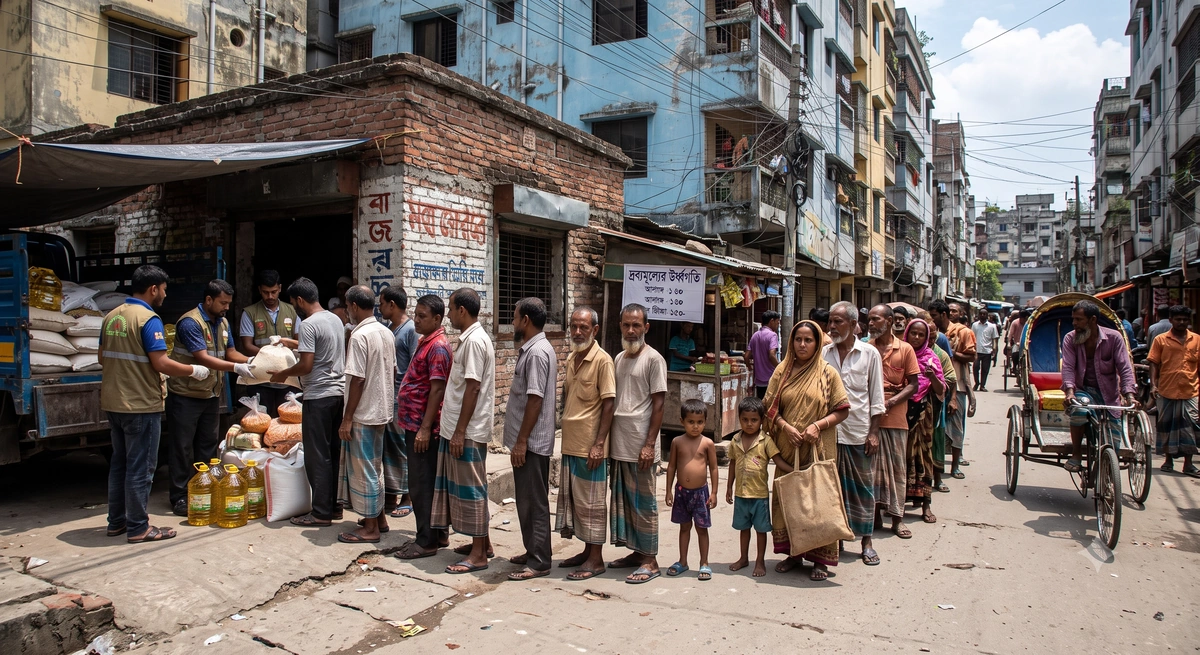
Governments and international organizations are expanding social protection and welfare initiatives to support low income urban households facing inflation, housing shortages and limited access to essential services.
According to the World Bank, more than half of the world's population now lives in urban areas, and that share is expected to rise to nearly 70 percent by 2050. Although cities generate more than 80 percent of global economic output, the benefits of urban growth are not evenly distributed. Many families living in informal settlements or low income neighborhoods remain vulnerable to poverty despite residing in economically active regions.
The United Nations estimates that over 1.1 billion people currently live in slums or informal settlements worldwide. These communities often face overcrowding, poor sanitation, limited clean water, unreliable electricity and inadequate public services. Experts say rapid migration from rural areas, combined with insufficient affordable housing and weak urban planning, continues to fuel the expansion of informal settlements in many developing countries.
High inflation in recent years has added pressure to urban households. Reuters, BBC News and the Associated Press have reported that rising food prices, transportation costs and housing expenses have disproportionately affected low income families across both developed and developing economies. International financial institutions warn that persistent inflation has reduced purchasing power, making it harder for vulnerable households to meet basic needs.
The World Bank notes that urban poverty differs from rural poverty in several ways. While employment opportunities may be more available in cities, urban residents often face higher living expenses, expensive rental housing and greater dependence on cash income. Loss of employment or unexpected health emergencies can quickly push low income families deeper into poverty.
Governments worldwide are responding by expanding welfare and social protection programs. According to the International Labour Organization (ILO), many countries have increased investments in cash transfers, unemployment assistance, food subsidies, housing support and public healthcare to reduce the impact of economic hardship. Digital payment systems have also improved the delivery of financial assistance by enabling governments to transfer benefits directly to eligible households.
The United Nations Development Programme (UNDP) emphasizes that effective urban welfare programs should combine immediate financial assistance with long term investments in education, vocational training, affordable housing and employment opportunities. Experts argue that strengthening local economies and improving public services are essential for reducing poverty sustainably rather than relying solely on income support.
Bangladesh continues to experience rapid urbanization, particularly in Dhaka, Chattogram and other major cities. The World Bank and Asian Development Bank report that urban migration has contributed to economic growth while also increasing pressure on housing, transportation and public infrastructure. Many low income families work in the informal economy, where income is often unstable and access to social protection remains limited.
The Government of Bangladesh has expanded several social safety net programs aimed at supporting vulnerable populations. These include old age allowances, disability benefits, widow allowances, food assistance initiatives and cash transfer programs for low income households. Development partners have also supported urban poverty reduction through skills training, microfinance, sanitation improvements and community development projects.
Experts stress that affordable housing remains one of the most pressing challenges. Rising land values and rental costs have forced many low income workers into overcrowded settlements with limited public services. Urban planners argue that increasing investment in affordable housing, public transportation and resilient infrastructure is essential to improving living conditions while supporting continued economic growth.
International organizations also highlight the importance of inclusive urban planning. They recommend involving local communities in decision making, improving access to education and healthcare, expanding employment opportunities for women and young people and strengthening climate resilience in vulnerable urban neighborhoods.
As cities continue to grow, policymakers agree that reducing urban poverty will require coordinated action involving governments, international development agencies, private sector investment and community organizations. Experts say effective welfare programs, combined with inclusive economic policies and sustainable urban development, will play a crucial role in ensuring that the benefits of urbanization are shared more equitably.
Related News


You may like




Tom Holland Says Marvel Has a Plan for the Next Spider-Man
August 1, 2026
Elected News
-
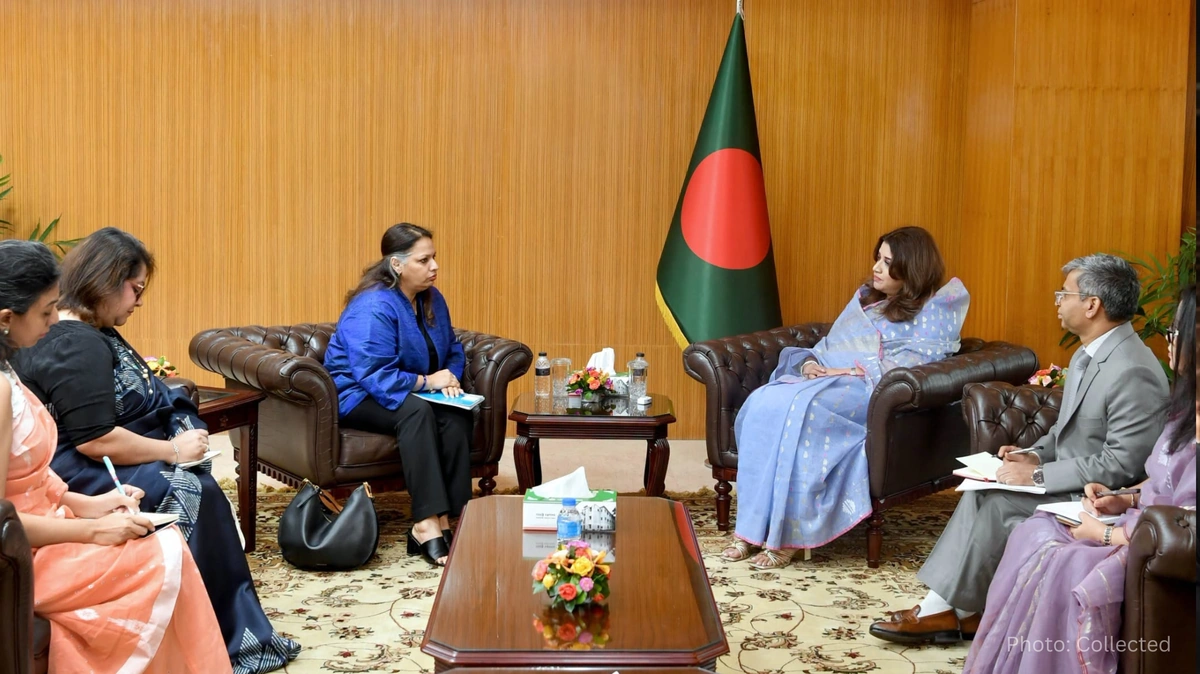
Bangladesh Seeks UN Women Support on Digital Harassment and Women’s Empowerment
-
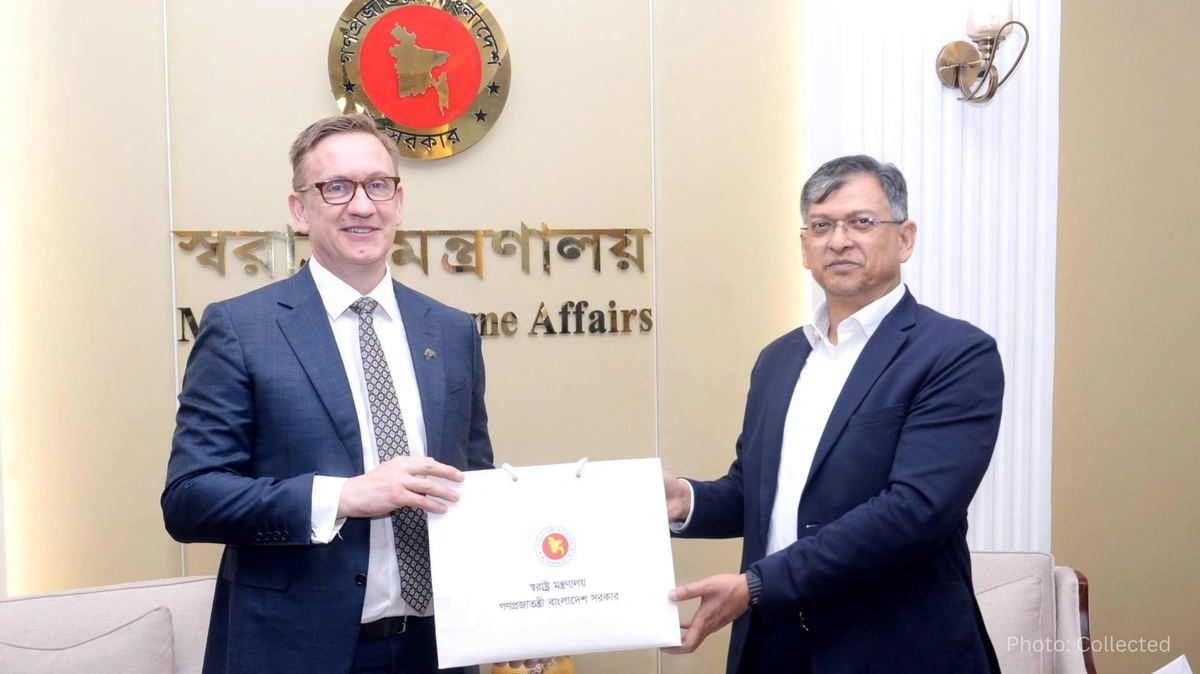
Bangladesh, Australia Discuss Human Trafficking, Irregular Migration and Rohingya Crisis
-
Bangladesh Plans Internet-Free Access to Mobile Banking and Financial Apps
-
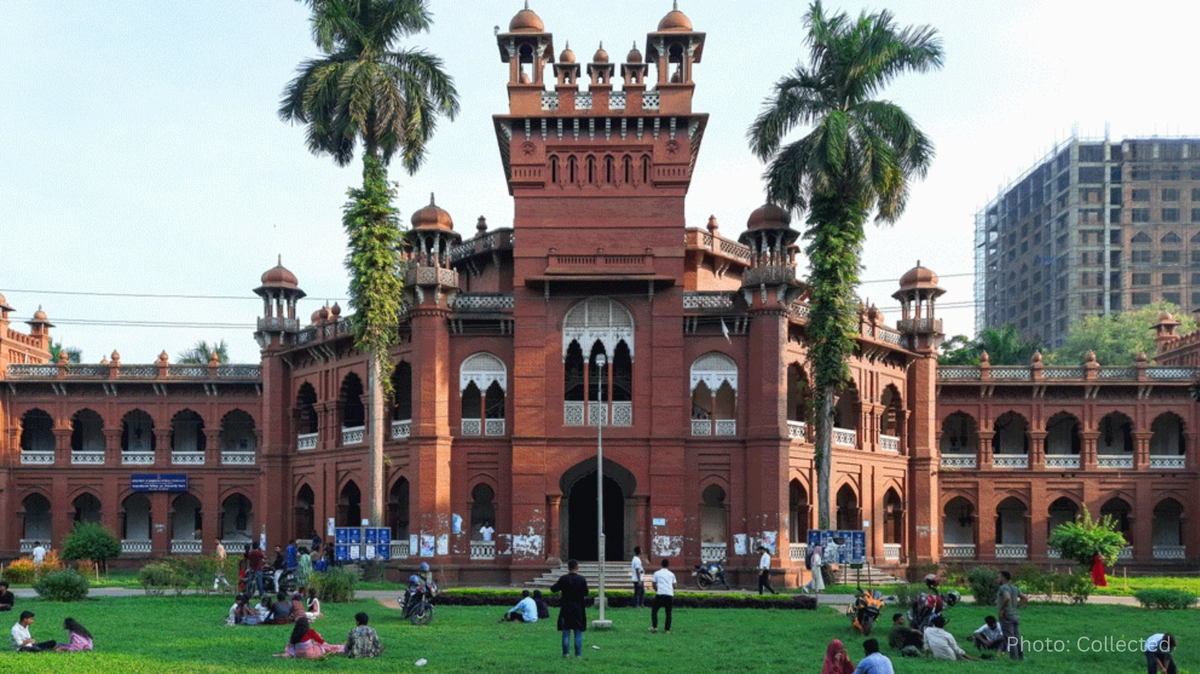
DU to Open Undergraduate Admission Applications on 11 November, Tests Begin 5 December


