Global Remittance Flows Continue to Shape Economies as Expat Money Transfers Remain a Lifeline for Millions
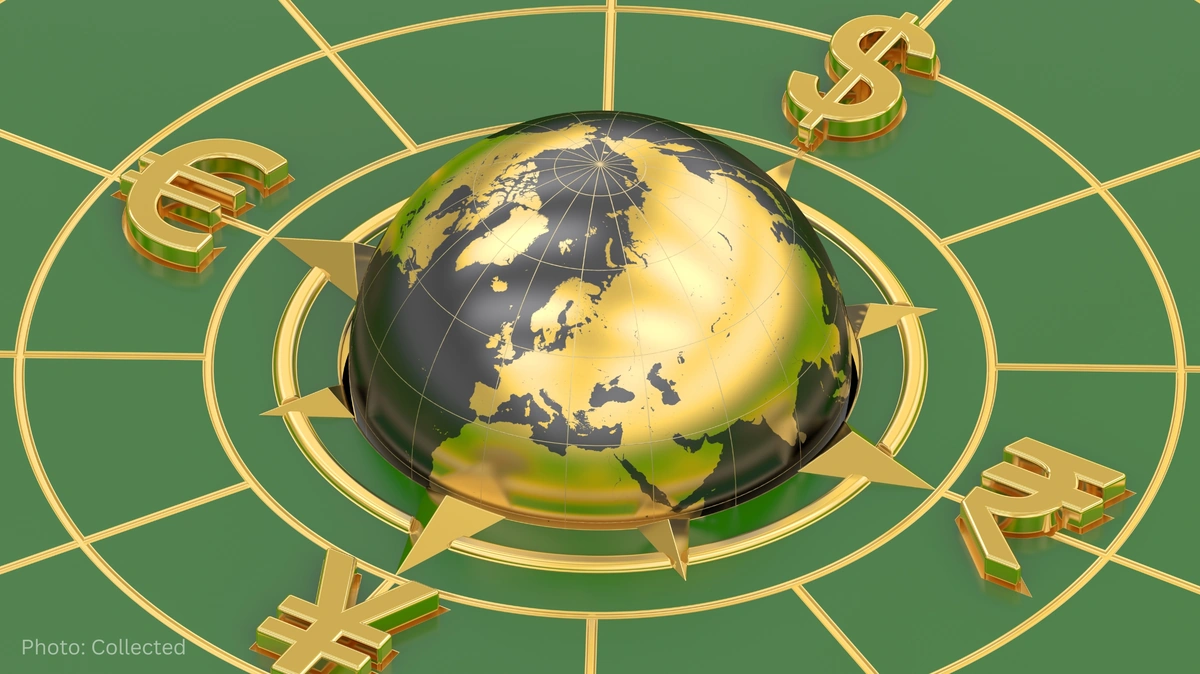
Remittances sent by expatriate workers continue to play a critical role in supporting households, strengthening national economies, and reducing poverty, even as the global financial landscape faces mounting uncertainties and rising transfer costs.
Remittance inflows remain one of the most important sources of financial support for millions of families worldwide, highlighting the enduring contribution of expatriate workers to both their host countries and their homelands. Despite ongoing economic pressures, geopolitical tensions, and changing migration patterns, money sent home by overseas workers continues to sustain household spending, improve living standards, and provide economic stability across developing nations.
For many families, remittances are far more than routine financial transactions. They represent school fees for children, medical expenses for aging parents, housing improvements, daily necessities, and small business investments. In countries heavily reliant on overseas employment, these transfers often serve as a crucial economic safety net during periods of hardship.
Economists note that remittance flows have demonstrated remarkable resilience over the years. Even during global crises, migrant workers frequently prioritize supporting their families back home, often making personal sacrifices to maintain regular transfers. This consistency has elevated remittances into one of the largest sources of external financial inflows for numerous developing economies, frequently surpassing foreign direct investment and official development assistance.
The rise of digital technology has also transformed the remittance industry. Traditional money transfer channels are increasingly being complemented by mobile applications, online financial platforms, and digital wallets that offer greater convenience and faster delivery times. Financial technology firms have intensified competition within the sector, encouraging innovation aimed at reducing costs and expanding access to underserved populations.
However, challenges persist. Transfer fees remain a concern, particularly for low-income migrant workers who send smaller amounts on a regular basis. Experts have repeatedly called for more affordable and transparent remittance services, arguing that reducing transaction costs would allow families to retain a larger share of the money intended for their support.
Regulatory requirements designed to combat financial crimes have also added complexity to international transfers. While such safeguards are necessary to maintain the integrity of the global financial system, industry observers stress the importance of balancing compliance obligations with accessibility, ensuring that legitimate users are not excluded from formal financial channels.
The economic significance of remittances extends well beyond individual households. In many countries, steady inflows contribute to foreign exchange reserves, support domestic consumption, and help stabilize local economies. Governments often view these transfers as an important pillar of national development strategies, introducing policies that encourage expatriate communities to utilize formal banking channels.
At the same time, migration experts caution against excessive dependence on remittance income. Long-term economic sustainability, they argue, requires investments in domestic job creation, education, infrastructure, and productive sectors capable of generating opportunities at home. While remittances provide immediate relief and support, they should complement broader development initiatives rather than replace them.
As millions of expatriates continue working far from their families, their financial contributions remain deeply intertwined with the well-being of communities around the world. From rural villages to bustling urban centers, remittance flows underscore the enduring bonds between migrants and their loved ones, illustrating how individual acts of support collectively shape national economies.
With technological advancements reshaping the money transfer landscape and policymakers seeking more inclusive financial systems, the future of remittances is likely to evolve further. Yet the core purpose behind every transfer remains unchanged: providing hope, security, and opportunity to families striving for a better future.
Related News





You may like




Tom Holland Says Marvel Has a Plan for the Next Spider-Man
August 1, 2026
Elected News
-

Bangladesh Seeks UN Women Support on Digital Harassment and Women’s Empowerment
-

Bangladesh, Australia Discuss Human Trafficking, Irregular Migration and Rohingya Crisis
-

Bangladesh Plans Internet-Free Access to Mobile Banking and Financial Apps
-

DU to Open Undergraduate Admission Applications on 11 November, Tests Begin 5 December


