Learning English as a Second Language: Methods, Challenges and Effective Strategies for Fluency

Learning English as a second language has become essential in today’s globalised world, with millions of learners focusing on communication skills, grammar improvement, and daily practice to achieve fluency for education, work, and travel.
English has become one of the most widely used global languages, and learning it as a second language is now a priority for millions of people around the world. From education and employment to travel and international communication, English proficiency plays a crucial role in opening new opportunities.
For many learners, especially in non-English-speaking countries, the journey begins in school classrooms where grammar, vocabulary, and basic sentence structures are introduced. However, achieving fluency requires far more than classroom learning alone. Continuous practice and exposure to the language are essential.
One of the most effective methods for learning English is daily practice through reading, writing, listening, and speaking. Experts often refer to this as the “four skills” approach. Reading helps learners understand vocabulary and sentence structures, writing improves grammar and expression, listening enhances comprehension, and speaking builds confidence and fluency.
Listening to English content such as news, podcasts, movies, and YouTube videos is particularly useful for developing natural understanding. It helps learners become familiar with pronunciation, accents, and real-life usage of words and phrases that are often not found in textbooks.
Speaking practice is another critical component of language learning. Many learners struggle with confidence when speaking English due to fear of making mistakes. However, language experts emphasise that mistakes are a natural part of learning and should not discourage practice. Regular conversation with friends, teachers, or language partners can significantly improve fluency.
Vocabulary building is also essential. Instead of memorising long word lists, learners are encouraged to learn new words in context by reading articles, watching content, or using them in sentences. This method helps with long-term retention and practical usage.
Technology has also transformed the way English is learned. Mobile apps, online courses, and language-learning platforms now provide interactive lessons, pronunciation tools, and AI-based speaking practice. These resources allow learners to study at their own pace and convenience.
Another important strategy is creating an English-speaking environment. Even in non-English-speaking countries, learners can surround themselves with the language by changing phone settings, following English social media pages, and thinking in English during daily activities.
Despite the availability of resources, learners often face challenges such as lack of practice opportunities, limited vocabulary, and fear of speaking. Overcoming these barriers requires consistency, motivation, and a supportive learning environment.
Teachers and language experts recommend setting realistic goals, such as learning a specific number of words per week or practicing speaking for a fixed time daily. Small but consistent progress is more effective than irregular intense study sessions.
Reading simple books, newspapers, and graded materials is also a helpful way to build confidence gradually. As learners improve, they can move on to more complex texts and advanced content.
In conclusion, learning English as a second language is a gradual process that requires dedication, patience, and regular practice. With the right methods and consistent effort, learners can achieve fluency and unlock global opportunities in education, career, and communication.
Related News





You may like



Tom Holland Says Marvel Has a Plan for the Next Spider-Man
August 1, 2026
Elected News
-

Bangladesh Seeks UN Women Support on Digital Harassment and Women’s Empowerment
-

Bangladesh, Australia Discuss Human Trafficking, Irregular Migration and Rohingya Crisis
-
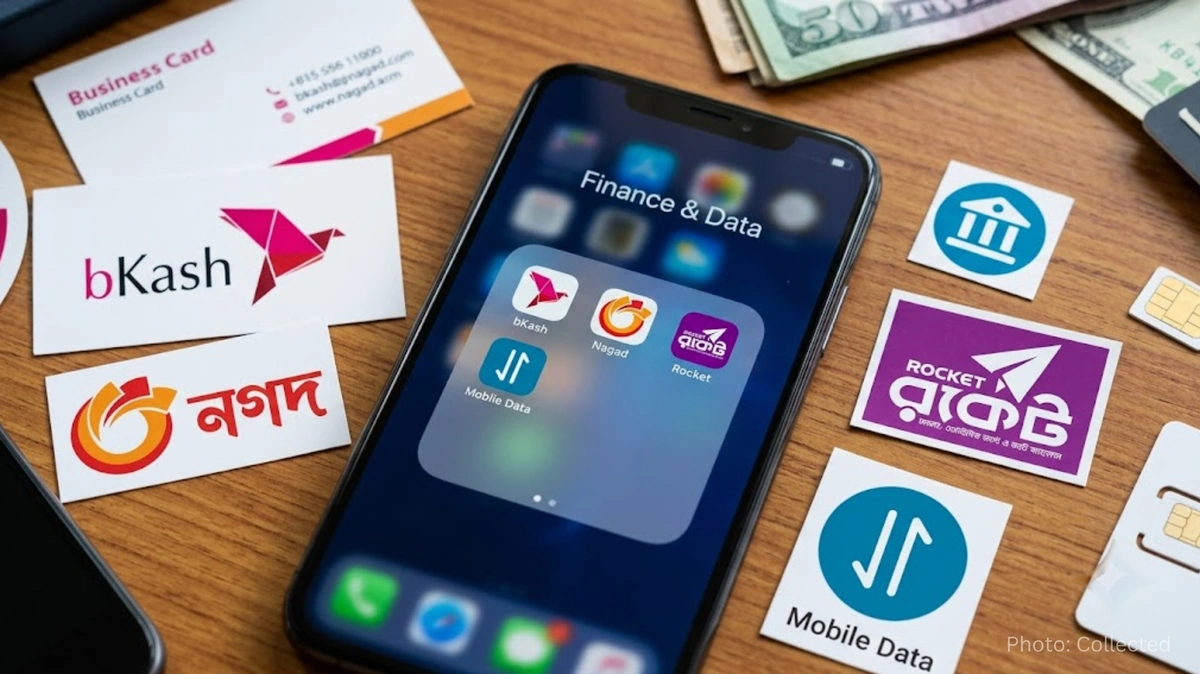
Bangladesh Plans Internet-Free Access to Mobile Banking and Financial Apps
-

DU to Open Undergraduate Admission Applications on 11 November, Tests Begin 5 December


