Women in STEM in Bangladesh: Progress, Barriers and the Push for Greater Inclusion in Science and Technology
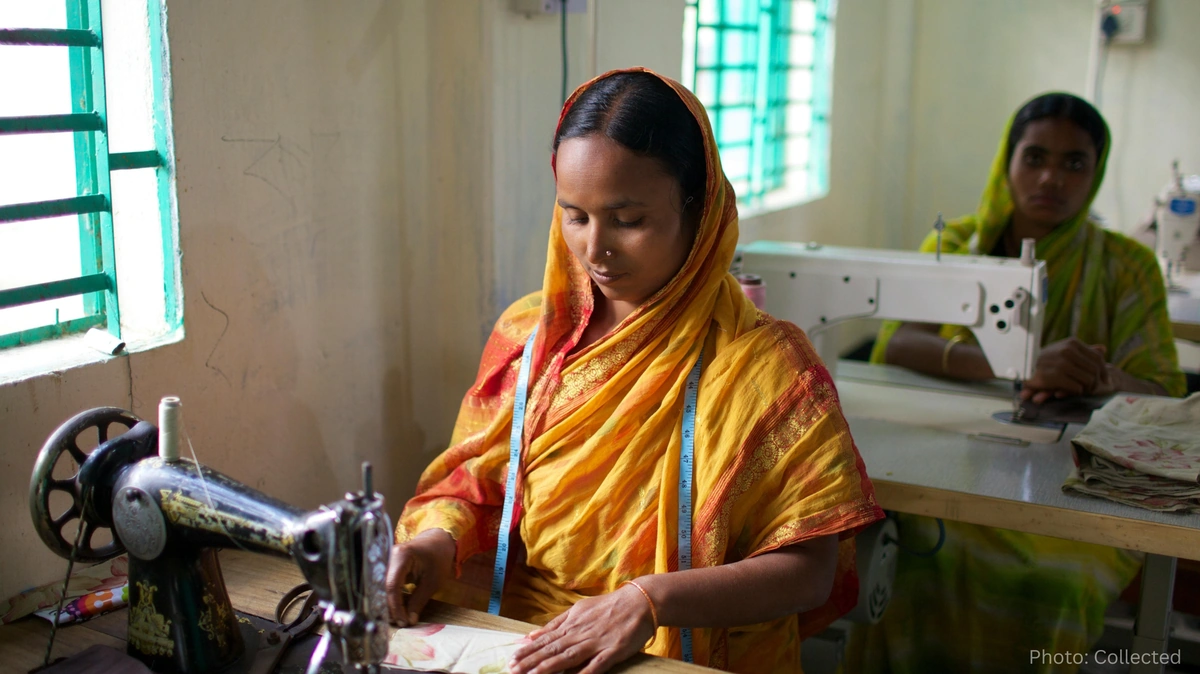
Women’s participation in STEM (Science, Technology, Engineering and Mathematics) in Bangladesh is steadily increasing, driven by education access, digital transformation, and policy support, though challenges such as gender bias, workplace inequality, and social barriers still persist.
Women’s participation in STEM STEM fields in Bangladesh has seen gradual but meaningful progress over the past decade. More female students are now enrolling in science-based subjects at school, college, and university levels, entering disciplines such as engineering, computer science, medicine, and information technology. However, despite this positive trend, significant structural and cultural barriers continue to limit full gender parity in these fields.
In Bangladesh, the journey of women in STEM typically begins at the secondary education level, where academic performance in science subjects determines future study opportunities. Increasing awareness among families and improvements in female education access have contributed to a higher number of girls choosing science streams after secondary school. Government initiatives promoting female education have also played an important role in encouraging participation.
At the university level, institutions such as engineering and science universities have reported a steady rise in female enrollment in recent years. Women are now entering traditionally male-dominated disciplines such as civil engineering, mechanical engineering, computer science, and architecture. In medical and pharmaceutical sciences, female representation is comparatively higher, reflecting long-standing social acceptance in these fields.
Despite this progress, challenges remain deeply rooted. Social expectations and cultural norms still influence career choices for many young women. In some cases, families prefer safer or more traditionally “female-oriented” professions, limiting opportunities in technical fields. Additionally, a lack of female role models in senior STEM positions can discourage long-term career commitment.
Workplace inequality is another major concern. Women in STEM careers often face barriers such as wage gaps, limited leadership opportunities, and underrepresentation in decision-making roles. In some cases, workplace environments may not provide adequate support for work-life balance, particularly for women managing both professional and family responsibilities.
Another challenge is the gender gap in digital and technical skills development. Although access to education has improved, exposure to advanced training, internships, and research opportunities is still uneven. This limits the ability of many female students to compete at the highest professional levels in STEM industries.
However, several positive developments are helping to close this gap. Universities, non-governmental organisations, and international programs have launched initiatives to encourage girls in science and technology. Coding bootcamps, robotics clubs, and STEM mentorship programs are increasingly targeting female students to build confidence and technical skills from an early stage.
The rise of the digital economy has also created new opportunities for women in Bangladesh. Fields such as software development, freelancing, digital marketing, and data analysis offer flexible work environments that can support greater female participation. Remote work options have further expanded access, allowing women to contribute to STEM industries without geographical limitations.
Government policies focused on digital transformation and education reform are also contributing to a more inclusive environment. Scholarships, training programs, and ICT-based initiatives are helping to bridge the gender gap in technical education and employment.
Role models and visibility are becoming increasingly important. As more Bangladeshi women succeed in engineering, research, and technology leadership roles, they inspire younger generations to pursue similar careers. Media coverage and awareness campaigns are also helping to challenge stereotypes around gender and technical professions.
Experts emphasize that achieving true gender equality in STEM requires long-term structural change. This includes improving STEM education quality in schools, encouraging early interest in science, ensuring equal access to internships, and creating safer, more inclusive workplace environments.
In conclusion, while women in STEM in Bangladesh are making steady progress, the journey toward full equality is still ongoing. With continued investment in education, mentorship, and inclusive policies, Bangladesh has the potential to unlock a larger pool of female talent in science and technology, strengthening both its innovation capacity and economic growth.
Related News


You may like



Tom Holland Says Marvel Has a Plan for the Next Spider-Man
August 1, 2026
Elected News
-
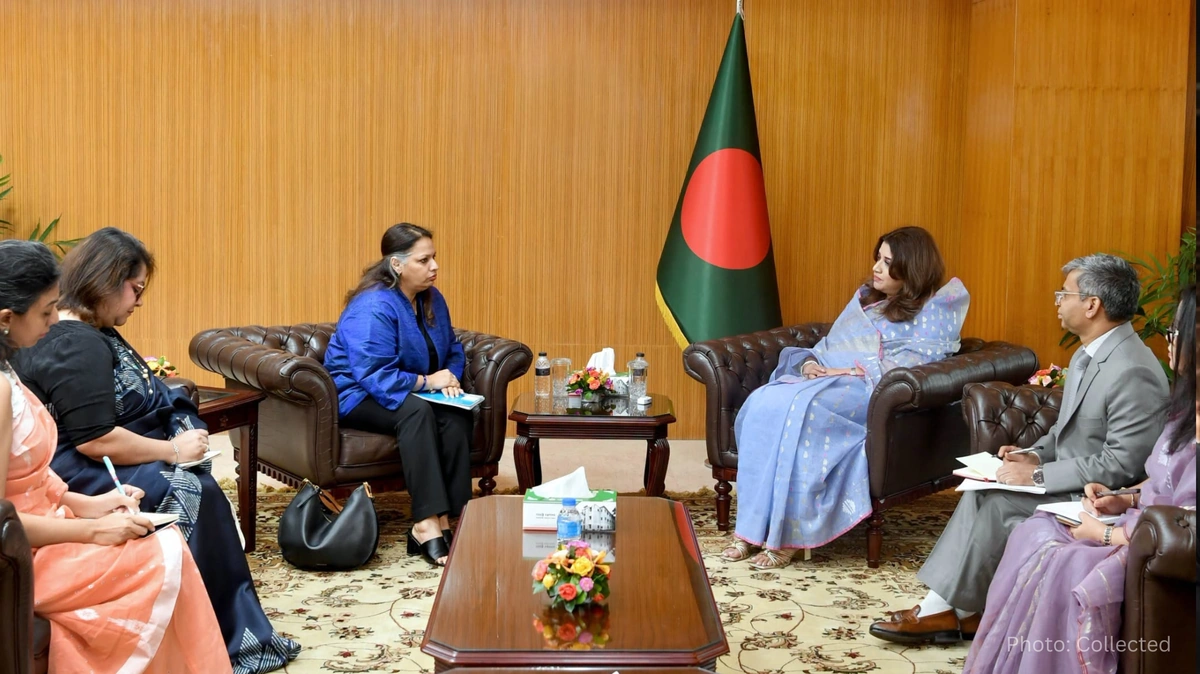
Bangladesh Seeks UN Women Support on Digital Harassment and Women’s Empowerment
-
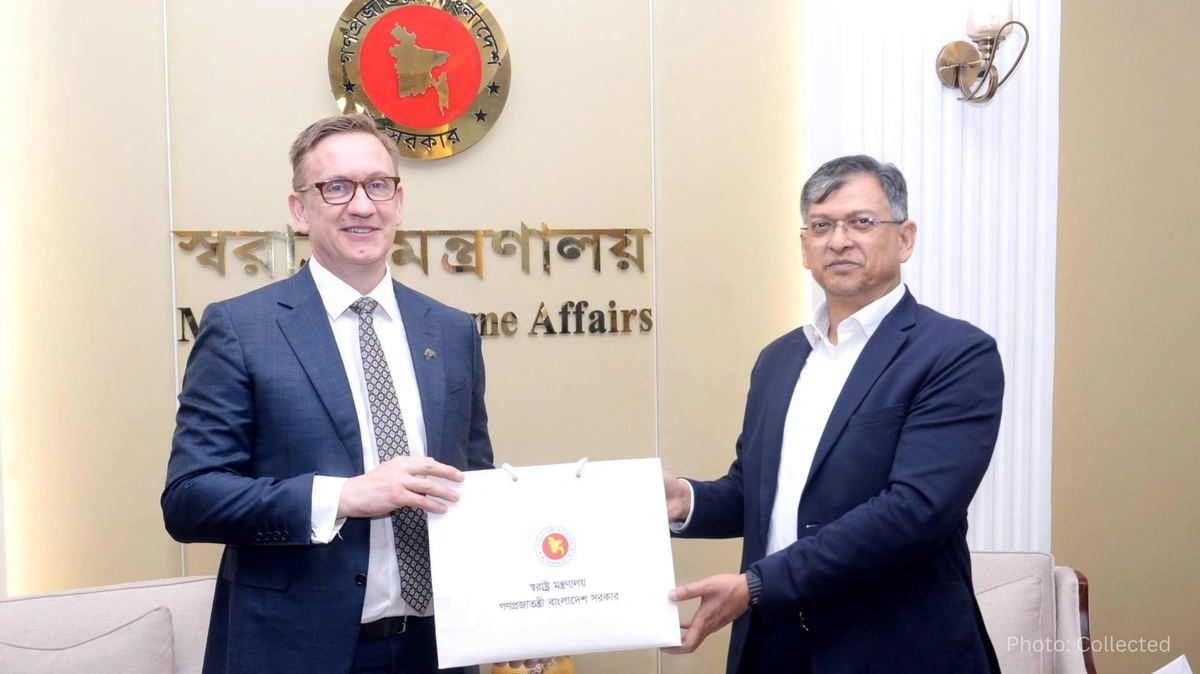
Bangladesh, Australia Discuss Human Trafficking, Irregular Migration and Rohingya Crisis
-
Bangladesh Plans Internet-Free Access to Mobile Banking and Financial Apps
-
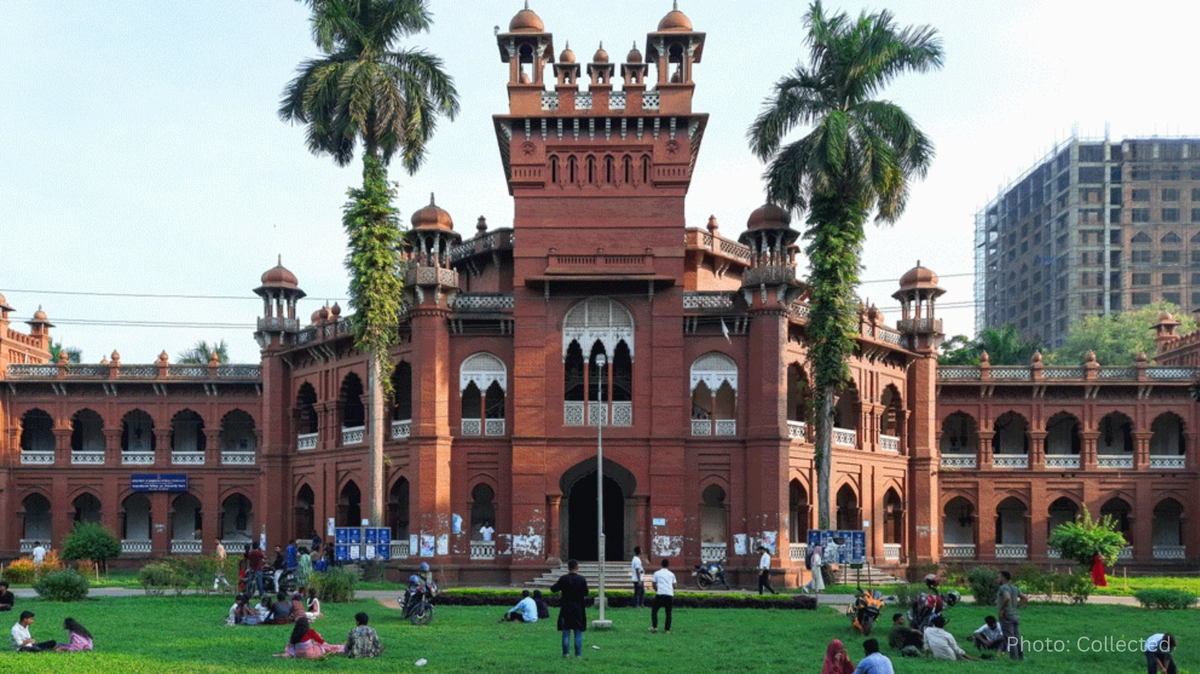
DU to Open Undergraduate Admission Applications on 11 November, Tests Begin 5 December


