FIFA Shows Special Respect to Saudi Flag During World Cup Ceremony Over Religious Significance
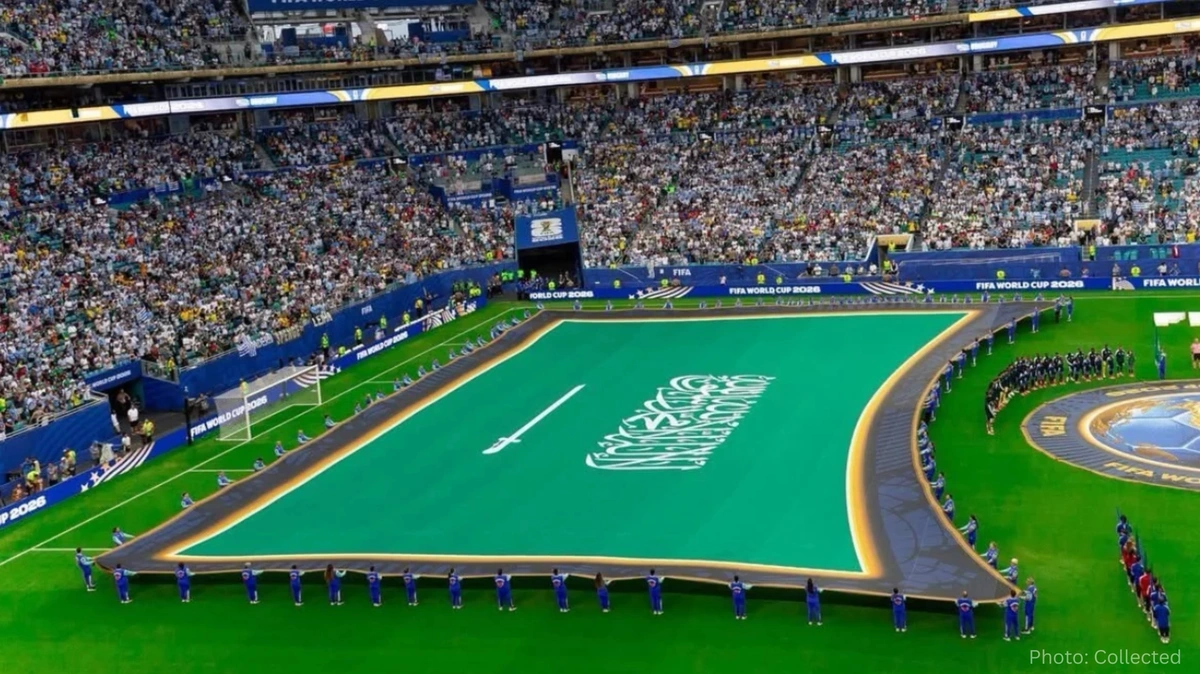
A unique moment ahead of the Saudi Arabia–Uruguay World Cup clash drew global attention as FIFA adjusted its traditional pre-match flag protocol to honour the religious importance of the Saudi national flag, ensuring it never touched the ground.
A distinctive scene unfolded before Saudi Arabia's opening match against Uruguay at the 2026 FIFA World Cup, as FIFA modified its customary pre-match ceremony in recognition of the religious significance attached to the Saudi national flag.
Traditionally, before kick-off, large versions of the competing nations' flags are carried onto the field and spread across the pitch as part of the tournament's opening formalities. However, spectators noticed an exception during the Saudi Arabia-Uruguay encounter, as the Saudi flag remained elevated throughout the ceremony and was never placed on the grass.
To maintain visual balance and ceremonial symmetry, Uruguay's flag was also held above the ground by flag bearers instead of being laid on the pitch.
The gesture quickly attracted attention among football supporters and social media users, many of whom praised FIFA for demonstrating sensitivity towards cultural and religious traditions on one of the world's biggest sporting stages.
The Saudi Arabian flag carries unique religious significance because it features the Shahada, the Islamic declaration of faith, written in Arabic. The inscription affirms the belief that there is no deity but Allah and that Prophet Muhammad (peace be upon him) is His Messenger.
Due to the sacred nature of the text, Saudi protocol dictates that the national flag should never touch the ground, be lowered in a manner considered disrespectful, or be used in ways that could diminish its religious dignity. The flag is therefore subject to strict guidelines regarding its display and handling.
By adapting its standard procedure, FIFA acknowledged these sensitivities while ensuring that tournament traditions remained respectful of the cultural identities of participating nations.
The moment has sparked wider conversations about the role of international sporting bodies in accommodating religious and cultural values. Supporters described the decision as an example of how global events can celebrate diversity while preserving inclusivity and mutual respect among nations.
Beyond the pre-match ceremony, the contest itself delivered an entertaining spectacle.
Saudi Arabia and Uruguay shared the points in their opening Group H fixture, drawing 1-1 in a result that keeps both teams firmly in contention for a place in the knockout stages.
Saudi Arabia struck first in the 41st minute when defender Abdulilah Al-Amri found the back of the net, giving the Green Falcons a deserved lead before the interval. The goal sparked celebrations among Saudi supporters, who sensed the possibility of a memorable opening victory.
Uruguay, however, responded in the latter stages of the match. Midfielder Maxi Araújo equalised in the 80th minute, rescuing a valuable point for the South American side after sustained pressure in the closing stages.
The draw leaves both teams with one point as the battle for qualification from Group H intensifies. With crucial fixtures still to come, neither side can afford complacency as they seek progression to the next round of football's most prestigious tournament.
While the match result had significant implications for the group standings, it was FIFA's gesture before kick-off that became one of the day's most talked-about moments. The decision highlighted how international sport continues to evolve beyond competition alone, recognising the importance of respecting the beliefs, traditions, and identities that athletes and supporters bring to the global stage.
As the 2026 FIFA World Cup continues, the incident is likely to be remembered not only as a symbol of sporting diplomacy but also as a reminder that cultural understanding and respect remain central values in bringing nations together through football.
Related News
You may like



Tom Holland Says Marvel Has a Plan for the Next Spider-Man
August 1, 2026
Elected News
-
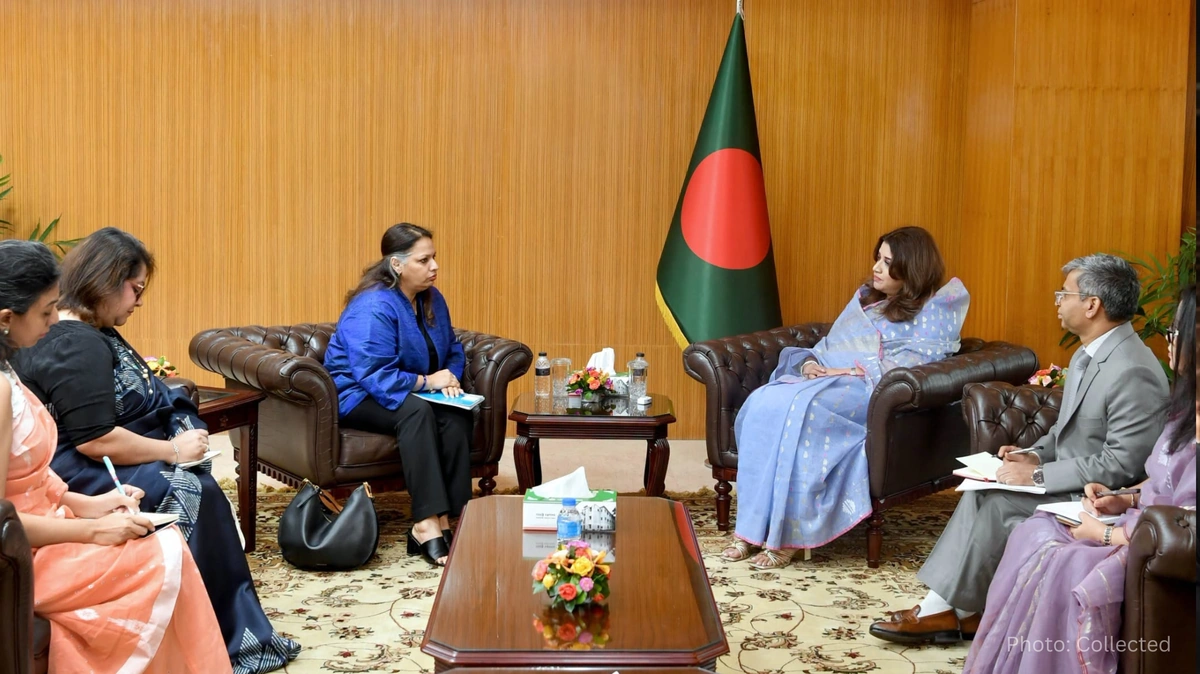
Bangladesh Seeks UN Women Support on Digital Harassment and Women’s Empowerment
-
Bangladesh, Australia Discuss Human Trafficking, Irregular Migration and Rohingya Crisis
-

Bangladesh Plans Internet-Free Access to Mobile Banking and Financial Apps
-
DU to Open Undergraduate Admission Applications on 11 November, Tests Begin 5 December


