China Proposes Bangladesh–Myanmar Economic Corridor as Dhaka and Beijing Deepen Strategic Cooperation
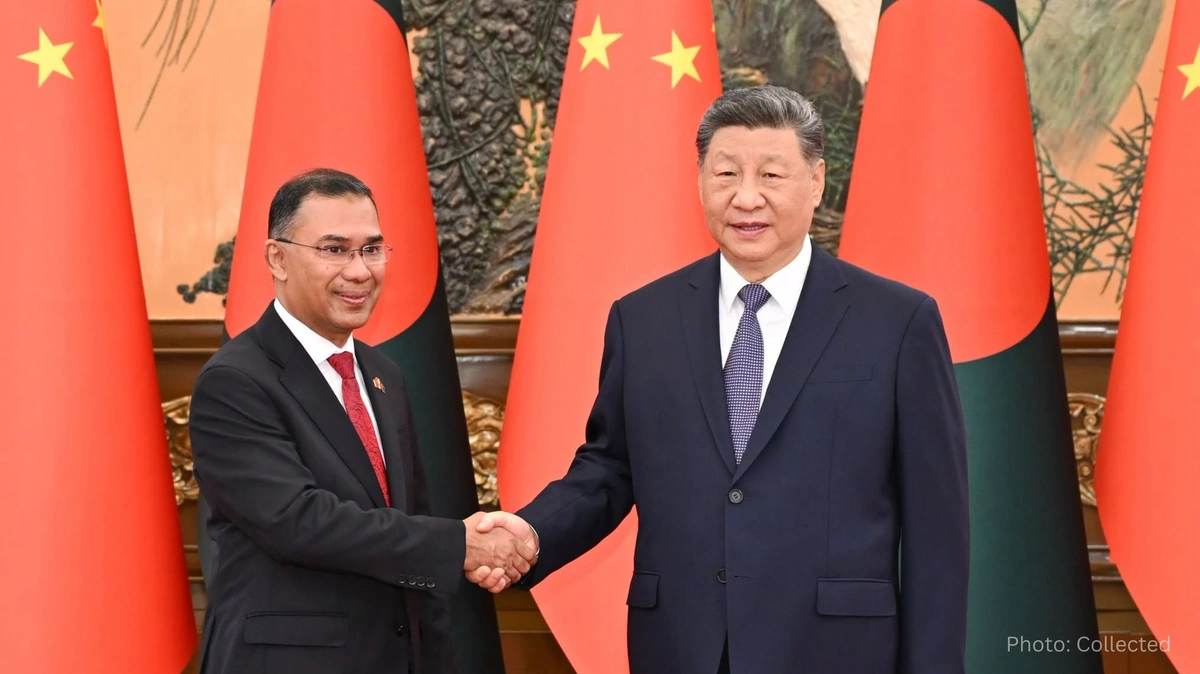
China has proposed a new economic corridor linking Bangladesh, Myanmar and China to strengthen regional connectivity, trade and investment. The proposal emerged during high-level talks between Chinese President Xi Jinping and Bangladesh Prime Minister Tarique Rahman in Beijing, where the two sides also witnessed the signing of 17 cooperation agreements spanning infrastructure, business and political collaboration.
China has proposed the establishment of a regional economic corridor connecting Bangladesh, Myanmar and China, marking a potentially significant step toward expanding trade, transport links and economic integration across South and Southeast Asia. The proposal was discussed during a bilateral meeting between Chinese President Xi Jinping and Bangladesh Prime Minister Tarique Rahman at the Great Hall of the People in Beijing on Friday.
According to Bangladesh Prime Minister's Office (PMO) spokesperson Mahdi Amin, the leaders held comprehensive discussions on regional connectivity and explored ways to enhance long-term economic cooperation between the neighboring countries. The proposed corridor is intended to improve cross-border transportation, facilitate trade flows and create new opportunities for investment throughout the region.
Briefing journalists after the meeting, Mahdi Amin said both leaders devoted considerable attention to connectivity issues, with China presenting a proposal for developing an economic corridor that would link Bangladesh, Myanmar and China's southwestern region.
If implemented, the initiative could strengthen multimodal transport networks by integrating road, rail and maritime infrastructure, making the movement of goods and services more efficient. Officials believe such a corridor could also improve regional supply chains, reduce transportation costs and enhance economic cooperation among participating countries.
The proposal comes as Bangladesh seeks to diversify its trade partnerships, expand export markets and attract greater foreign investment while improving its transport and logistics infrastructure. China remains one of Bangladesh's largest development partners, financing several major infrastructure projects, including bridges, highways, power plants and industrial zones.
Beyond the corridor proposal, the visit produced a series of cooperation agreements that reflect the growing depth of bilateral relations. Mahdi Amin confirmed that a total of 17 Memorandums of Understanding (MoUs) were signed during Prime Minister Tarique Rahman's visit to Beijing.
Among them, 13 MoUs were concluded following the official bilateral talks between Prime Minister Rahman and Chinese Premier Li Qiang. The agreements cover multiple sectors aimed at strengthening economic collaboration and expanding development partnerships between the two countries.
In addition, three separate agreements were signed between the Bangladesh Investment Development Authority (BIDA) and Chinese business organizations, underscoring efforts to encourage greater Chinese investment in Bangladesh's manufacturing, industrial and technology sectors.
Another agreement established cooperation between the Communist Party of China (CPC) and the Bangladesh Nationalist Party (BNP), highlighting political engagement alongside economic collaboration.
Officials believe the newly signed agreements could pave the way for increased Chinese participation in Bangladesh's economic development, particularly in infrastructure, industrial production, logistics and investment promotion. The discussions also reflected a shared interest in creating more resilient regional trade networks amid evolving global economic conditions.
The proposed Bangladesh–Myanmar–China economic corridor, if advanced through detailed planning and regional consultation, could become an important component of broader connectivity initiatives across Asia. Improved transportation links may facilitate smoother movement of goods, strengthen regional commerce and enhance access to international markets for businesses operating within the participating countries.
While further negotiations, feasibility assessments and cooperation among all stakeholders would be required before the project moves forward, the proposal signals Beijing's continued interest in expanding regional economic integration with Bangladesh playing a strategic role as a gateway between South and Southeast Asia.
The discussions in Beijing and the signing of multiple cooperation agreements underscore the continued momentum in Bangladesh-China relations, with both governments expressing interest in expanding collaboration across trade, investment, connectivity and long-term economic development.
Related News



You may like




Tom Holland Says Marvel Has a Plan for the Next Spider-Man
August 1, 2026
Elected News
-
Bangladesh Seeks UN Women Support on Digital Harassment and Women’s Empowerment
-
Bangladesh, Australia Discuss Human Trafficking, Irregular Migration and Rohingya Crisis
-
Bangladesh Plans Internet-Free Access to Mobile Banking and Financial Apps
-
DU to Open Undergraduate Admission Applications on 11 November, Tests Begin 5 December


