Understanding the Causes of Maternal and Child Mortality: A Persistent Global Health Challenge
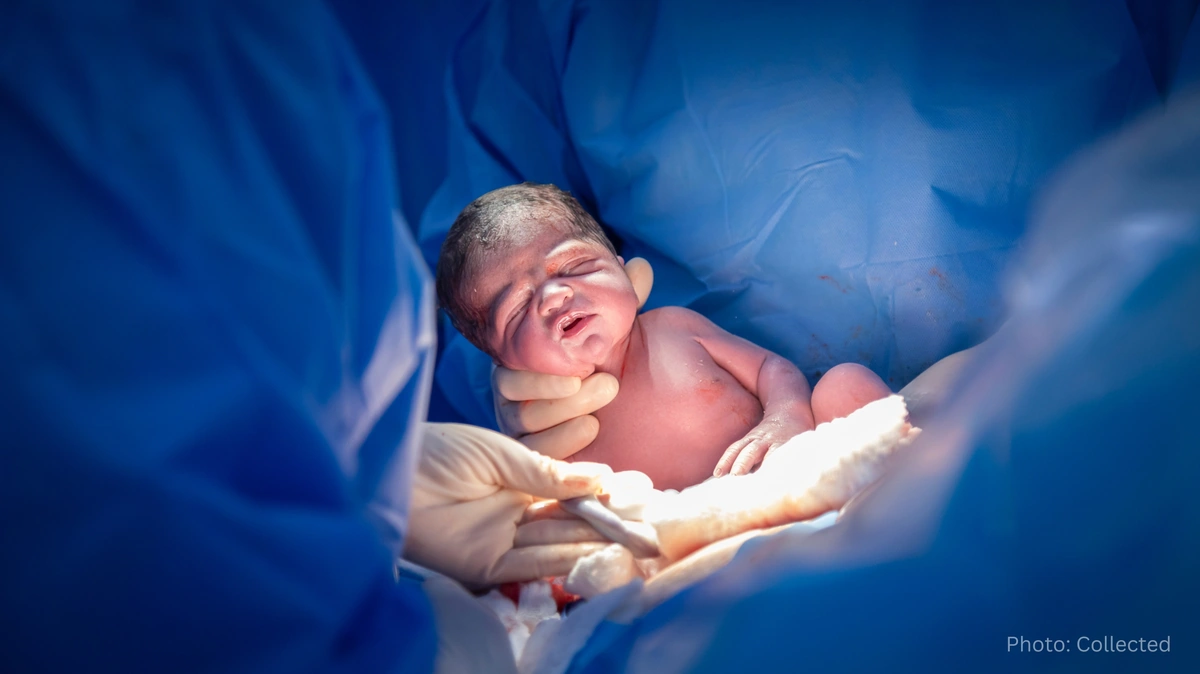
Maternal and child mortality remain major public health concerns in many developing countries. Health experts say most deaths are preventable through improved healthcare access, timely medical intervention, proper nutrition, and increased awareness.
Maternal and child mortality continue to pose significant challenges to healthcare systems worldwide, particularly in low- and middle-income countries. Despite substantial progress over the past two decades, thousands of women and children still die each year from preventable causes linked to pregnancy, childbirth, and early childhood illnesses.
Health professionals emphasize that reducing maternal and child mortality is one of the most important indicators of a country's healthcare development. Experts argue that many of these deaths can be avoided through quality healthcare services, skilled medical attendance during childbirth, and improved access to essential health resources.
Maternal mortality refers to the death of a woman during pregnancy, childbirth, or within weeks after delivery due to complications related to pregnancy or its management. According to global health organizations, severe bleeding remains one of the leading causes of maternal deaths worldwide. Postpartum hemorrhage, which occurs after childbirth, can rapidly become life-threatening if emergency treatment is not available.
Hypertensive disorders of pregnancy, including preeclampsia and eclampsia, are another major contributor to maternal mortality. These conditions can cause dangerously high blood pressure, seizures, organ damage, and complications that threaten both mother and baby if not properly managed.
Infections acquired during pregnancy, childbirth, or the postnatal period also account for a significant number of maternal deaths. Limited access to clean delivery environments, delayed diagnosis, and inadequate medical care can increase the risk of severe infections and complications.
Unsafe abortions continue to contribute to maternal mortality in many regions. Health experts note that lack of access to reproductive healthcare services and family planning information often increases the likelihood of unsafe procedures, putting women's lives at risk.
Other contributing factors include anemia, malnutrition, diabetes, heart disease, and delays in seeking medical attention. In many rural and underserved communities, women face barriers such as transportation challenges, financial constraints, and shortages of healthcare professionals, which can delay lifesaving treatment.
Child mortality, particularly among newborns and children under five years of age, remains another pressing concern. Neonatal complications account for a large proportion of child deaths. Premature birth, birth asphyxia, and infections during the first month of life are among the leading causes of neonatal mortality.
Pneumonia remains one of the most common infectious causes of death among young children worldwide. The respiratory illness can become fatal when diagnosis and treatment are delayed, especially in areas with limited healthcare access.
Diarrheal diseases continue to claim the lives of many children despite being largely preventable through clean water, proper sanitation, vaccination, and timely medical care. Severe dehydration resulting from diarrhea can become life-threatening if not treated promptly.
Malnutrition is another critical factor underlying child mortality. Children suffering from undernutrition often have weakened immune systems, making them more vulnerable to infections and illnesses. Poor maternal nutrition during pregnancy can also increase health risks for newborns.
Vaccine-preventable diseases such as measles, whooping cough, and other infectious illnesses continue to cause deaths in communities with low immunization coverage. Public health experts stress that routine vaccination remains one of the most effective tools for reducing child mortality.
Healthcare specialists believe that improving maternal and child health requires a comprehensive approach. Expanding prenatal and postnatal care services, increasing access to skilled birth attendants, strengthening emergency healthcare systems, promoting childhood immunization, and addressing malnutrition are considered essential measures.
Governments, international organizations, and healthcare providers continue to invest in programs aimed at protecting mothers and children. Experts say that with sustained commitment, improved healthcare infrastructure, and greater public awareness, many maternal and child deaths can be prevented, helping families and communities achieve healthier futures.
Related News



You may like




Tom Holland Says Marvel Has a Plan for the Next Spider-Man
August 1, 2026
Elected News
-
Bangladesh Seeks UN Women Support on Digital Harassment and Women’s Empowerment
-
Bangladesh, Australia Discuss Human Trafficking, Irregular Migration and Rohingya Crisis
-
Bangladesh Plans Internet-Free Access to Mobile Banking and Financial Apps
-
DU to Open Undergraduate Admission Applications on 11 November, Tests Begin 5 December


