Air Pollution Linked to Rising Respiratory Diseases, Health Experts Warn
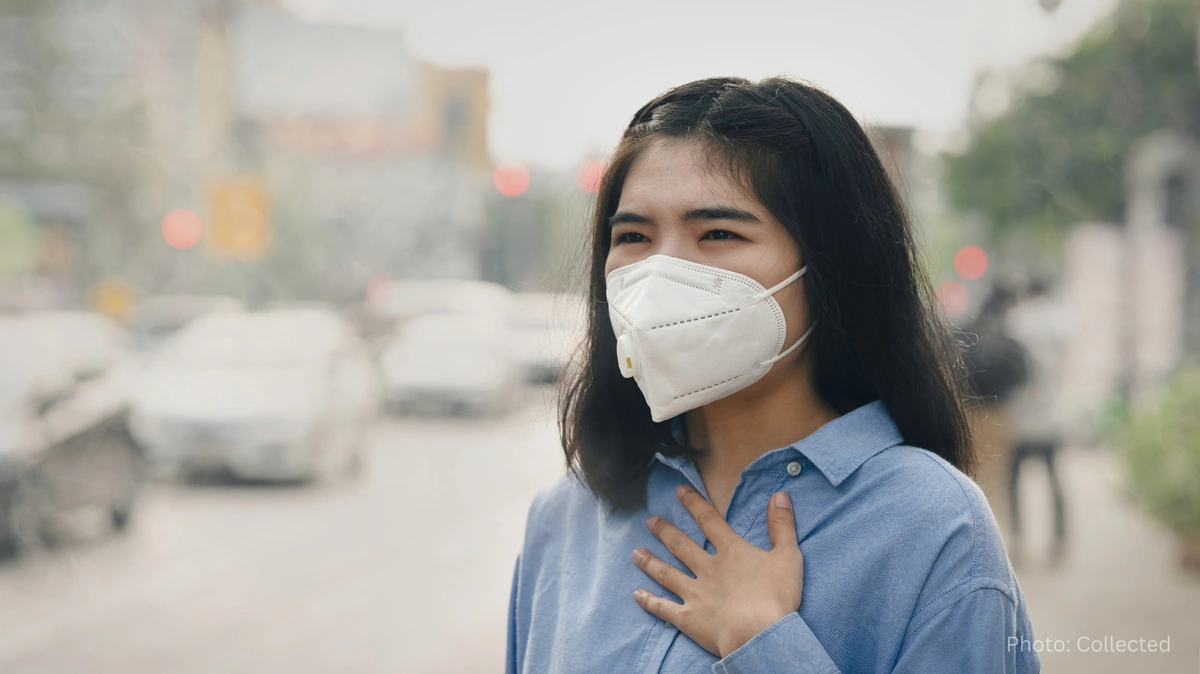
Growing levels of air pollution are contributing to an increase in respiratory illnesses worldwide. Medical experts say prolonged exposure to polluted air can significantly impact lung health, particularly among children, the elderly, and individuals with pre-existing conditions.
Air pollution has emerged as one of the most pressing public health concerns of the modern era, with experts warning that deteriorating air quality is contributing to a growing burden of respiratory diseases across the globe. Rapid urbanization, industrial activities, vehicle emissions, and the burning of fossil fuels have intensified pollution levels in many cities, exposing millions of people to harmful airborne particles every day.
Health specialists describe air pollution as an invisible threat that affects individuals regardless of age or socioeconomic status. While its effects may not always be immediately apparent, long-term exposure can cause significant damage to the respiratory system and increase the risk of chronic illnesses.
One of the primary pollutants of concern is particulate matter, commonly known as PM2.5 and PM10. These microscopic particles are small enough to penetrate deep into the lungs and, in some cases, enter the bloodstream. Once inhaled, they can trigger inflammation, reduce lung function, and contribute to a variety of respiratory and cardiovascular conditions.
Respiratory diseases associated with air pollution include asthma, chronic obstructive pulmonary disease (COPD), bronchitis, and lung infections. Individuals exposed to polluted air over extended periods may experience persistent coughing, wheezing, shortness of breath, chest discomfort, and increased susceptibility to respiratory illnesses.
Children are considered among the most vulnerable groups. Medical researchers have found that exposure to polluted air during childhood can interfere with lung development and increase the likelihood of respiratory disorders later in life. Children who live near busy roads, industrial zones, or areas with poor air quality often face a higher risk of asthma and recurrent respiratory infections.
Older adults are also particularly susceptible to the effects of air pollution. Age-related declines in lung function and the presence of underlying health conditions can make it more difficult for the body to cope with polluted environments. For many elderly individuals, poor air quality can worsen existing respiratory and cardiovascular diseases.
In addition to particulate matter, pollutants such as nitrogen dioxide, sulfur dioxide, ozone, and carbon monoxide contribute to declining air quality. These substances are released through industrial processes, power generation, transportation, and other human activities. Exposure to these pollutants can irritate airways, reduce oxygen delivery, and increase the frequency of respiratory symptoms.
Healthcare professionals have also raised concerns about the connection between air pollution and infectious respiratory diseases. Polluted air can weaken the body's natural defense mechanisms, making individuals more vulnerable to infections such as pneumonia and other respiratory illnesses.
Urban centers in developing countries often face particularly severe air quality challenges. Population growth, increased traffic congestion, construction activities, and industrial expansion have contributed to rising pollution levels in many major cities. Seasonal factors, including dry weather and temperature inversions, can further worsen air quality by trapping pollutants near the ground.
Governments and environmental agencies have introduced various measures aimed at reducing pollution, including stricter emission standards, cleaner transportation initiatives, expansion of renewable energy sources, and improved industrial regulations. Public health experts emphasize that reducing air pollution requires coordinated efforts from governments, businesses, and communities.
Individuals can also take steps to protect themselves during periods of poor air quality. Monitoring air quality reports, limiting outdoor activities when pollution levels are high, wearing appropriate protective masks, and maintaining indoor air cleanliness can help reduce exposure. Vulnerable populations are often advised to take extra precautions during severe pollution episodes.
Experts stress that improving air quality is not only an environmental objective but also a critical public health priority. Reducing pollution levels could prevent millions of cases of respiratory illness, improve quality of life, and lessen the burden on healthcare systems worldwide.
As awareness of the health impacts of air pollution continues to grow, researchers and policymakers are calling for stronger action to address the root causes of the problem. Ensuring cleaner air, they say, is essential for protecting current and future generations from the long-term consequences of respiratory disease.
Related News





You may like




Tom Holland Says Marvel Has a Plan for the Next Spider-Man
August 1, 2026
Elected News
-
Bangladesh Seeks UN Women Support on Digital Harassment and Women’s Empowerment
-
Bangladesh, Australia Discuss Human Trafficking, Irregular Migration and Rohingya Crisis
-
Bangladesh Plans Internet-Free Access to Mobile Banking and Financial Apps
-
DU to Open Undergraduate Admission Applications on 11 November, Tests Begin 5 December


