Death Toll Rises After Powerful Twin Earthquakes Strike Venezuela, Rescue Operations Continue
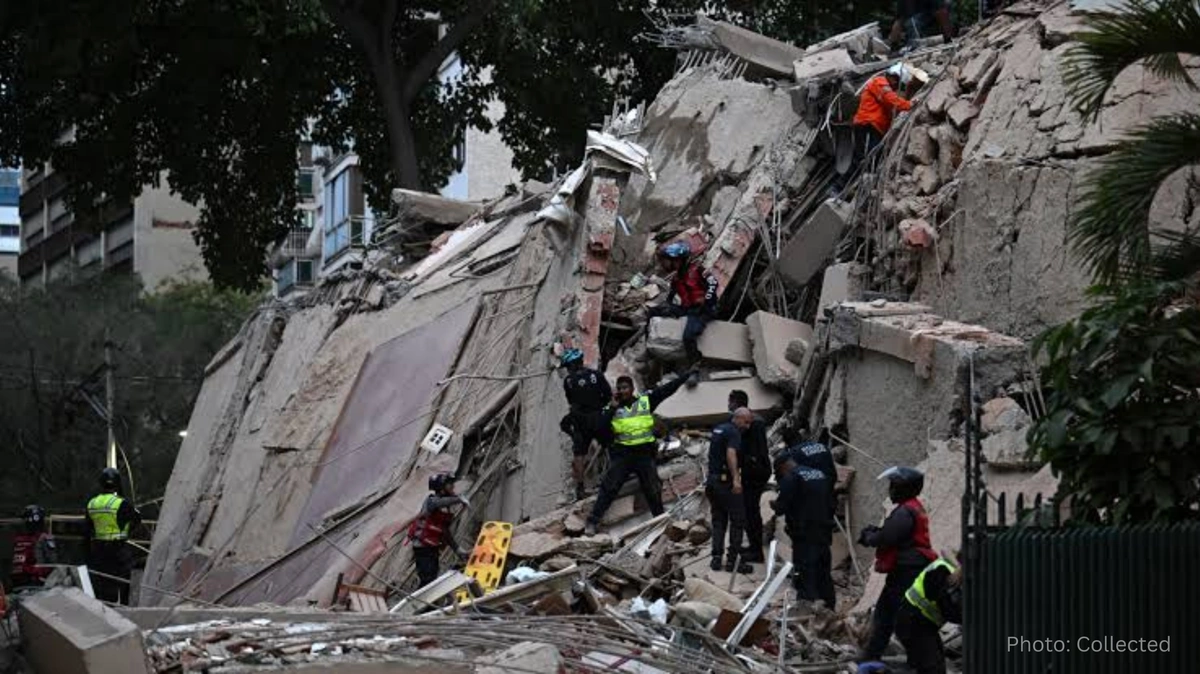
Venezuela has declared a state of emergency after two powerful earthquakes struck within seconds of each other, leaving at least 164 people dead, nearly 1,000 injured, and widespread destruction across several regions.
Venezuela is grappling with the aftermath of one of the most devastating natural disasters in its recent history after two powerful earthquakes struck the country within less than a minute of each other, causing significant loss of life and widespread damage.
Authorities confirmed that at least 164 people have been killed and nearly 1,000 others injured following the twin earthquakes that rocked the South American nation on Wednesday evening. Officials warned that the death toll could rise further as emergency crews continue searching for survivors trapped beneath collapsed buildings.
According to preliminary reports, the first earthquake measured 7.2 in magnitude and struck western Venezuela near the state of Yaracuy. Just 39 seconds later, a second and even stronger quake measuring 7.5 magnitude hit nearby at a shallower depth, intensifying the destruction across affected regions.
The powerful tremors were felt throughout the capital, Caracas, where buildings swayed violently and residents rushed into the streets seeking safety. Several structures suffered major damage, while some residential and commercial buildings collapsed entirely.
Government officials identified the northern coastal region of La Guaira as the hardest-hit area, though multiple states along Venezuela’s northern corridor also reported extensive damage. Emergency services have been deployed across affected regions as authorities attempt to assess the full scale of the disaster.
Interior Ministry officials reported more than 20 aftershocks since the initial earthquakes, creating additional challenges for rescue workers and raising concerns about further structural collapses. Residents have been urged to remain away from damaged buildings and follow emergency instructions.
The earthquakes struck during a national holiday, a factor that may have increased the number of people inside homes and public venues at the time of the disaster. Emergency responders worked through the night using heavy equipment, rescue dogs, and specialized search teams to locate survivors beneath the rubble.
In Caracas, rescue teams focused on several heavily affected neighborhoods where multiple buildings sustained severe damage. Local authorities reported successful rescues in the early hours following the disaster, but many people remain unaccounted for.
Transportation and communication infrastructure have also been impacted. Venezuela's main international airport suspended operations after suffering earthquake-related damage, while metro, rail, and other public transport services were halted nationwide. Internet disruptions and fuel supply interruptions have also been reported in several areas.
The government has declared a nationwide state of emergency, allowing authorities to mobilize additional personnel, resources, and emergency funding to support rescue and recovery efforts. Schools have been temporarily closed, and many residents are spending nights outdoors due to concerns about building stability and potential aftershocks.
International assistance is already beginning to arrive. Several countries across the Americas have expressed solidarity with Venezuela and pledged humanitarian support. Search-and-rescue teams, medical personnel, emergency supplies, and specialized equipment are being prepared for deployment to assist local authorities.
The United States announced plans to provide emergency assistance, including rescue teams and humanitarian aid. Other nations in the region have also offered support, while international organizations are monitoring developments and coordinating relief efforts.
Experts noted that the affected region is particularly vulnerable to earthquake damage due to a combination of geological factors and building construction methods. The strength of the twin earthquakes, combined with their relatively shallow depth, contributed to the severe ground shaking experienced across northern Venezuela.
As rescue operations continue, authorities remain focused on locating survivors, restoring essential services, and providing shelter to thousands of displaced residents. The coming days are expected to be critical as emergency crews work around the clock in the hope of finding more people alive beneath the debris while assessing the full extent of the disaster's impact on the country.
Related News


You may like




Tom Holland Says Marvel Has a Plan for the Next Spider-Man
August 1, 2026
Elected News
-
Bangladesh Seeks UN Women Support on Digital Harassment and Women’s Empowerment
-
Bangladesh, Australia Discuss Human Trafficking, Irregular Migration and Rohingya Crisis
-
Bangladesh Plans Internet-Free Access to Mobile Banking and Financial Apps
-
DU to Open Undergraduate Admission Applications on 11 November, Tests Begin 5 December


