Iran Announces Funeral Schedule for Late Supreme Leader Ali Khamenei
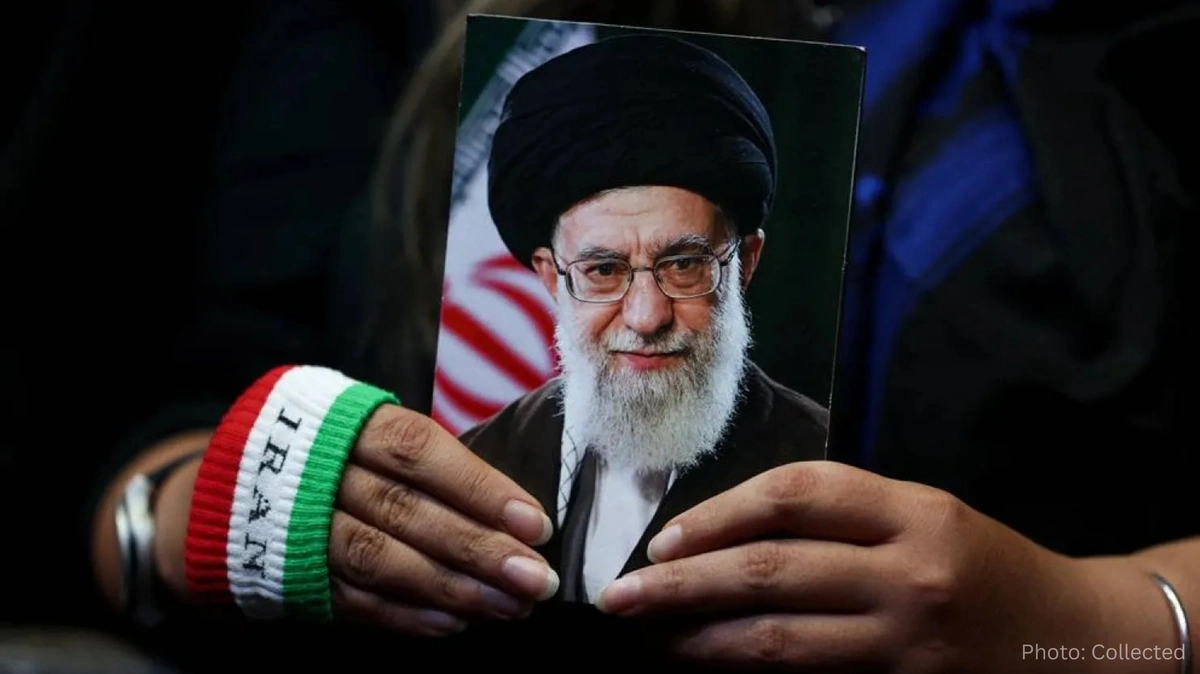
Iranian authorities have confirmed the dates and locations for the funeral and burial of former Supreme Leader Ali Khamenei, with ceremonies set to take place in Tehran and Qom before his final interment in Mashhad.
Iran has officially announced the funeral arrangements for its late Supreme Leader, Ayatollah Ali Khamenei, with a series of ceremonies scheduled across the country before his burial in his hometown of Mashhad next month.
According to Iranian state media, funeral proceedings will begin in the capital, Tehran, on July 4, marking the start of several days of national mourning and remembrance. The ceremonies in Tehran are expected to continue for three days, drawing senior officials, religious figures, and mourners from across the country.
Following the events in the capital, an additional funeral ceremony will be held on July 7 in the holy city of Qom, one of the most significant centres of Shia Islamic scholarship and religious authority in Iran.
Khamenei is scheduled to be laid to rest in Mashhad on July 9, the northeastern city where he was born and spent part of his early life. Mashhad is home to the revered Imam Reza Shrine and holds deep religious significance for millions of Shia Muslims.
The burial had originally been planned for March but was postponed due to the prolonged conflict involving Iran, the United States, and Israel. Iranian authorities delayed the ceremonies as the regional war intensified and security conditions remained uncertain.
Khamenei, who was 86 years old, was killed in a joint US-Israeli air strike on his compound in February, an event that dramatically altered the political landscape of the Middle East and intensified tensions throughout the region.
He had served as Iran's Supreme Leader since 1989, succeeding Ayatollah Ruhollah Khomeini following the latter's death. During his more than three decades in power, Khamenei became the country's highest political and religious authority, overseeing major domestic policies, regional strategies, and Iran's response to international pressure.
While Ayatollah Khomeini is widely remembered as the architect of Iran's 1979 Islamic Revolution that ended the Pahlavi monarchy, Khamenei played a pivotal role in shaping the modern Iranian state. Under his leadership, Iran expanded its military capabilities, strengthened its regional alliances, and adopted a posture of resistance against Western influence and sanctions.
Attention has increasingly shifted to Iran's current leadership structure following Khamenei's death. His successor, Mojtaba Khamenei, has largely remained out of public view since the outbreak of the US-Israel conflict with Iran. However, reports from diplomatic circles suggest he may be assuming a more active role behind the scenes as negotiations aimed at ending the regional crisis continue.
The upcoming funeral ceremonies are expected to be among the largest public events in Iran's recent history, symbolising both national mourning and a significant moment of political transition.
As Iran prepares to bid farewell to one of the most influential figures in its contemporary history, the ceremonies will not only commemorate Khamenei's legacy but also mark the beginning of a new chapter for the Islamic Republic amid a rapidly evolving regional landscape.
Related News


You may like




Tom Holland Says Marvel Has a Plan for the Next Spider-Man
August 1, 2026
Elected News
-
Bangladesh Seeks UN Women Support on Digital Harassment and Women’s Empowerment
-

Bangladesh, Australia Discuss Human Trafficking, Irregular Migration and Rohingya Crisis
-

Bangladesh Plans Internet-Free Access to Mobile Banking and Financial Apps
-
DU to Open Undergraduate Admission Applications on 11 November, Tests Begin 5 December


