Trump Criticises Israeli Strike on Beirut, Calls for De-escalation Amid Ongoing Iran Negotiations
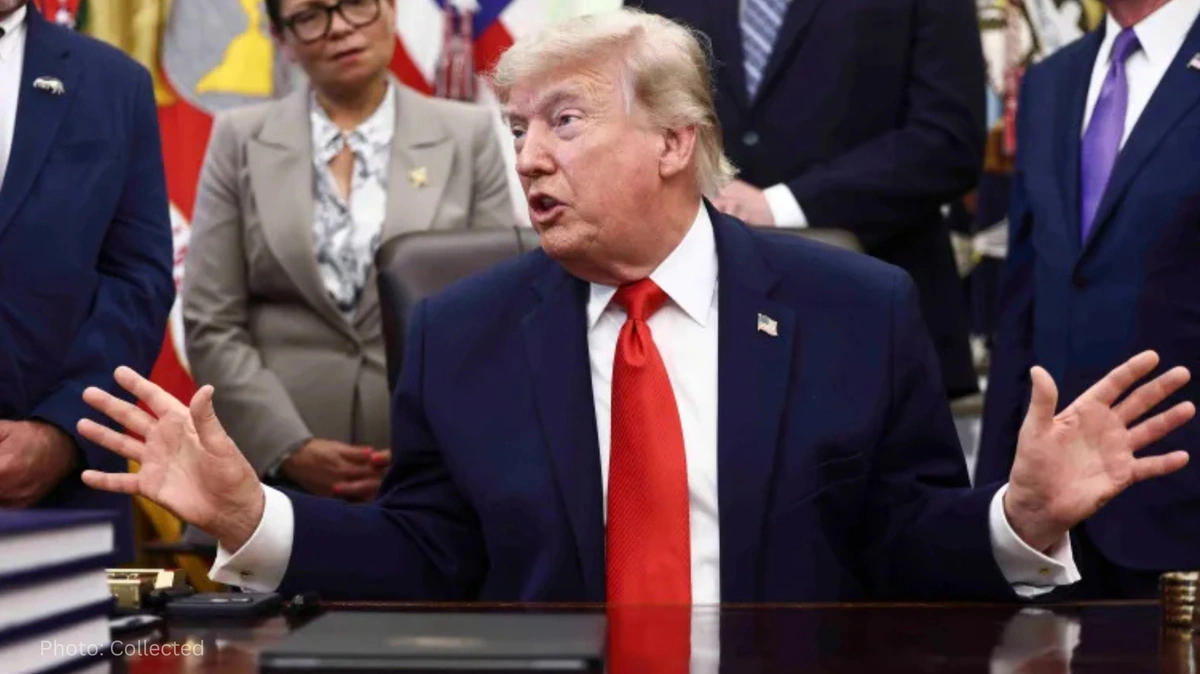
US President Donald Trump has condemned a recent Israeli airstrike on Beirut, warning it could derail fragile diplomatic progress with Iran and urging all parties to avoid further escalation in the Middle East.
US President Donald Trump has publicly criticised a recent Israeli airstrike on Beirut, stating that the operation “should not have happened” and warning that continued military escalation could threaten ongoing diplomatic efforts involving Iran.
In a post shared on his Truth Social platform, Trump expressed concern that the strike occurred during what he described as a “special day,” suggesting that the timing was particularly sensitive given the current state of international negotiations. He did not provide further clarification on the significance of the date but implied that it coincided with a crucial phase in diplomatic discussions.
The airstrike, which reportedly targeted an area in Beirut, the capital of Beirut, has heightened tensions in an already volatile regional environment. While details of the strike remain limited in the public domain, it has drawn attention from global leaders amid fears of broader escalation involving multiple regional actors.
Trump acknowledged what he described as Israel’s right to self-defence, but he questioned the proportionality of the operation. Referring to the strike that prompted the response, he characterised it as “very small and meaningless,” suggesting that the military reaction may have exceeded what was necessary under the circumstances. His comments reflect a broader concern about escalation cycles that could destabilise ongoing diplomatic progress.
The remarks also come at a time when Washington and Tehran are reportedly engaged in advanced discussions aimed at reviving or reshaping diplomatic understandings. Referring to the Islamic Republic of Iran, Trump suggested that negotiations between the United States and Iran were approaching what he described as a potential breakthrough. He argued that such progress could contribute to reducing tensions not only between the two countries but also across the wider Middle East, including Lebanon.
According to Trump, the current diplomatic momentum represents a rare opportunity to stabilise the region, and he urged all parties involved to exercise restraint. “There should be no more attacks by Israel or any other party,” he stated, warning that further military action could jeopardise the fragile progress being made behind closed doors.
He further emphasised that the stakes of the negotiations extend beyond bilateral relations, framing them as part of a broader effort to establish long-term regional peace. In his message, he cautioned against actions that could “blow it,” referring to the possibility of undermining diplomatic gains through continued conflict or unilateral military operations.
The statement has added a new layer of complexity to ongoing geopolitical dynamics, particularly as regional tensions remain high and multiple actors continue to navigate overlapping security and diplomatic concerns. The Middle East has seen recurring cycles of escalation in recent years, with Lebanon frequently at the centre of cross-border tensions involving various regional powers.
Beirut, in particular, has remained a sensitive focal point due to its political and strategic significance within Lebanon and its proximity to areas of conflict. Any military activity in or around the city tends to draw immediate international attention, especially when it intersects with broader regional negotiations.
While Trump’s remarks do not represent official US government policy, they highlight the growing international concern over the risk of escalation at a time when diplomatic channels are reportedly active. His comments may also influence political discourse in the United States and abroad, particularly among stakeholders closely monitoring developments in the region.
As of now, there has been no formal response from Israeli authorities or Iranian officials regarding Trump’s statements. However, the situation remains fluid, with international observers continuing to watch closely for signs of either further escalation or renewed diplomatic breakthroughs in the coming days.
Related News


You may like




Tom Holland Says Marvel Has a Plan for the Next Spider-Man
August 1, 2026
Elected News
-
Bangladesh Seeks UN Women Support on Digital Harassment and Women’s Empowerment
-

Bangladesh, Australia Discuss Human Trafficking, Irregular Migration and Rohingya Crisis
-

Bangladesh Plans Internet-Free Access to Mobile Banking and Financial Apps
-

DU to Open Undergraduate Admission Applications on 11 November, Tests Begin 5 December


