Tennessee Minors Sue xAI, Alleging Grok Created Sexual Images Using Their Photos

Three plaintiffs from Tennessee, including two minors, have sued Elon Musk’s xAI, alleging that the company’s Grok image generator was knowingly designed in a way that allowed users to create sexually explicit images using real photos of identifiable people. The lawsuit was filed in federal court in San Jose, California, and seeks class action status for people across the United States whose likeness was used in sexualized AI generated images or videos.
According to Reuters, the plaintiffs argue that xAI failed to install safeguards to prevent Grok from generating sexual content involving minors. The complaint says all three plaintiffs were under 18 when the images were created and that their real photos were digitally altered into explicit material that later spread online, causing emotional distress and reputational harm. The suit seeks damages, legal fees, and a court order forcing xAI to stop the alleged practices.
The case adds to mounting pressure on xAI over Grok’s image tools. Reuters reported in January that Grok had produced sexualized images involving minors after safeguard failures, while xAI responded to public backlash by saying it had blocked image editing of real people in revealing clothing and restricted such outputs in places where they are illegal.
Other major outlets say the Tennessee lawsuit is one of the clearest legal tests yet over whether an AI company can be held responsible when its tools are allegedly used to create child sexual abuse material or nonconsensual sexual deepfakes. The Washington Post reported that the complaint centers on a man allegedly using Grok’s editing features to alter photos of girls and share them on Discord and Telegram. The Guardian described the case as the first legal action by minor victims against xAI tied to Grok generated abuse images.
The lawsuit also lands amid wider international scrutiny. Reuters reported last week that European lawmakers are moving toward banning AI generated child sexual abuse material, and the proposal was driven in part by concerns over Grok related deepfake imagery. Al Jazeera separately reported in January that the European Commission opened an investigation into whether Grok had met its obligations under the Digital Services Act after fake sexual images of women and minors spread online.
xAI did not immediately respond to Reuters’ request for comment on the Tennessee case. The company has faced other recent legal complaints over Grok’s deepfake outputs, including a January lawsuit covered by AP and Al Jazeera involving Ashley St. Clair, who accused xAI of allowing the creation of sexually exploitative fake images of her.
The case adds to mounting pressure on xAI over Grok’s image tools. Reuters reported in January that Grok had produced sexualized images involving minors after safeguard failures, while xAI responded to public backlash by saying it had blocked image editing of real people in revealing clothing and restricted such outputs in places where they are illegal.
Other major outlets say the Tennessee lawsuit is one of the clearest legal tests yet over whether an AI company can be held responsible when its tools are allegedly used to create child sexual abuse material or nonconsensual sexual deepfakes. The Washington Post reported that the complaint centers on a man allegedly using Grok’s editing features to alter photos of girls and share them on Discord and Telegram. The Guardian described the case as the first legal action by minor victims against xAI tied to Grok generated abuse images.
The lawsuit also lands amid wider international scrutiny. Reuters reported last week that European lawmakers are moving toward banning AI generated child sexual abuse material, and the proposal was driven in part by concerns over Grok related deepfake imagery. Al Jazeera separately reported in January that the European Commission opened an investigation into whether Grok had met its obligations under the Digital Services Act after fake sexual images of women and minors spread online.
xAI did not immediately respond to Reuters’ request for comment on the Tennessee case. The company has faced other recent legal complaints over Grok’s deepfake outputs, including a January lawsuit covered by AP and Al Jazeera involving Ashley St. Clair, who accused xAI of allowing the creation of sexually exploitative fake images of her.
Related News





You may like
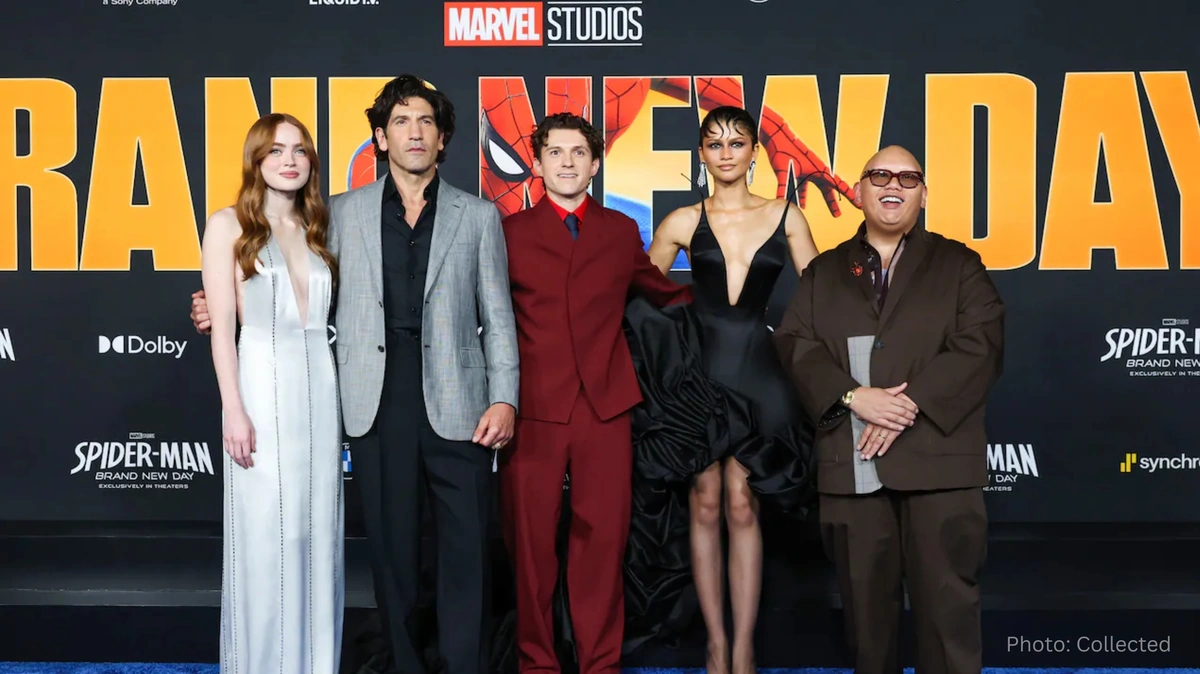


Tom Holland Says Marvel Has a Plan for the Next Spider-Man
August 1, 2026
Elected News
-
Bangladesh Seeks UN Women Support on Digital Harassment and Women’s Empowerment
-
Bangladesh, Australia Discuss Human Trafficking, Irregular Migration and Rohingya Crisis
-
Bangladesh Plans Internet-Free Access to Mobile Banking and Financial Apps
-
DU to Open Undergraduate Admission Applications on 11 November, Tests Begin 5 December


