Why AI Chatbots Cannot Replace Human Psychotherapists
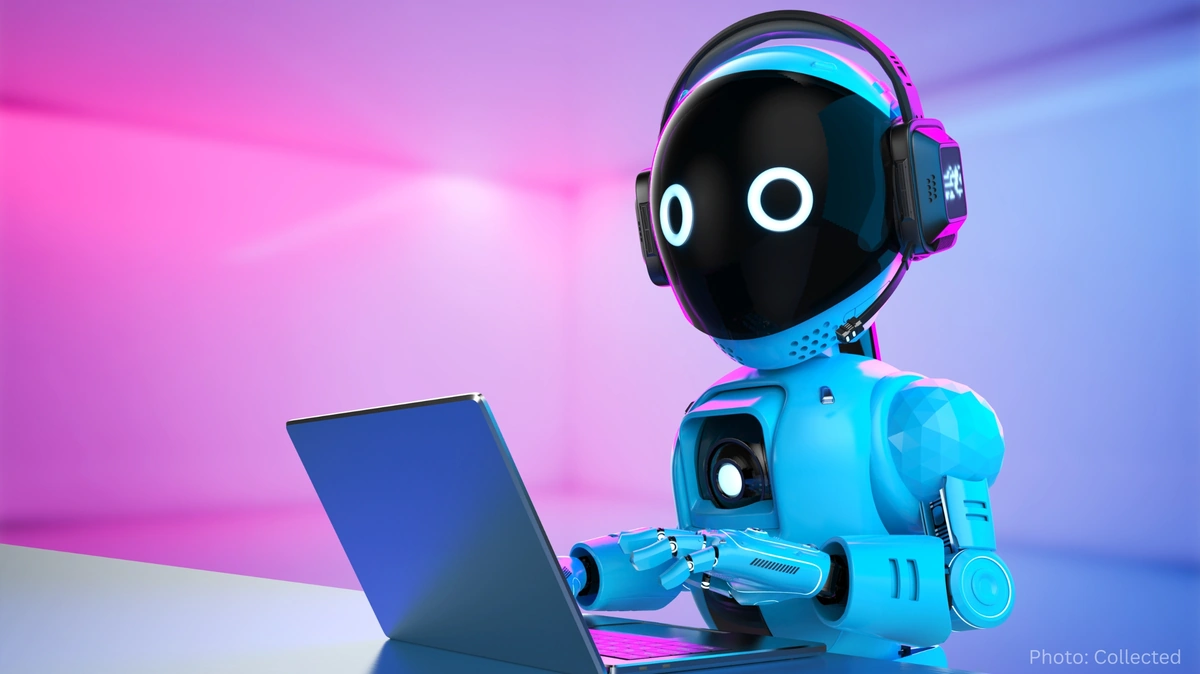
As generative AI tools become increasingly popular sources of emotional support and self-help, mental health experts warn that their lack of clinical judgment, ethical accountability, and therapeutic expertise poses serious risks, particularly for vulnerable users seeking professional guidance.
Artificial intelligence has rapidly become woven into everyday life, assisting people with everything from drafting documents and generating ideas to managing customer service inquiries. Increasingly, however, generative AI chatbots are also stepping into a far more sensitive space: mental health support.
Globally, hundreds of millions of people now interact with AI-powered platforms such as ChatGPT, Gemini, Claude, Grok, and Perplexity. In many cases, users turn to these tools not merely for information but for emotional reassurance, advice, companionship, and coping strategies during difficult periods of their lives.
The trend reflects a growing reality: access to mental healthcare remains inadequate for millions of people worldwide. Financial barriers, social stigma, shortages of qualified professionals, geographical disparities, and insufficient public investment continue to limit access to mental health services. In low- and middle-income countries, the situation is particularly severe.
In Bangladesh, the challenge is especially acute. According to the World Health Organization, the country has approximately 1,000 mental health professionals including psychiatrists, psychologists, psychiatric nurses, and mental health social workers to serve a population of more than 162 million people. For many individuals, especially those living outside major urban centres, obtaining timely professional support remains difficult.
Against this backdrop, AI chatbots have emerged as accessible and immediate alternatives. Available around the clock and capable of generating human-like responses, these systems can create conversations that appear empathetic and personalised. Their ability to respond in natural language often gives users the impression that they are being genuinely understood.
Mental health experts caution, however, that this perception can be misleading.
The illusion of understanding
Researchers have increasingly described this phenomenon as a "compassion illusion" the feeling that an artificial system truly comprehends human emotions and experiences.
Although AI-generated responses may sound caring and supportive, experts emphasise that these technologies do not possess clinical judgment, emotional awareness, professional accountability, or the ethical obligations required in psychotherapy.
Licensed therapists rely on years of education, supervised practice, diagnostic training, and evidence-based methods. They interpret verbal and non-verbal cues, assess risk factors, understand cultural and family contexts, and adapt interventions according to an individual's evolving needs.
AI systems, by contrast, generate responses based on patterns found in training data rather than genuine understanding.
As a result, they may fail to recognise the seriousness of situations involving severe depression, psychosis, trauma, personality disorders, or suicidal ideation.
Risks of self-diagnosis and misinformation
One of the emerging concerns among clinicians is the growing number of individuals arriving at appointments convinced they have specific mental health conditions based largely on information obtained online.
Professionals report that many young adults believe they have Attention Deficit Hyperactivity Disorder (ADHD) after interacting with digital tools or consuming mental health content on social media. Yet comprehensive assessments often reveal that they do not meet the criteria for diagnosis.
Symptoms commonly associated with ADHD including distractibility, forgetfulness, restlessness, and difficulty concentrating can also occur in individuals experiencing anxiety, depression, chronic stress, sleep deprivation, or panic disorders.
An inaccurate diagnosis can divert attention from the actual underlying issue, delaying appropriate treatment and, in some cases, leading to unnecessary medication use.
Mental health experts stress that accurate diagnosis requires detailed evaluation rather than checklist comparisons or algorithm-generated conclusions.
Validation without therapeutic challenge
Another concern lies in the way AI systems are designed to interact.
Many chatbots prioritise validation and emotional affirmation. While acknowledging someone's feelings can be helpful, effective psychotherapy involves more than reassurance.
Therapists often challenge distorted beliefs, identify harmful thinking patterns, encourage behavioural change, and gently confront maladaptive coping mechanisms.
An AI model optimised to appear supportive may inadvertently reinforce irrational fears, paranoia, self-destructive thoughts, or inaccurate perceptions because it lacks the nuanced clinical reasoning necessary to distinguish between validation and therapeutic intervention.
For individuals already vulnerable to psychological distress, such reinforcement can potentially worsen symptoms.
Privacy and ethical concerns
Mental health conversations frequently involve deeply personal disclosures about relationships, trauma, abuse, self-harm, grief, and suicidal thoughts.
Unlike traditional therapy settings governed by professional ethics and confidentiality standards, users may not fully understand how information shared with AI platforms is stored, processed, or used.
This raises important questions regarding privacy, informed consent, transparency, and accountability.
As AI becomes increasingly integrated into emotionally sensitive areas of life, experts argue that stronger safeguards and regulatory frameworks will be essential to protect users from potential misuse and unintended harm.
Adolescents and vulnerable users
The growing popularity of AI among adolescents has become another area of concern.
Studies suggest that a significant number of young people now seek emotional advice from chatbots instead of parents, teachers, counsellors, or healthcare professionals.
While digital tools may offer immediate responses, excessive dependence on them risks reducing real-world social interaction and weakening opportunities to build interpersonal coping skills.
Researchers have also warned that vulnerable users may seek dangerous guidance through these platforms, including information related to self-harm or suicide.
For this reason, experts argue that human relationships remain irreplaceable, particularly during adolescence and early adulthood, when emotional development and identity formation are still underway.
A tool to support, not replace
Despite these concerns, mental health professionals are not dismissing the role of artificial intelligence altogether.
Many experts believe AI can contribute meaningfully when used within clearly defined boundaries. Chatbots can help deliver psychoeducation, encourage emotional journaling, provide coping resources, assist with habit tracking, and motivate users to seek professional help.
When integrated responsibly into existing healthcare pathways, digital tools may improve awareness and expand access to support in resource-limited settings.
However, experts emphasise that they should complement not replace qualified mental health professionals.
The road ahead
Artificial intelligence holds tremendous potential to transform healthcare, including mental health services. Yet the technology remains in its early stages, and its long-term psychological effects are still being studied.
As governments, healthcare providers, educators, and technology companies navigate this evolving landscape, the challenge will be balancing innovation with safety.
For countries such as Bangladesh, where mental health resources remain scarce, AI offers both promise and caution. With appropriate regulation, professional oversight, cultural adaptation, and ethical safeguards, these tools could strengthen existing systems rather than undermine them.
Until then, experts maintain a clear message: AI chatbots may serve as useful companions, educational aids, and supplementary resources, but they cannot replace the expertise, empathy, accountability, and human connection provided by trained psychotherapists.
In matters of mental health, technology can assist the healing process but the therapeutic relationship between a patient and a qualified professional remains indispensable.
Related News





You may like




Tom Holland Says Marvel Has a Plan for the Next Spider-Man
August 1, 2026
Elected News
-

Bangladesh Seeks UN Women Support on Digital Harassment and Women’s Empowerment
-

Bangladesh, Australia Discuss Human Trafficking, Irregular Migration and Rohingya Crisis
-

Bangladesh Plans Internet-Free Access to Mobile Banking and Financial Apps
-

DU to Open Undergraduate Admission Applications on 11 November, Tests Begin 5 December


