Deadly Heatwave Grips Europe as Rising Temperatures Trigger Fatalities and Major Disruptions
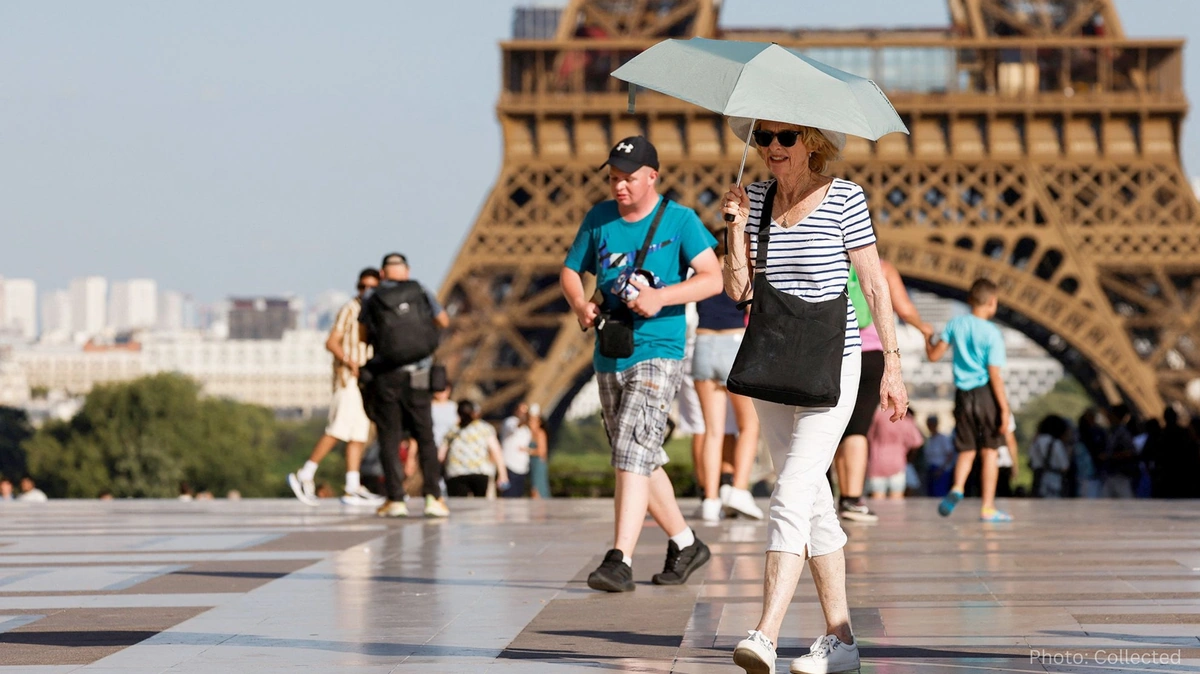
At least 40 people have drowned in France since the start of a severe heatwave as soaring temperatures continue to affect several European countries, prompting emergency warnings, transport concerns, and the early closure of major tourist attractions.
A powerful heatwave sweeping across Europe has claimed dozens of lives and disrupted daily activities in several countries, with France emerging as one of the hardest-hit nations. French authorities reported that at least 40 people have drowned since last Thursday as many residents sought relief from the extreme heat by swimming in rivers, lakes, and other waterways.
The unprecedented temperatures have affected large parts of France, Spain, Italy, Germany, Belgium, and the Netherlands, raising concerns among public health officials and climate experts. Authorities across the region have issued high-level weather alerts as temperatures continue to climb well above seasonal averages.
French Prime Minister Sébastien Lecornu confirmed the rising death toll linked to water-related incidents, while Sports and Youth Minister Marina Ferrari warned that many people were underestimating the dangers of swimming in unsafe locations during periods of extreme heat.
France recorded its hottest average June day on record on Tuesday, with nationwide temperatures reaching an average of 29.8 degrees Celsius. The country also experienced its warmest June night in recorded history, according to meteorological officials. More than half of France's administrative regions have been placed under the highest level of heat alert.
Authorities say the heatwave has encouraged thousands of people to seek cooling opportunities in rivers and reservoirs, often ignoring safety warnings. Among the victims was a 13-year-old girl who drowned in the Seine River after entering the water with family members despite being unable to swim.
Several other serious incidents have been reported across the country. Near Lyon, emergency services rescued a young professional footballer from the Rhône River, where swimming is prohibited. The athlete remains in critical condition in hospital.
In another tragic incident linked to the extreme weather, two young children, aged two and four, were found dead inside a family vehicle in the southern French city of Carpentras after being exposed to dangerous temperatures.
The heatwave has also caused significant disruptions to tourism and public infrastructure. Paris's iconic Eiffel Tower was forced to close several hours earlier than scheduled due to forecasts of extreme temperatures. Visitors were only allowed entry until midday, while the monument closed completely by late afternoon.
The Louvre Museum, the world's most visited museum, announced that it would shorten operating hours for several days, citing concerns about rising indoor temperatures and the building's limited ability to adapt to increasingly severe heat conditions.
Meanwhile, Spain remains under intense heat stress, with temperatures exceeding 40 degrees Celsius in several regions. Weather authorities issued red alerts across parts of Andalusia, Cantabria, and the Basque Country. Forecasters warned that some southern areas could experience temperatures as high as 44 degrees Celsius.
Spanish climate experts noted that heatwaves are becoming increasingly frequent and intense. Data from the country's meteorological agency indicate that mainland Spain recorded ten June heatwaves between 2000 and 2025, compared with only two during the previous quarter-century.
Italy has also activated red-alert warnings in 15 major cities, including Rome, Milan, Florence, Turin, and Venice. The warnings indicate conditions that pose serious health risks not only to vulnerable groups but also to healthy adults.
To protect outdoor workers, Italian authorities have reinstated emergency labor protection measures that limit work during the hottest hours of the day. Businesses forced to suspend operations because of dangerous temperatures will be eligible for government support.
Germany is also experiencing the effects of the heatwave, with temperatures expected to approach 40 degrees Celsius in parts of the country. Lifesaving organizations reported multiple fatal drowning incidents during the weekend, warning that many swimmers are overestimating their abilities in challenging water conditions.
The extreme weather has begun affecting critical infrastructure as well. In southwestern France, operators temporarily shut down the Golfech nuclear power plant after water temperatures in the Garonne River approached regulatory limits required for reactor cooling operations.
Meteorologists expect temperatures to begin easing across the Iberian Peninsula in the coming days. However, the heatwave is forecast to intensify further in parts of Belgium, the Netherlands, and Germany before conditions gradually improve.
Climate scientists continue to warn that rising global temperatures are increasing both the frequency and severity of heatwaves across Europe, making extreme weather events an increasingly significant challenge for governments, infrastructure systems, and public health authorities.
Related News




You may like




Tom Holland Says Marvel Has a Plan for the Next Spider-Man
August 1, 2026
Elected News
-
Bangladesh Seeks UN Women Support on Digital Harassment and Women’s Empowerment
-
Bangladesh, Australia Discuss Human Trafficking, Irregular Migration and Rohingya Crisis
-
Bangladesh Plans Internet-Free Access to Mobile Banking and Financial Apps
-
DU to Open Undergraduate Admission Applications on 11 November, Tests Begin 5 December


