Microfinance and Rural Entrepreneurship Drive Economic Opportunities Beyond Urban Centers
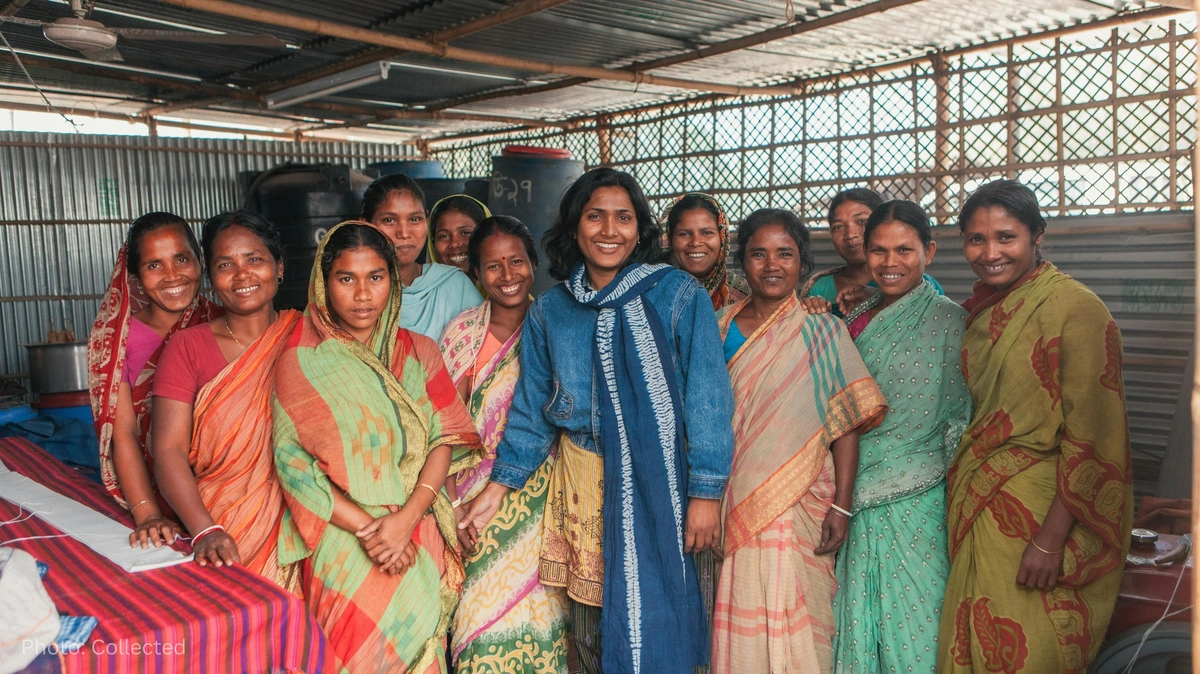
Small loans, community-based financial services, and growing entrepreneurial initiatives are transforming rural economies, empowering individuals to build sustainable livelihoods and contribute to local development despite ongoing challenges.
Microfinance institutions and rural entrepreneurs are increasingly being recognized as vital forces behind economic growth in underserved communities, offering pathways to financial inclusion and creating opportunities where access to traditional banking services remains limited.
Across many developing regions, rural populations continue to face significant barriers to obtaining formal credit. Conventional financial institutions often view small borrowers as high-risk clients due to limited collateral, irregular incomes, and geographical constraints. As a result, aspiring entrepreneurs in villages and remote areas frequently struggle to secure the capital needed to launch or expand their businesses.
Microfinance has emerged as a response to this gap, providing small loans, savings programs, and other financial services tailored to low-income households and micro-entrepreneurs. By extending access to credit, these institutions have enabled countless individuals particularly women to invest in income-generating activities ranging from agriculture and livestock rearing to handicrafts, retail shops, tailoring services, and food processing enterprises.
Supporters of microfinance argue that its impact extends beyond financial assistance. Access to even modest amounts of capital can help families diversify their income sources, improve household resilience, and reduce dependence on informal money lenders who often charge excessive interest rates. In many communities, microfinance programs are also accompanied by financial literacy training, business development guidance, and peer-support networks designed to strengthen entrepreneurial capacity.
Women have been among the most visible beneficiaries of rural microfinance initiatives. In many countries, female entrepreneurs have used small loans to establish home-based businesses, contribute to household incomes, and gain greater financial independence. Advocates say this economic participation can positively influence children's education, healthcare decisions, and overall family welfare.
At the same time, rural entrepreneurship is evolving beyond traditional activities. Improved connectivity, expanding mobile phone usage, and greater exposure to market information are encouraging rural business owners to explore new opportunities. Young entrepreneurs are increasingly adopting innovative approaches, including digital marketing, value-added agricultural products, eco-tourism ventures, and local service enterprises tailored to community needs.
Despite these advances, experts caution that microfinance should not be viewed as a universal solution to poverty. Borrowers operating in volatile markets may struggle to repay loans if businesses fail to generate expected returns. Natural disasters, climate-related shocks, fluctuating commodity prices, and economic downturns can further threaten the sustainability of rural enterprises.
Critics have also raised concerns regarding over-indebtedness in certain markets, emphasizing the importance of responsible lending practices. Transparency in loan agreements, fair interest structures, and borrower education are considered essential to ensuring that access to credit contributes to empowerment rather than financial distress.
Governments, development organizations, and private-sector stakeholders are increasingly exploring integrated approaches that combine financing with skills development, market access, infrastructure improvements, and technological support. Analysts suggest that rural entrepreneurship flourishes most effectively when entrepreneurs have access not only to credit but also to reliable transportation networks, digital services, training opportunities, and broader economic ecosystems.
Agriculture continues to remain at the heart of many rural economies, but entrepreneurs are finding opportunities throughout agricultural value chains. From food preservation and packaging to logistics and local processing, small businesses are helping create employment opportunities and retain more economic value within rural communities.
As countries seek inclusive growth models capable of reducing regional disparities, investment in rural entrepreneurship is gaining renewed attention. Policymakers increasingly view small enterprises as engines of job creation capable of slowing rural-to-urban migration while strengthening local economies.
For millions of people living outside major cities, microfinance and entrepreneurship represent more than economic concepts. They embody aspirations for self-reliance, dignity, and a chance to build a more secure future through hard work and innovation.
While challenges remain, the continued expansion of inclusive financial services and entrepreneurial support systems offers hope that rural communities can become active participants in national development rather than passive beneficiaries of it. The success of these efforts will depend on maintaining a balance between access to opportunity, responsible financial practices, and long-term investments that enable rural businesses to thrive in an increasingly interconnected world.
Related News



You may like




Tom Holland Says Marvel Has a Plan for the Next Spider-Man
August 1, 2026
Elected News
-

Bangladesh Seeks UN Women Support on Digital Harassment and Women’s Empowerment
-

Bangladesh, Australia Discuss Human Trafficking, Irregular Migration and Rohingya Crisis
-

Bangladesh Plans Internet-Free Access to Mobile Banking and Financial Apps
-

DU to Open Undergraduate Admission Applications on 11 November, Tests Begin 5 December


