Bangladesh to Expand Healthcare Access Through PPP Model and E-Health Card Pilot Programme
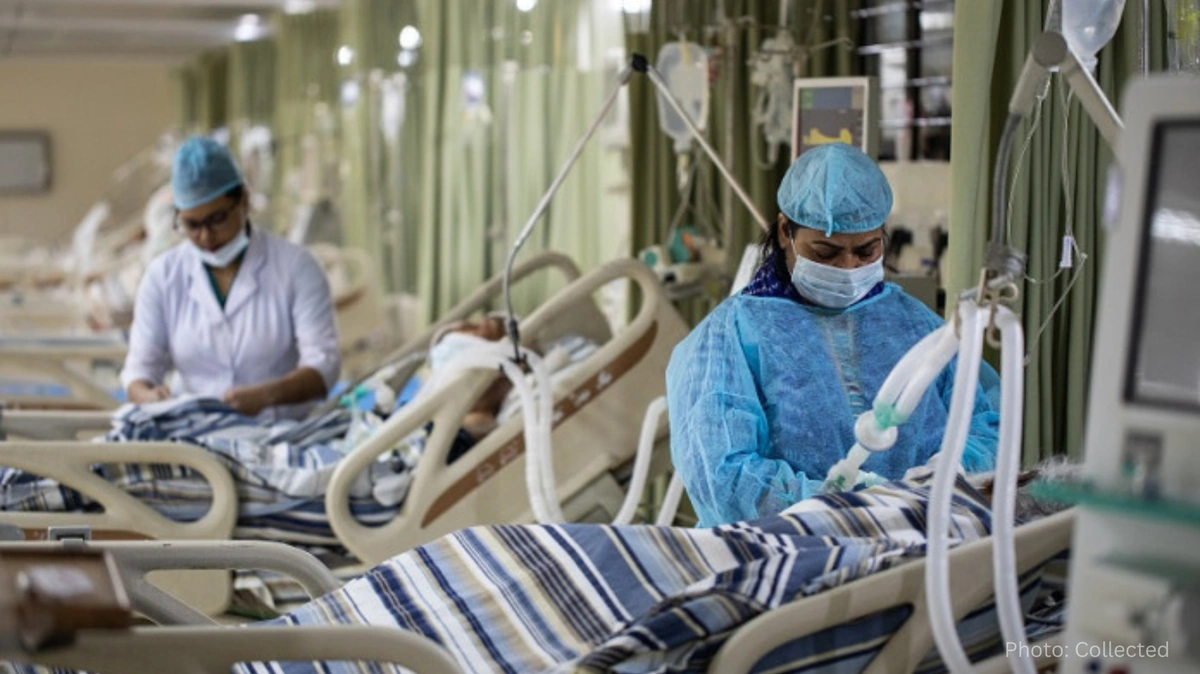
Government plans major health sector reform under “Healthy Bangladesh” initiative, including private hospital partnerships, digital health cards, and recruitment of 100,000 health workers.
The government has announced a wide-ranging healthcare reform plan under the “Healthy Bangladesh” initiative, introducing public-private partnership (PPP) services with private hospitals alongside a pilot e-health card system in selected districts to improve access, efficiency, and transparency in healthcare delivery.
The decisions were made during a high-level meeting held at the Ministry of Health and Family Welfare on 4 May, chaired by Health and Family Welfare Minister Sardar Md Sakhawat Husain. The programme is part of the government’s broader election manifesto commitments aimed at strengthening healthcare services nationwide.
Under the plan, the government will expand access to essential medical services in both urban and rural areas, with a focus on improving primary healthcare at the upazila level. Authorities aim to ensure the availability of qualified doctors, nurses, and midwives in rural health centres, while also enhancing emergency and pre-hospital care services across the country.
As part of urban healthcare reforms, 192 urban primary healthcare centres currently managed under local government institutions will be transferred to the Health Services Division. The move is intended to centralise management and improve service delivery standards in densely populated urban regions.
The government also confirmed that initial PPP arrangements will be introduced with four private hospitals in the capital. One of the institutions, Shahabuddin Medical College Hospital, is already in the process of being brought under the new framework. Officials have been instructed to complete a significant portion of preparatory work within three months to accelerate implementation.
A key component of the initiative is the introduction of e-health cards, which will be piloted in five districts: Narsingdi, Sirajganj, Bogura, Noakhali, and Khulna. The digital system is designed to streamline patient records, reduce administrative inefficiencies, and minimise corruption risks in healthcare access. At least one upazila in each pilot district is expected to be fully integrated into the digital system by the end of June.
The pilot programme, with an estimated initial cost of around $4.5 million, is currently under development through a formal project proposal process. Authorities say the system will allow patients to access healthcare services more directly and efficiently through digital identification.
In addition, the government is planning to establish a national emergency healthcare call centre by integrating existing services into a unified hotline. The centre will employ trained operators and paramedic assistants to assess patient needs and provide guidance for treatment or referral to appropriate facilities.
To strengthen primary healthcare delivery, the government also plans to recruit approximately 100,000 health workers over the next three years. These workers will support rural healthcare outreach, cancer awareness campaigns, and community-level health services, particularly through Community Health Care Providers and Family Welfare Visitors.
Officials also highlighted concerns regarding inefficiencies in the health sector, noting that up to 20–25 percent of allocated health budgets remain unspent each year. The new initiative seeks to improve budget utilisation, accountability, and overall service effectiveness.
The “Healthy Bangladesh” programme is expected to roll out in phases, combining infrastructure development, digital transformation, and expanded public-private collaboration to modernise the country’s healthcare system and improve access to essential services across both urban and rural populations.
Related News

You may like



Tom Holland Says Marvel Has a Plan for the Next Spider-Man
August 1, 2026
Elected News
-
Bangladesh Seeks UN Women Support on Digital Harassment and Women’s Empowerment
-
Bangladesh, Australia Discuss Human Trafficking, Irregular Migration and Rohingya Crisis
-
Bangladesh Plans Internet-Free Access to Mobile Banking and Financial Apps
-
DU to Open Undergraduate Admission Applications on 11 November, Tests Begin 5 December


