Yemen Airstrike Exposes Deepening Distrust Between Saudi Arabia and UAE

The withdrawal of Emirati forces from Yemen after a Saudi-led airstrike has highlighted growing tensions between the two Gulf allies. Analysts say the incident reveals long-standing strategic and political differences between Riyadh and Abu Dhabi.
A Saudi-led airstrike on Yemen’s southern port city of Mukalla has laid bare deep-seated distrust between Saudi Arabia and the United Arab Emirates, two key Gulf powers whose alliance has been increasingly strained in recent years.
The strike, carried out early Tuesday by the Saudi-led coalition, was followed by calls for all UAE forces to withdraw from Yemen and a strong statement from Riyadh declaring that Saudi national security was a “red line.” Shortly afterward, Abu Dhabi announced it was pulling its remaining troops out of Yemen, saying it had been taken by surprise by the airstrike and that the withdrawal was necessary to ensure the safety of its personnel.
While the pullout may help defuse an immediate confrontation, the incident has underscored simmering tensions between the two oil-rich allies. The crisis was triggered by the unexpected advance of UAE-backed southern separatist forces across parts of southern Yemen in early December, a move that reportedly alarmed Saudi officials.
According to a Gulf source familiar with Saudi thinking, cited by Reuters, the escalation was partly the result of a misperception stemming from talks held in Washington in November between Mohammed bin Salman, Saudi Arabia’s crown prince, and Donald Trump. Those discussions reportedly touched on regional conflicts, including the war in Sudan, contributing to misunderstandings over intentions and red lines.
The Yemen episode has brought to the surface years of divergence between Riyadh and Abu Dhabi over issues ranging from oil production quotas and economic competition to regional influence and military strategy. Despite their shared interests and past cooperation, analysts say the latest developments illustrate how fragile coordination between the two powers has become amid shifting regional dynamics.
Related News



You may like




Tom Holland Says Marvel Has a Plan for the Next Spider-Man
August 1, 2026
Elected News
-
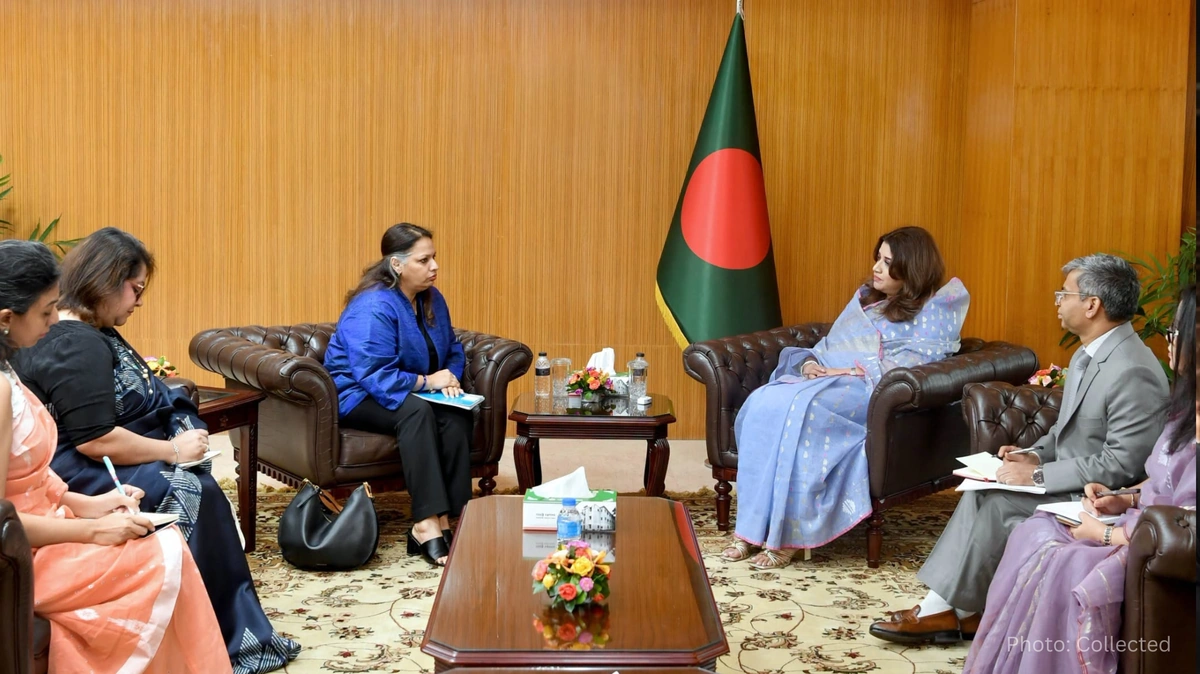
Bangladesh Seeks UN Women Support on Digital Harassment and Women’s Empowerment
-

Bangladesh, Australia Discuss Human Trafficking, Irregular Migration and Rohingya Crisis
-

Bangladesh Plans Internet-Free Access to Mobile Banking and Financial Apps
-

DU to Open Undergraduate Admission Applications on 11 November, Tests Begin 5 December


