Buddhist Traditions in the Chittagong Hill Tracts: Preserving a Rich Heritage of Faith and Culture
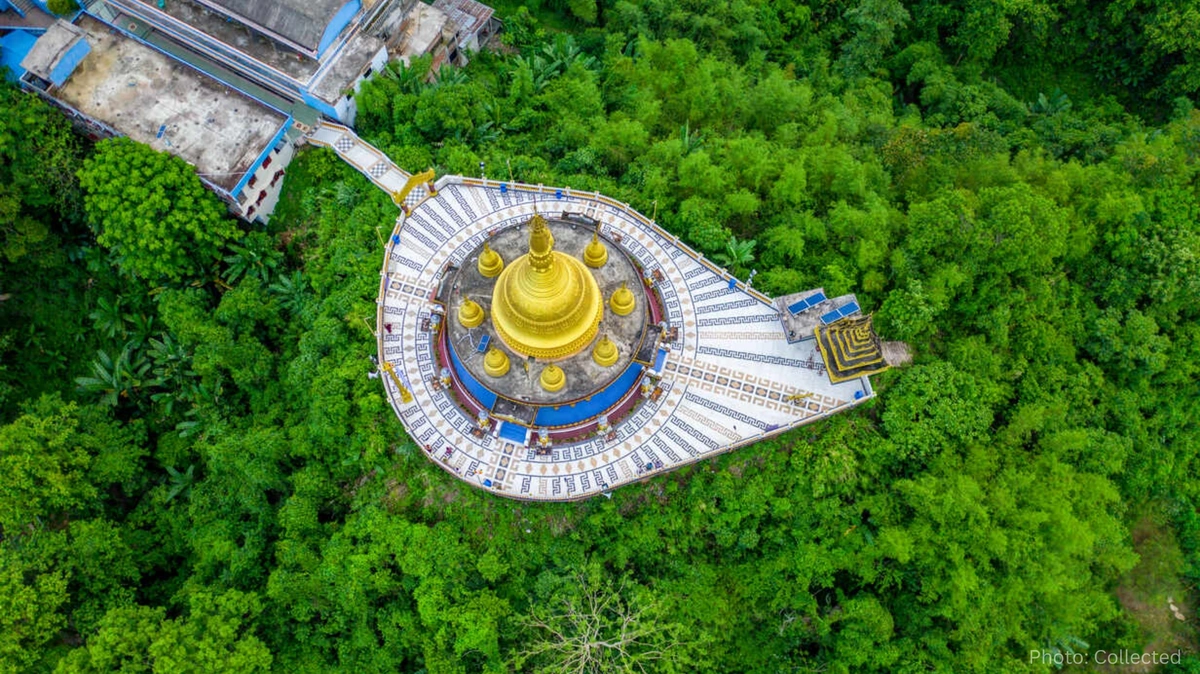
The Chittagong Hill Tracts are home to several indigenous communities where Buddhism has shaped religious practices, cultural identity, and daily life for generations. Through monasteries, traditional festivals, and community customs, Buddhist heritage continues to play an important role in the region's social and cultural landscape.
The Chittagong Hill Tracts (CHT), comprising the districts of Rangamati, Khagrachhari, and Bandarban, are renowned for their rich ethnic diversity and vibrant cultural heritage. Among the region's many traditions, Buddhism occupies a significant place, serving as the spiritual foundation for several indigenous communities whose customs have been preserved for centuries.
Communities including the Chakma, Marma, Tanchangya, and others have maintained Buddhist traditions that influence religious observances, education, family life, and cultural practices. While each community has its own distinctive customs and language, Buddhist teachings remain a common element that promotes values such as compassion, mindfulness, respect, and peaceful coexistence.
Buddhist monasteries, commonly known as viharas, serve as important centers of worship and community life throughout the Hill Tracts. In addition to hosting religious ceremonies, these institutions often provide moral education, preserve traditional literature, and support cultural activities that strengthen community identity. Monks play a respected role by offering religious guidance, leading prayers, and teaching Buddhist philosophy to younger generations.
One of the most widely observed religious occasions in the region is Buddha Purnima, also known as Vesak, which commemorates the birth, enlightenment, and passing of Gautama Buddha. During the festival, devotees visit monasteries to offer flowers, candles, incense, and food to monks while participating in prayers, meditation, and acts of charity. Homes and religious sites are decorated, and families gather to mark the occasion with cultural and religious activities.
Another important celebration is Kathin Chibar Dan, a ceremony during which lay followers present robes and other necessities to Buddhist monks after the annual monastic retreat. The event emphasizes generosity, gratitude, and community cooperation, with local residents often working together to organize religious gatherings and charitable activities.
Traditional customs in the Chittagong Hill Tracts frequently combine religious observances with local cultural heritage. Folk music, dance, handicrafts, weaving, and traditional cuisine remain integral parts of festivals, reflecting the unique identities of the region's indigenous communities while preserving customs passed down through generations.
Meditation and mindfulness are also central elements of Buddhist practice in the Hill Tracts. Many monasteries organize meditation sessions and religious discussions that encourage self-discipline, ethical conduct, and spiritual reflection. These teachings continue to influence daily life by promoting peaceful conflict resolution, respect for nature, and harmonious community relationships.
The natural landscape of the Chittagong Hill Tracts has historically shaped Buddhist traditions as well. Surrounded by forests, hills, rivers, and valleys, many monasteries are situated in tranquil locations that provide an environment conducive to meditation and religious practice. Pilgrims and visitors often travel to these sites to experience both their spiritual significance and scenic beauty.
Tourism has contributed to increased interest in the region's Buddhist heritage. Visitors from different parts of Bangladesh and abroad frequently explore historic monasteries, cultural festivals, and traditional villages to learn more about the customs and lifestyles of indigenous Buddhist communities. Local authorities and tourism stakeholders continue to promote responsible tourism that respects both religious practices and cultural traditions.
Community leaders and researchers emphasize the importance of preserving the region's religious and cultural heritage through education, documentation, and conservation efforts. Initiatives aimed at protecting historic monasteries, supporting traditional artisans, and encouraging younger generations to learn their cultural traditions are viewed as important steps toward safeguarding this unique legacy.
The Constitution of Bangladesh guarantees freedom of religion, allowing Buddhist communities to practice their faith and observe religious festivals. National holidays and official greetings during major Buddhist celebrations also reflect recognition of the country's religious diversity.
As Bangladesh continues to celebrate its multicultural identity, the Buddhist traditions of the Chittagong Hill Tracts remain an important part of the nation's cultural heritage. Through centuries-old religious practices, vibrant festivals, and enduring community values, the region continues to preserve a distinctive spiritual tradition that contributes to the country's rich tapestry of faiths and cultures.
Related News



You may like




Tom Holland Says Marvel Has a Plan for the Next Spider-Man
August 1, 2026
Elected News
-
Bangladesh Seeks UN Women Support on Digital Harassment and Women’s Empowerment
-
Bangladesh, Australia Discuss Human Trafficking, Irregular Migration and Rohingya Crisis
-
Bangladesh Plans Internet-Free Access to Mobile Banking and Financial Apps
-
DU to Open Undergraduate Admission Applications on 11 November, Tests Begin 5 December


