Durga Puja in Bangladesh: A Celebration of Faith, Culture, and Communal Harmony
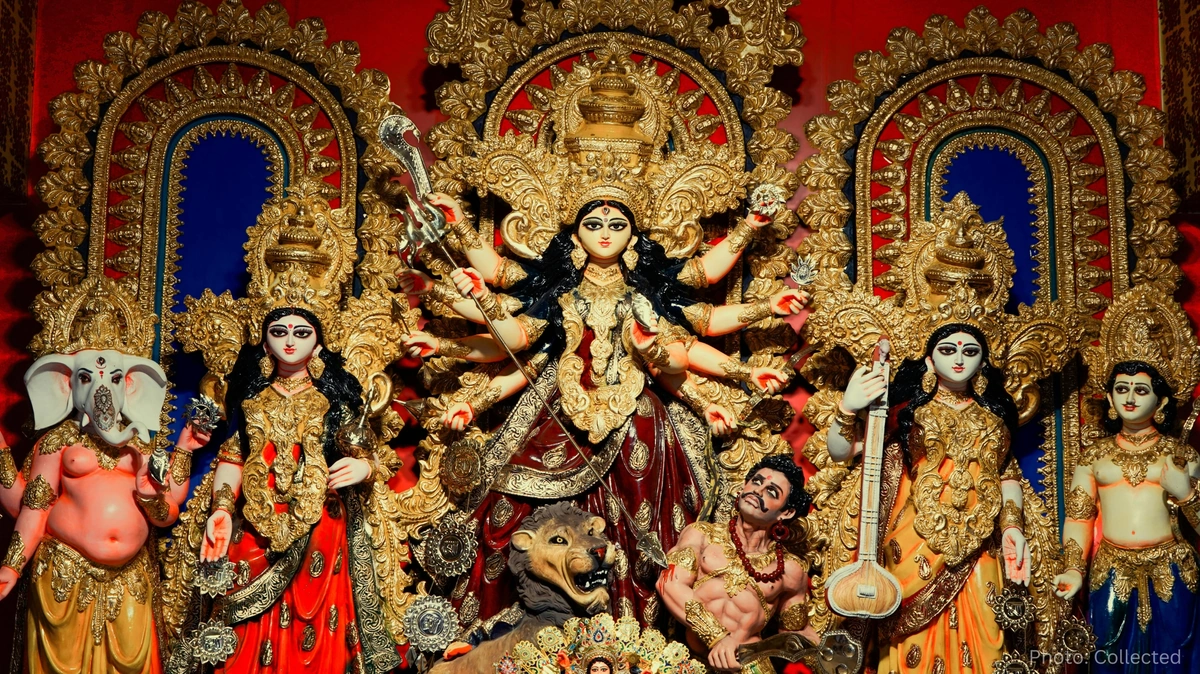
Durga Puja is one of the largest religious festivals celebrated by Bangladesh's Hindu community, blending centuries-old traditions with cultural festivities. Marked by elaborate rituals, artistic craftsmanship, and widespread community participation, the festival also serves as a symbol of the country's religious diversity and social harmony.
Durga Puja, the most significant religious festival for Bangladesh's Hindu community, is celebrated each year with devotion, vibrant cultural traditions, and large public gatherings across the country. Observed over several days, the festival honors Goddess Durga's victory over the demon Mahishasura, symbolizing the triumph of righteousness over evil and the enduring power of justice, courage, and faith.
Across Bangladesh, thousands of temporary worship venues known as puja mandaps are established in cities, towns, and villages. These beautifully decorated venues become the center of religious ceremonies, cultural performances, and community celebrations. Skilled artisans spend months crafting intricate clay idols of Goddess Durga alongside her children Lakshmi, Saraswati, Kartik, and Ganesha using traditional techniques passed down through generations.
The festival traditionally begins with Mahalaya, marking the symbolic arrival of the goddess, followed by the main worship days known as Shashthi, Saptami, Ashtami, Navami, and Dashami. Throughout the celebrations, devotees participate in prayers, recite sacred scriptures, offer flowers and fruits, and perform pushpanjali, a ritual expressing devotion and gratitude.
One of the most anticipated moments is Sindoor Khela, observed on the final day, when married Hindu women apply vermilion to one another while praying for the well-being and longevity of their families. The festival concludes with Bijoya Dashami, during which the idols are immersed in rivers or other water bodies, symbolizing Goddess Durga's return to her heavenly abode and the hope of her return the following year.
Beyond its religious significance, Durga Puja has become a major cultural event in Bangladesh. Families reunite, friends visit puja venues together, and communities organize music, dance, drama, and cultural programs throughout the festival period. Many visitors from different religious backgrounds also attend celebrations, reflecting the country's long-standing tradition of cultural exchange and mutual respect.
The festival generates significant economic activity each year. Local artisans, sculptors, decorators, florists, lighting technicians, clothing retailers, sweet shops, and small businesses benefit from increased demand during the celebration. Markets witness higher consumer spending as families purchase new clothing, gifts, decorations, and traditional foods ahead of the festivities.
Authorities typically implement extensive security measures to ensure peaceful celebrations. Law enforcement agencies coordinate with local administrations, community leaders, and festival organizers to provide security at puja mandaps, manage traffic, and maintain public safety. Volunteers also play an important role in assisting visitors and organizing religious events.
Government officials and political leaders often extend greetings to the Hindu community during Durga Puja, recognizing the festival as an important part of Bangladesh's multicultural identity. Representatives from various faiths frequently exchange goodwill messages, reinforcing the importance of religious tolerance and peaceful coexistence.
Environmental awareness has also become increasingly important during recent celebrations. Many organizers now encourage the use of eco-friendly materials for idol construction and decorations while promoting responsible waste management and environmentally conscious immersion practices to reduce pollution.
Community leaders emphasize that Durga Puja represents more than a religious observance. They describe it as an occasion that strengthens family bonds, preserves cultural heritage, promotes charitable activities, and encourages dialogue among people from different backgrounds. Many puja committees also organize blood donation drives, food distribution programs, and other social initiatives alongside religious ceremonies.
As Bangladesh continues to celebrate its cultural diversity, Durga Puja remains one of the nation's most prominent festivals, bringing together millions of worshippers and visitors each year. Through its blend of spirituality, artistic expression, and community participation, the festival continues to highlight the values of faith, compassion, and harmony that have shaped its enduring place in the country's social and cultural landscape.
Related News


You may like




Tom Holland Says Marvel Has a Plan for the Next Spider-Man
August 1, 2026
Elected News
-
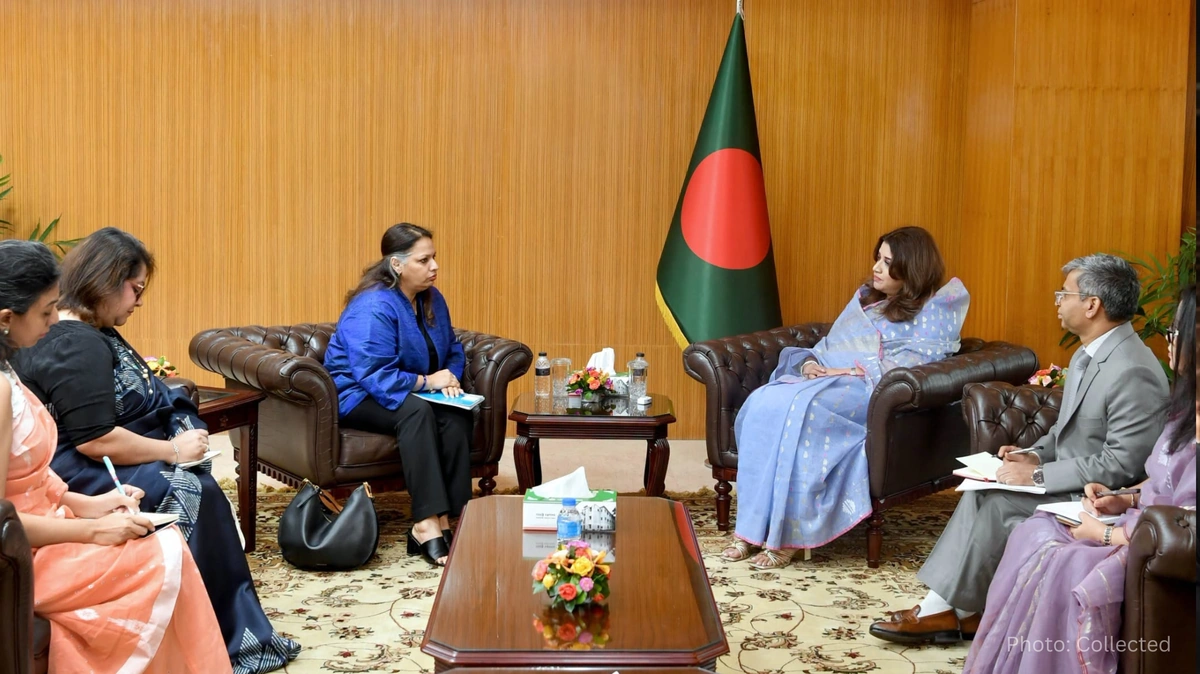
Bangladesh Seeks UN Women Support on Digital Harassment and Women’s Empowerment
-
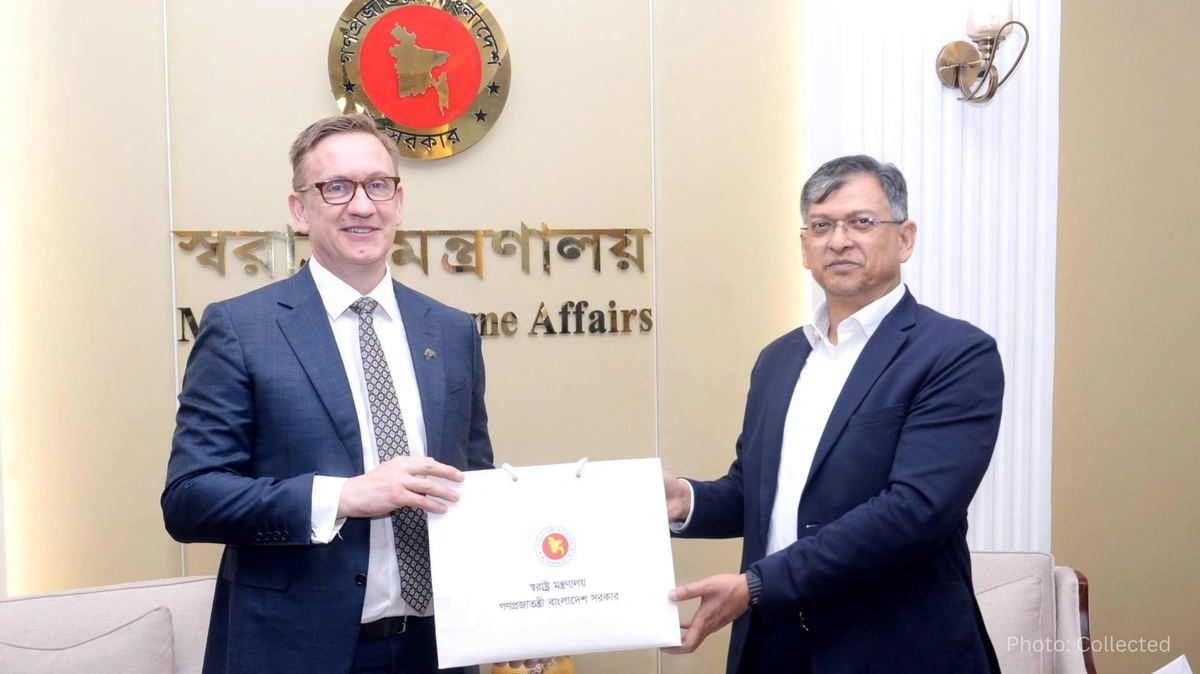
Bangladesh, Australia Discuss Human Trafficking, Irregular Migration and Rohingya Crisis
-
Bangladesh Plans Internet-Free Access to Mobile Banking and Financial Apps
-
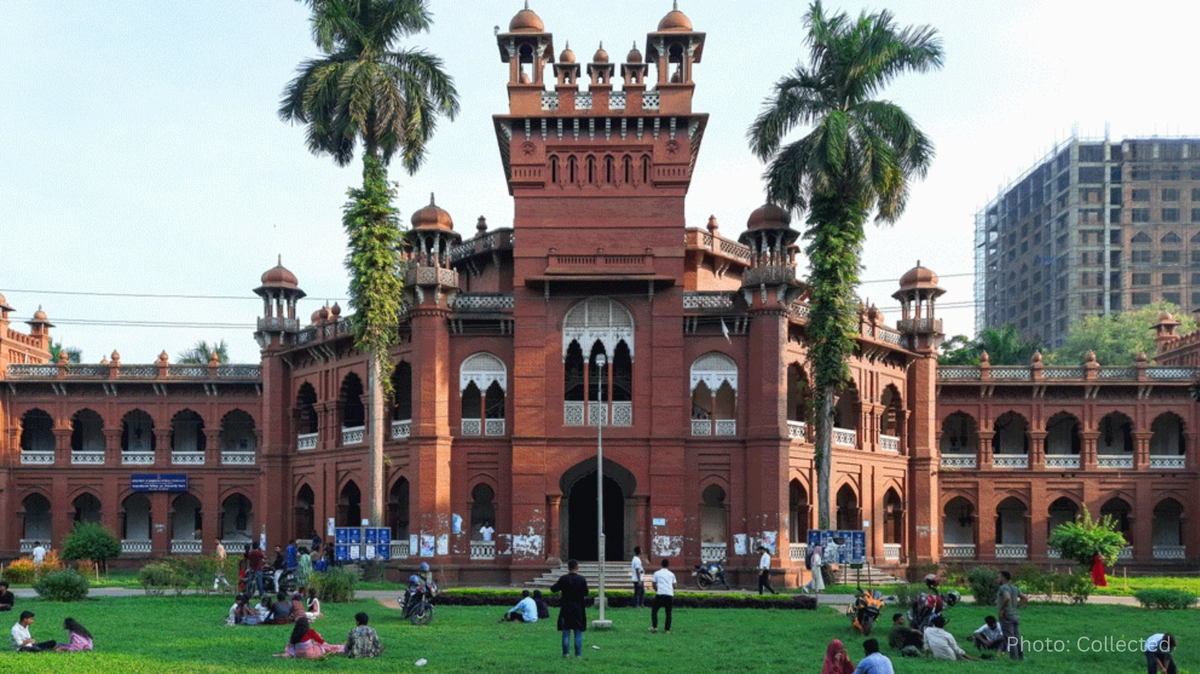
DU to Open Undergraduate Admission Applications on 11 November, Tests Begin 5 December


