Zakat and Charitable Giving in Islam: Understanding the Principles of Wealth, Compassion, and Social Responsibility
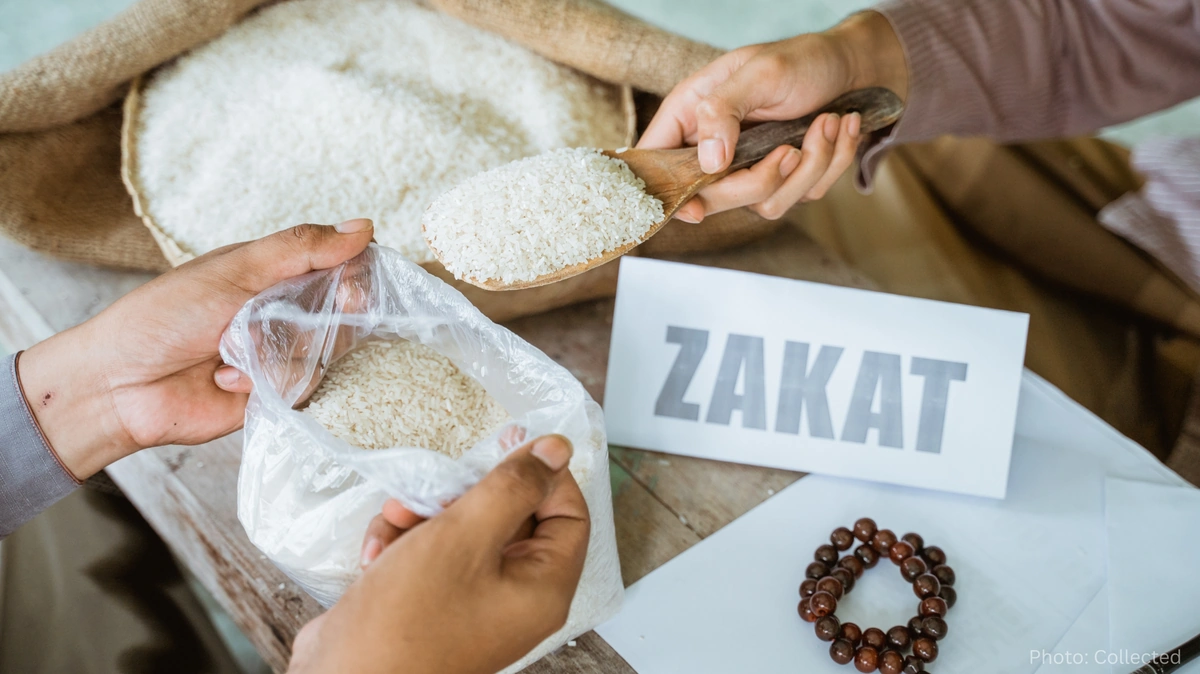
Zakat is one of the five pillars of Islam and serves as a mandatory form of charitable giving for eligible Muslims. Alongside voluntary charity, it plays a central role in promoting social welfare, reducing economic inequality, and strengthening community support through the responsible distribution of wealth.
Charitable giving occupies a central place in Islamic teachings, where financial generosity is regarded not only as a social responsibility but also as an act of worship. Among the various forms of charity prescribed in Islam, Zakat stands as one of the religion's five pillars, requiring eligible Muslims to contribute a fixed portion of their accumulated wealth to those in need.
The word Zakat is derived from an Arabic term meaning purification and growth. Islamic scholars explain that paying Zakat purifies both wealth and the individual's character by encouraging generosity, reducing attachment to material possessions, and fostering concern for the welfare of society.
Unlike voluntary donations, Zakat is an obligatory act of worship for Muslims whose wealth exceeds a minimum threshold, known as Nisab, and has remained above that level for one lunar year. The standard rate for most forms of eligible wealth is 2.5 percent, although specific rules vary depending on the type of assets involved, including agricultural produce, livestock, and certain business holdings.
Eligible assets may include cash savings, gold, silver, investment holdings, trade inventory, and other forms of accumulated wealth, while essential personal belongings such as a primary residence, clothing, household furniture, and personal vehicles are generally not subject to Zakat.
The Quran identifies specific categories of people who may receive Zakat. These include individuals living in poverty, those facing financial hardship, people burdened by debt under qualifying circumstances, stranded travelers, and other recipients defined within Islamic teachings. Scholars emphasize that Zakat must be distributed according to these principles to fulfill its religious purpose.
Beyond its religious obligation, Zakat functions as a mechanism for social justice. By redistributing a portion of wealth from those who have financial means to those facing economic difficulties, the system aims to reduce inequality, alleviate poverty, and strengthen solidarity within society.
In addition to Zakat, Islam strongly encourages Sadaqah, which refers to voluntary charitable giving. Unlike Zakat, Sadaqah has no fixed amount or specific eligibility requirements. Muslims may offer financial assistance, food, clothing, educational support, medical aid, or other forms of help at any time, regardless of their financial status.
Islamic teachings also recognize that charity extends beyond financial contributions. Acts of kindness, offering guidance, helping neighbors, volunteering time, removing hazards from public pathways, and even greeting others with kindness are described in Islamic tradition as forms of charity that contribute positively to society.
Many Muslims choose to increase charitable activities during the month of Ramadan, believing that good deeds performed during the holy month receive greater spiritual reward. Charitable organizations worldwide also experience higher levels of donations during Ramadan as communities organize food distributions, healthcare initiatives, educational programs, and financial assistance for vulnerable families.
Transparency and sincerity remain essential principles in charitable giving. Islamic scholars advise donors to ensure that their wealth has been earned through lawful (halal) means and that donations reach legitimate recipients or trustworthy charitable organizations. Intention is considered fundamental, with acts of charity encouraged to be performed for the sake of Allah rather than public recognition.
The growing use of digital technology has also transformed charitable giving. Many Islamic charities and financial institutions now provide secure online platforms that allow Muslims to calculate Zakat, make donations electronically, and support humanitarian projects both locally and internationally.
Experts note that effective charitable giving can extend beyond immediate financial relief. Supporting education, vocational training, healthcare, clean water projects, orphan care, and sustainable economic development initiatives may help communities achieve long-term stability while remaining consistent with Islamic charitable objectives.
As Muslims continue to observe the principles of Zakat and voluntary charity, these practices remain a cornerstone of Islamic social ethics. By combining financial responsibility with compassion and community support, charitable giving continues to reflect the broader Islamic values of justice, mercy, and shared responsibility for the well-being of society.
Related News



You may like




Tom Holland Says Marvel Has a Plan for the Next Spider-Man
August 1, 2026
Elected News
-
Bangladesh Seeks UN Women Support on Digital Harassment and Women’s Empowerment
-
Bangladesh, Australia Discuss Human Trafficking, Irregular Migration and Rohingya Crisis
-
Bangladesh Plans Internet-Free Access to Mobile Banking and Financial Apps
-
DU to Open Undergraduate Admission Applications on 11 November, Tests Begin 5 December


