The Importance of Jumu'ah Prayer: Understanding Islam's Weekly Congregational Worship
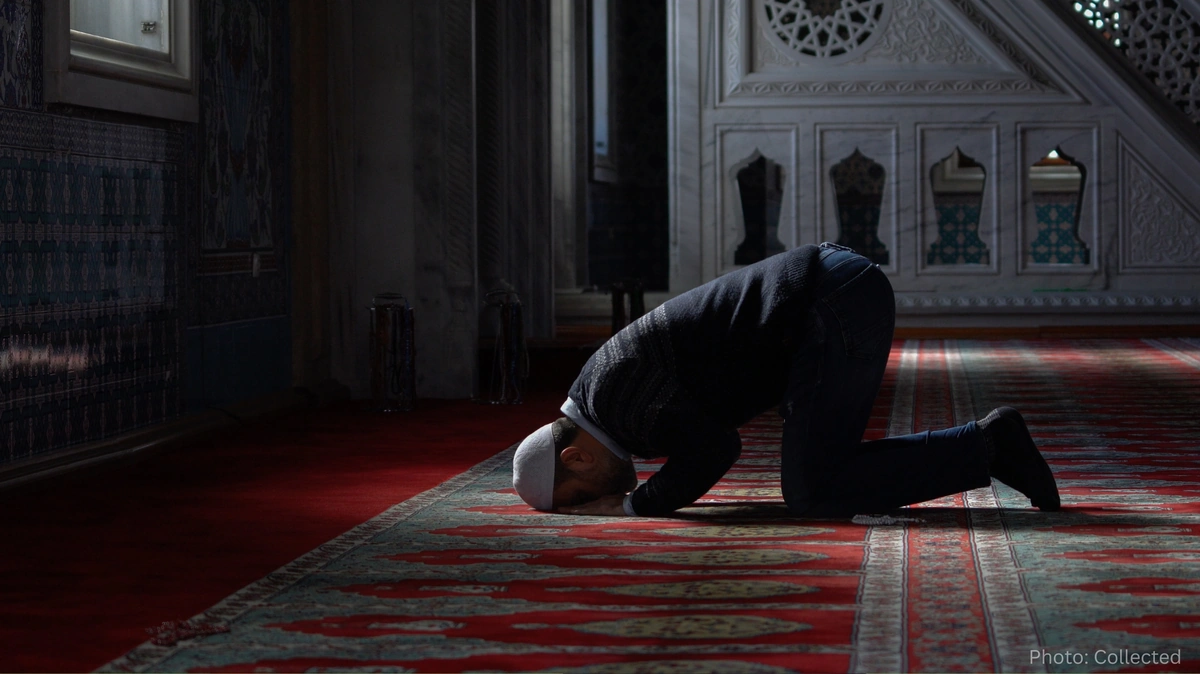
Jumu'ah, the Friday congregational prayer, holds a unique place in Islam as a weekly gathering that combines worship, spiritual reflection, and community unity. For Muslims around the world, it is an opportunity to strengthen faith, listen to religious guidance, and reaffirm their commitment to Islamic values.
Jumu'ah, the Friday congregational prayer, is one of the most significant acts of worship in Islam and occupies a special place in the weekly religious life of Muslims. Observed every Friday in place of the regular Dhuhr prayer, Jumu'ah brings believers together in mosques to perform congregational worship, listen to the Friday sermon, and strengthen their spiritual connection with Allah.
The importance of Jumu'ah is established in the Quran and the Sunnah of Prophet Muhammad (peace be upon him). Islamic scholars describe Friday as the most blessed day of the week, a day distinguished by worship, remembrance of Allah, supplication, and acts of righteousness. The weekly congregation serves not only as a religious obligation for eligible Muslim men but also as an occasion that reinforces unity and brotherhood within the Muslim community.
Before the prayer begins, the imam delivers the Khutbah, or Friday sermon, which is regarded as an essential part of Jumu'ah. The sermon typically addresses religious teachings, moral values, social responsibilities, current community issues, and guidance drawn from the Quran and the Sunnah. Worshippers are encouraged to listen attentively and avoid unnecessary conversation during the sermon as a sign of respect and devotion.
Islamic teachings encourage Muslims to prepare carefully for Friday prayer. Recommended practices include performing Ghusl (ritual bathing), wearing clean and modest clothing, applying perfume for men where appropriate, using the Miswak or maintaining oral hygiene, reciting Surah Al-Kahf, increasing remembrance of Allah, and sending abundant blessings upon Prophet Muhammad (peace be upon him).
Muslims are also encouraged to arrive at the mosque early to engage in voluntary prayers, recite the Quran, and spend time in personal supplication before the Khutbah begins. Many scholars note that arriving early carries additional spiritual reward and allows worshippers to prepare themselves mentally and spiritually for the congregational prayer.
Beyond its religious significance, Jumu'ah plays an important social role. The weekly gathering strengthens relationships among community members, provides opportunities to support those in need, welcome newcomers, and promote cooperation through charitable initiatives and educational activities. In many communities, mosques also organize religious classes, youth programs, and community services around Friday prayers.
Islamic scholars explain that Friday serves as a regular reminder for believers to evaluate their conduct, renew their intentions, and seek forgiveness from Allah. The day encourages Muslims to balance worldly responsibilities with spiritual obligations, reinforcing ethical behavior in personal, family, and professional life.
Special importance is also attached to making du'a (supplication) on Fridays. Authentic Islamic traditions mention that there is a blessed period on Friday during which sincere supplications are accepted by Allah. While scholars differ on the exact timing of this period, many encourage believers to increase remembrance, prayer, and supplication throughout the day, particularly during the final hour before the Maghrib prayer.
Business and daily activities are also addressed in Islamic teachings regarding Friday. The Quran instructs believers to hasten to the remembrance of Allah when the call to Jumu'ah prayer is made and temporarily set aside trade and business. After completing the prayer, Muslims are encouraged to resume their lawful work and seek Allah's blessings through honest livelihood.
Islamic scholars emphasize that while Jumu'ah is obligatory for eligible adult Muslim men under normal circumstances, exemptions exist for those who are ill, traveling, or face other valid reasons recognized under Islamic law. Women are welcome to attend Jumu'ah prayers if they choose, although the obligation does not apply to them in the same way.
As Muslims gather each Friday in mosques across the world, Jumu'ah continues to serve as more than a weekly prayer. It represents a recurring opportunity for worship, education, unity, and spiritual renewal, reminding believers of the enduring values of faith, compassion, justice, and collective responsibility that lie at the heart of Islamic teachings.
Related News





You may like




Tom Holland Says Marvel Has a Plan for the Next Spider-Man
August 1, 2026
Elected News
-
Bangladesh Seeks UN Women Support on Digital Harassment and Women’s Empowerment
-
Bangladesh, Australia Discuss Human Trafficking, Irregular Migration and Rohingya Crisis
-
Bangladesh Plans Internet-Free Access to Mobile Banking and Financial Apps
-
DU to Open Undergraduate Admission Applications on 11 November, Tests Begin 5 December


