Islamic Personal Finance and Halal Banking: A Practical Guide to Managing Money According to Shariah
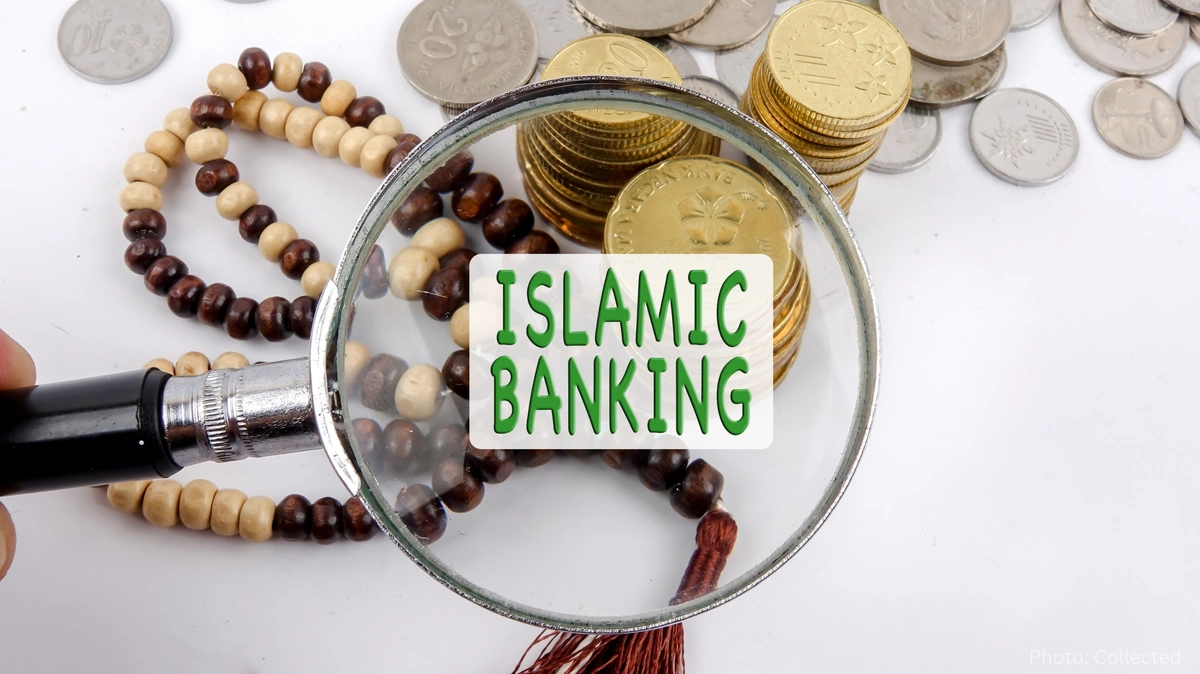
Islamic personal finance is built on ethical investing, responsible spending, and interest-free financial transactions. From halal banking and savings to home financing and investments, Shariah-compliant financial principles offer Muslims a framework for managing wealth while adhering to Islamic values.
As Islamic finance continues to expand across global markets, more Muslims are seeking financial products and services that align with the principles of Shariah. Islamic personal finance is not simply about avoiding interest it represents a comprehensive financial system rooted in fairness, transparency, ethical business practices, and social responsibility.
At the heart of Islamic finance is the prohibition of riba (interest or usury), which is considered impermissible under Islamic law. Instead of earning guaranteed returns through lending, Islamic financial institutions structure transactions around real economic activity, shared risk, and asset-backed financing.
Halal banking differs significantly from conventional banking. Rather than charging or paying interest, Islamic banks generate income through trade, leasing, partnerships, and profit-sharing arrangements. Customers can access many familiar banking services including savings accounts, home financing, business financing, and investment opportunities while ensuring transactions comply with Shariah principles.
One of the most common Islamic financing models is Murabaha, where the bank purchases an asset requested by the customer and sells it at an agreed profit margin, with payment made over time. Another widely used structure is Musharakah, a partnership model in which both the customer and the financial institution jointly invest in an asset while sharing profits and risks.
For individuals looking to build savings, Islamic financial institutions offer Shariah-compliant savings and investment accounts that avoid fixed interest payments. Instead, returns are generated from profits earned through investments in permissible businesses and commercial activities.
Ethical investment also plays a central role in Islamic personal finance. Investors are encouraged to place their money only in businesses that operate within Islamic guidelines. Companies involved in alcohol production, gambling, conventional financial services based on interest, tobacco, pornography, or other prohibited industries are generally excluded from halal investment portfolios.
Financial discipline is another fundamental principle. Islamic teachings encourage Muslims to live within their means, avoid unnecessary debt, and practice moderation in spending. Extravagance and wastefulness are discouraged, while careful budgeting and responsible financial planning are viewed as acts of stewardship over the wealth entrusted by Allah.
Charitable giving forms an essential component of Islamic financial management. Eligible Muslims are required to pay Zakat, one of Islam's Five Pillars, while voluntary charity (Sadaqah) is strongly encouraged. These mechanisms help redistribute wealth, support vulnerable communities, and promote social justice.
Experts also emphasize the importance of emergency savings and long-term financial planning. Building a financial safety net, preparing for education expenses, healthcare needs, retirement, and family obligations can all be achieved through Shariah-compliant savings and investment strategies without compromising religious values.
The rapid growth of Islamic finance has also led to increased availability of halal banking services in many countries. Today, Islamic banks offer digital banking platforms, debit cards, home financing, SME financing, takaful (Islamic insurance), and investment products designed to meet modern financial needs while remaining compliant with Islamic principles.
Industry analysts note that demand for Islamic financial services continues to grow beyond Muslim-majority countries. Ethical investing, transparency, and risk-sharing models have attracted interest from consumers seeking alternatives to conventional finance, regardless of religious background.
However, scholars advise individuals to carefully review financial products before making decisions, as not every product marketed as "Islamic" necessarily follows identical Shariah standards. Consulting qualified Islamic scholars or certified Shariah advisors is recommended when evaluating complex financial products or investment opportunities.
Ultimately, Islamic personal finance extends beyond banking. It encourages earning wealth through lawful means, spending responsibly, investing ethically, fulfilling charitable obligations, and managing financial resources with integrity. For many Muslims, these principles provide not only financial guidance but also a framework for balancing material success with spiritual accountability.
Related News




You may like




Tom Holland Says Marvel Has a Plan for the Next Spider-Man
August 1, 2026
Elected News
-
Bangladesh Seeks UN Women Support on Digital Harassment and Women’s Empowerment
-
Bangladesh, Australia Discuss Human Trafficking, Irregular Migration and Rohingya Crisis
-
Bangladesh Plans Internet-Free Access to Mobile Banking and Financial Apps
-
DU to Open Undergraduate Admission Applications on 11 November, Tests Begin 5 December


